Hypnotherapy offers a uniquely effective approach to bullying recovery by accessing the subconscious mind where traumatic memories and negative self-beliefs are stored. Unlike traditional talk therapies that work primarily at the conscious level, hypnotherapy allows young people to process and reframe their bullying experiences at the deepest psychological level.
The mechanism of action involves inducing a relaxed, focused state of consciousness where the mind becomes more receptive to positive suggestions and therapeutic interventions. In this state, children and teens can safely revisit traumatic experiences, reprocess them in a healthier way, and install new, empowering beliefs about themselves and their capabilities.
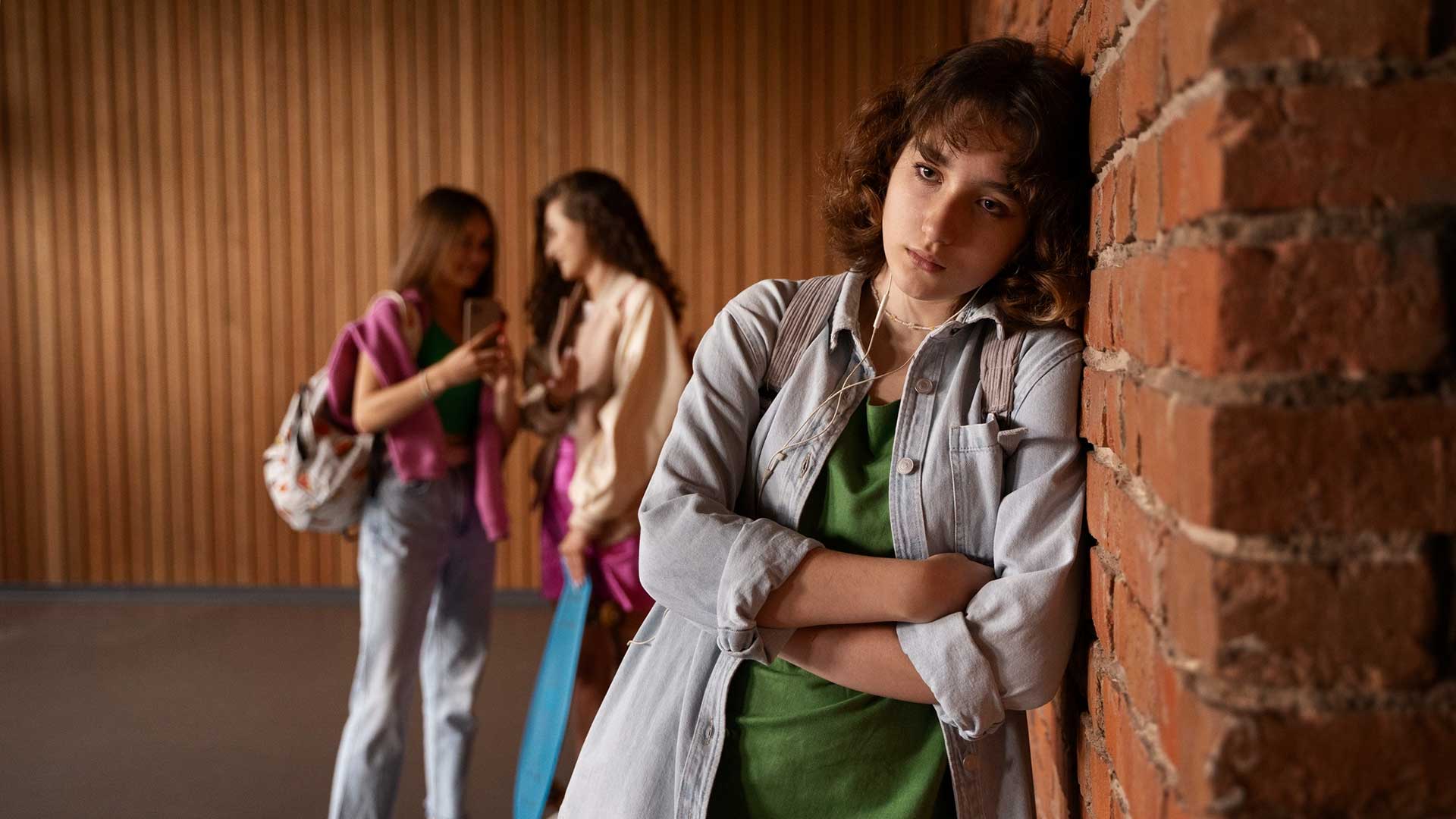
Hypnotherapy works particularly well for bullying recovery because it addresses the core psychological impacts of bullying. When children are bullied, their subconscious mind often internalises negative messages about their worth, safety, and place in the world. These limiting beliefs can persist long after the bullying stops, affecting their confidence and relationships. Hypnotherapy directly challenges and replaces these negative programmes with positive, empowering beliefs.
The neurological basis of hypnotherapy's effectiveness lies in its ability to facilitate neuroplasticity – the brain's capacity to form new neural pathways. During hypnosis, the brain's default mode network becomes more flexible, allowing for the formation of new, healthier thought patterns and emotional responses. This is particularly beneficial for young people whose brains are still developing and therefore more responsive to positive change.
Research has shown that hypnotherapy can significantly reduce symptoms of post-traumatic stress, anxiety, and depression whilst simultaneously building resilience and self-confidence. The approach is especially effective because it works with the child's natural imaginative abilities, making the therapeutic process engaging and empowering rather than re-traumatising.
Furthermore, hypnotherapy teaches valuable self-regulation skills that children can use long after treatment ends. These include relaxation techniques, confidence-building visualisations, and mental strategies for handling challenging social situations. This equips young people with lifelong tools for maintaining psychological well-being and resilience.