



Fertility Support
Evidence-based hypnotherapy to support fertility journeys, reduce conception stress, and improve reproductive outcomes through mind-body techniques.


Hypnotherapy for women's health addresses hormonal transitions, reproductive concerns, stress-related symptoms, and emotional wellbeing throughout different life stages using evidence-based mind-body techniques.
Explore our evidence-based treatments and holistic therapies designed for Women's Health.
Evidence-based hypnotherapy to support fertility journeys, reduce conception stress, and improve reproductive outcomes through mind-body techniques.
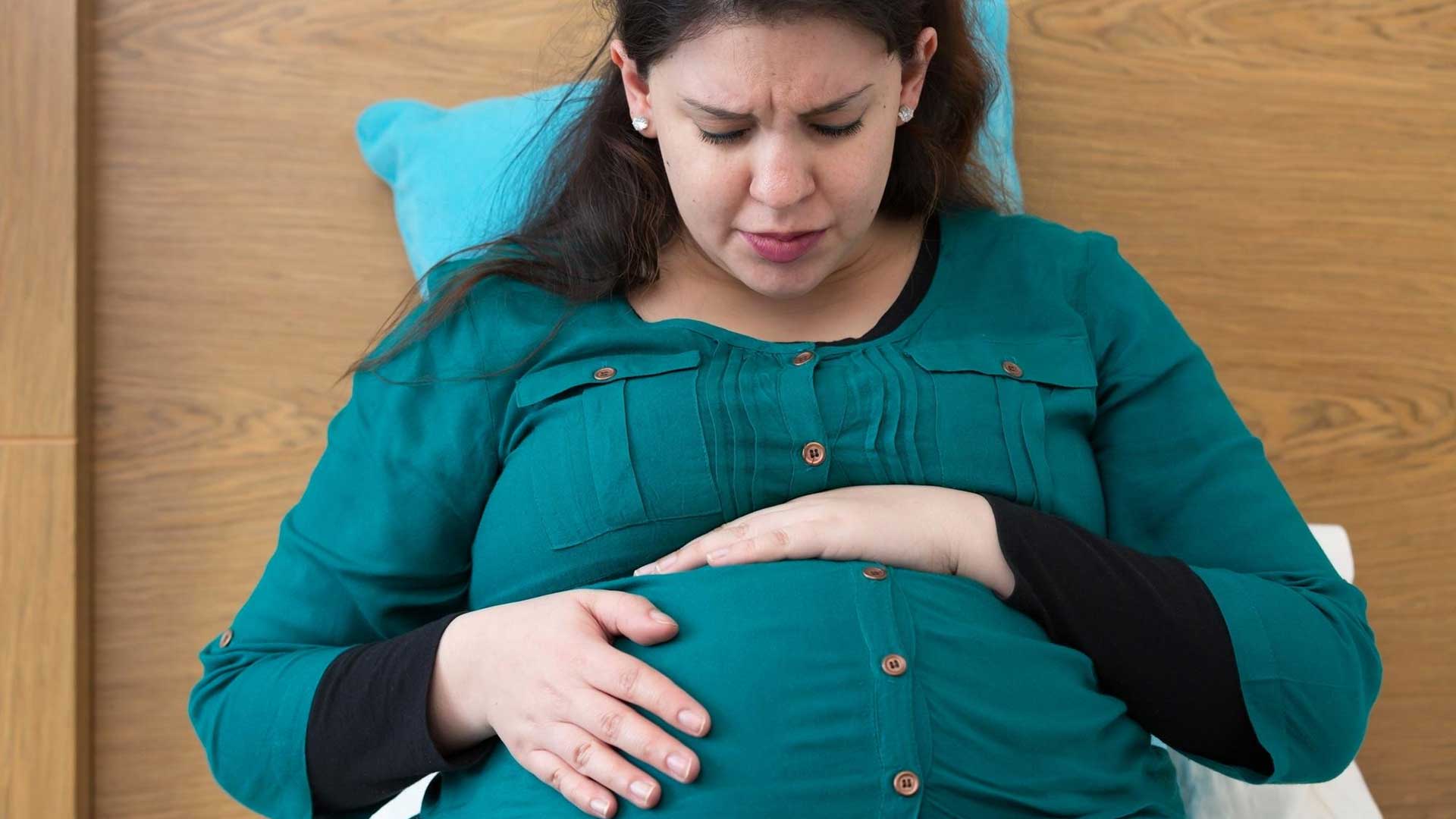
Severe pregnancy-related nausea and vomiting that can lead to dehydration, weight loss, and hospitalization, affecting up to 3% of pregnant women.

Evidence-based childbirth preparation technique using hypnotherapy to reduce pain and anxiety during labour, promoting a calm, positive birthing experience.

Functional bowel disorder causing chronic abdominal pain, bloating, and altered bowel habits. Hypnotherapy provides effective symptom management.

Clinical hypnotherapy provides effective relief for menopause symptoms including hot flashes, night sweats, mood changes and sleep disturbances through evidence-based therapeutic techniques.

Evidence-based hypnotherapy for sustainable weight management. Overcome emotional eating patterns and develop healthy habits through clinical treatment.
Women's health encompasses the unique physical, hormonal, and emotional changes women experience throughout their lives—from menstruation and fertility to pregnancy, perimenopause, and postmenopause. Unlike general medical care, women's health recognises that hormonal fluctuations create distinct health challenges that require specialised approaches addressing both body and mind.
Hypnotherapy has emerged as a powerful, evidence-based treatment for women's health concerns because it works with the fundamental mind-body connection that governs hormonal responses. Research from the North American Menopause Society and published in the journal Menopause demonstrates that hypnotherapy produces clinically significant improvements in menopause symptoms, with women reporting 74% reductions in hot flash frequency and 80% reductions in hot flash interference with daily life.
The connection between hypnotherapy and women's health is rooted in understanding how stress hormones interact with reproductive hormones. When your body is under stress, it releases cortisol and adrenaline, which can disrupt the delicate balance of estrogen, progesterone, and other hormones that regulate menstrual cycles, fertility, pregnancy, and menopausal transitions. Chronic stress exacerbates PMS symptoms, triggers more frequent hot flashes, disrupts sleep, affects mood stability, and can even impact fertility.
Hypnotherapy works by calming the nervous system and regulating the stress response, which in turn allows your body's natural hormonal systems to function more effectively. During hypnosis, brain activity shifts from the alert beta state to the calmer alpha and theta states, triggering the parasympathetic "rest and digest" nervous system. This neurological shift reduces cortisol production, lowers inflammation, and helps restore hormonal balance.
What makes hypnotherapy particularly valuable for women's health is its safety profile and versatility. Unlike many medications, hypnotherapy has no side effects, doesn't interact with other treatments, and can be safely used during pregnancy and menopause when many pharmaceutical options are contraindicated. It addresses multiple symptoms simultaneously—reducing physical discomfort, stabilising emotions, improving sleep, and enhancing overall quality of life.
Women's health hypnotherapy is not about "mind over matter" or dismissing real physical symptoms. Instead, it recognises that your mind and body form an integrated system where psychological and physical processes constantly influence each other. By working with this mind-body connection, hypnotherapy offers a pathway to symptom relief that complements conventional medical care while empowering you to participate actively in your own wellbeing.
Hypnotherapy effectively addresses a wide range of women's health concerns across different life stages, with particularly strong evidence for hormonal transition symptoms and stress-related conditions.
Menopause and Perimenopause Symptoms:
Premenstrual Syndrome (PMS) and PMDD:
Fertility and Conception Support:
Pregnancy-Related Concerns:
Postpartum Support:
Other Women's Health Concerns:
The common thread connecting these conditions is the powerful influence of the stress response on hormonal systems and the proven ability of hypnotherapy to regulate that stress response effectively.
Hypnotherapy addresses women's health concerns through multiple interconnected mechanisms that work together to create comprehensive symptom relief and improved quality of life.
The Stress-Hormone Connection:
The foundation of hypnotherapy's effectiveness for women's health lies in understanding the hypothalamic-pituitary-adrenal (HPA) axis—your body's stress response system. When activated by stress, worry, or anxiety, the HPA axis releases cortisol and other stress hormones that directly interfere with reproductive hormones. Elevated cortisol can worsen PMS symptoms, trigger hot flashes, disrupt menstrual cycles, impair fertility, and intensify menopausal symptoms.
Hypnotherapy produces a deep state of relaxation that deactivates the stress response and activates the parasympathetic nervous system. Neuroimaging studies show that during hypnosis, activity in the anterior cingulate cortex increases (improving emotional regulation) while activity in the amygdala decreases (reducing anxiety and fear responses). This neurological shift allows your reproductive hormones to function more effectively without constant stress hormone interference.
Temperature Regulation for Hot Flashes:
For menopause symptoms, hypnotherapy works specifically with the hypothalamus—your body's temperature control centre. Research by Dr. Gary Elkins at Baylor University demonstrated that hypnotherapy can modify how the hypothalamus responds to hormonal fluctuations. During hypnotic trance, women learn to influence their body's temperature regulation through suggestions for coolness, calmness, and control. Brain imaging confirms that this creates measurable changes in the neural pathways involved in temperature perception and regulation.
Pain Modulation:
For menstrual cramping, pelvic pain, or pregnancy-related discomfort, hypnotherapy leverages the brain's natural pain control systems. Hypnosis activates the descending pain modulatory system, releasing endorphins and other natural pain-relieving substances while reducing pain signal transmission. Women learn self-hypnosis techniques to manage discomfort naturally without medication.
Cognitive Restructuring:
Many women's health symptoms are intensified by negative thought patterns and anxiety about symptoms. The anticipation of a hot flash, the worry about PMS affecting relationships, or the stress about fertility all activate the stress response, which worsens the very symptoms you're worried about. Hypnotherapy interrupts this cycle by accessing the subconscious mind where these automatic thoughts originate, replacing worry patterns with calm, confident responses.
Mind-Body Communication:
Hypnotherapy creates a focused communication pathway between your conscious intentions and unconscious bodily processes. While you can't consciously control hormone release or temperature regulation, hypnosis creates a bridge that allows suggestions to influence these autonomic processes. This is why imagery of coolness can reduce hot flash frequency, why relaxation techniques can ease menstrual cramping, and why stress reduction can improve fertility outcomes.
Neuroplasticity and Lasting Change:
Regular hypnotherapy sessions create lasting neurological changes through neuroplasticity—your brain's ability to form new neural pathways. Each session strengthens the connection between relaxation states and symptom relief, making it progressively easier to achieve calm and comfort. Over time, your nervous system literally rewires itself to respond more calmly to hormonal fluctuations, creating improvements that persist well beyond the active treatment period.
The evidence supporting hypnotherapy for women's health has grown substantially over the past two decades, with rigorous clinical trials demonstrating significant benefits across multiple conditions.
Menopause and Hot Flashes:
The most robust evidence exists for hypnotherapy treatment of menopausal hot flashes. A landmark randomised controlled trial by Elkins et al. (2013), published in the journal Menopause, enrolled 187 postmenopausal women experiencing frequent hot flashes. The hypnotherapy group received five weekly hypnosis sessions focused on mental imagery for coolness and relaxation. Results showed that hypnotherapy reduced hot flash frequency by 74% and reduced hot flash severity scores by 80% compared to the control group. These improvements were maintained at 12-week follow-up.
A follow-up neuroimaging study by the same research team, published in Climacteric (2014), used functional MRI to examine brain activity changes. Women who received hypnotherapy showed decreased activity in the insula (involved in temperature sensation) and increased activity in the anterior cingulate cortex (involved in emotional regulation) during hot flash experiences. This neurological evidence confirms that hypnotherapy creates measurable brain changes that translate to symptom relief.
A comprehensive systematic review by Booth-LaForce et al. (2020) in Maturitas analysed eight randomised controlled trials involving over 500 women and concluded that clinical hypnosis is an effective, evidence-based treatment for vasomotor symptoms with effect sizes comparable to hormone replacement therapy but without any side effects.
PMS and Emotional Symptoms:
Research by Habibollahpour et al. (2018), published in the International Journal of Clinical and Experimental Hypnosis, examined hypnotherapy for premenstrual syndrome in 60 women. After eight weekly hypnotherapy sessions, participants showed significant reductions in PMS symptoms across physical, emotional, and behavioural domains. The physical symptom score decreased by 43%, while emotional symptoms (anxiety, irritability, depression) decreased by 51%. Quality of life scores improved by 38% and were maintained at three-month follow-up.
Pregnancy and Childbirth:
A systematic review by Madden et al. (2016) in BMJ Open analysed nine randomised controlled trials of hypnosis for pregnancy and childbirth, involving 2,954 women. The analysis found that hypnosis significantly reduced the use of pain medication during labour (with an average 30% reduction), shortened the first stage of labour, and reduced anxiety throughout pregnancy. Women using hypnosis reported higher satisfaction with their birth experience and lower rates of postnatal depression.
For pregnancy-related nausea, a randomised controlled trial by Ezzo et al. (2006) published in Journal of Alternative and Complementary Medicine showed that hypnotherapy reduced nausea severity by 40% and vomiting episodes by 53% compared to standard care alone.
Fertility and Conception:
While direct evidence for hypnotherapy improving conception rates is limited, research demonstrates its effectiveness for the stress and anxiety that can impair fertility. A study by Domar et al. (2011) in Fertility and Sterility showed that mind-body interventions including hypnosis reduced psychological distress by 42% in women undergoing IVF treatment. Importantly, women in the mind-body group had significantly higher pregnancy rates (55% versus 20% in controls), though this smaller study requires replication.
Mechanism Studies:
Research into the biological mechanisms explains why hypnotherapy works for women's health. A study by Kiecolt-Glaser et al. (2007) published in Psychoneuroendocrinology demonstrated that regular relaxation and hypnosis practice significantly reduced cortisol levels and improved immune function markers. Since elevated cortisol disrupts reproductive hormone balance, this mechanism directly explains why hypnotherapy improves hormonal symptoms.
Australian Context:
The Jean Hailes for Women's Health organisation, Australia's leading women's health research and education body, recognises hypnotherapy as an evidence-based complementary therapy for menopause symptoms. Their 2021 clinical guidelines note that "clinical hypnosis has been shown to reduce hot flashes and is a suitable option for women who cannot or choose not to use hormone therapy."
Understanding what to expect from hypnotherapy for women's health helps you approach treatment with realistic expectations and maximises your likelihood of success.
Initial Consultation and Assessment:
Your first session typically lasts 60-90 minutes and focuses on comprehensive assessment of your symptoms, health history, and treatment goals. Your hypnotherapist will ask about your menstrual history, reproductive health, current symptoms, previous treatments tried, and how symptoms impact your daily life. This thorough assessment ensures treatment is tailored to your specific needs and symptom patterns.
For menopause symptoms, you'll likely be asked to track hot flash frequency and severity for a week before and throughout treatment. For PMS, tracking symptoms across your menstrual cycle helps identify patterns and measure improvement. This data collection isn't busywork—it provides objective measures of your progress and helps fine-tune treatment approaches.
The Hypnotherapy Experience:
Hypnotherapy sessions create a deeply relaxed yet fully aware state. You'll be guided into hypnosis through progressive relaxation, focusing techniques, or imagery. Once in this calm, focused state, your hypnotherapist provides suggestions specifically designed for your women's health concerns. For hot flashes, this might include imagery of coolness, calm, and comfort. For PMS, suggestions might target emotional stability, physical comfort, and hormonal balance.
You remain in complete control throughout the session—you can hear everything said, you're not asleep, and you can emerge from hypnosis at any time. Most women describe the experience as similar to deep meditation or the drowsy state just before falling asleep, but with heightened focus and awareness.
Learning Self-Hypnosis:
A crucial component of women's health hypnotherapy is learning self-hypnosis techniques you can use independently. After 1-2 sessions, you'll be taught simple methods to enter a hypnotic state yourself and apply symptom-relief techniques. For hot flashes, you might practice a "coolness breath" technique at the first sensation of a flash beginning. For PMS, you might use a daily 10-minute relaxation practice in the week before your period.
Most programs provide audio recordings of hypnosis sessions to practice at home daily. This home practice is essential—research shows that women who practice self-hypnosis daily experience 2-3 times greater symptom improvement than those who only attend in-person sessions.
Timeline and Number of Sessions:
The treatment duration varies by condition:
What Improvements to Expect:
Most women notice initial improvements within 2-3 weeks of beginning treatment. For hot flashes, you might first notice that flashes feel less intense or concerning even if frequency hasn't changed yet. For PMS, early improvements often include better sleep and reduced anxiety, with physical symptoms improving over subsequent cycles.
By 6-8 weeks, significant improvements typically include:
Maintenance and Long-term Benefits:
Research demonstrates that improvements are maintained long-term with ongoing self-hypnosis practice. In the Elkins et al. study, women maintained their 74% reduction in hot flashes at both 12-week and 6-month follow-ups. Many women continue using self-hypnosis techniques even after symptoms have significantly improved, finding they support overall stress management and wellbeing.
Some women return for "booster sessions" every few months to reinforce techniques or address new symptoms as their hormonal status changes. This flexible, individualised approach allows you to get support when needed while developing independent symptom management skills.
Beginning hypnotherapy for women's health concerns is straightforward, and taking the first step can lead to significant improvements in your symptoms and quality of life.
Is Hypnotherapy Right for You?
Hypnotherapy may be an excellent option if you:
Hypnotherapy can be used as a standalone treatment or complementary therapy alongside conventional medical care. Many women use hypnotherapy while taking hormone therapy, finding that it enhances symptom relief and may allow lower medication doses. Always inform your hypnotherapist about all treatments you're receiving.
Finding a Qualified Hypnotherapist:
When seeking hypnotherapy for women's health, look for practitioners who:
Preparing for Your First Session:
To get the most from your initial consultation:
What Information to Provide:
During your initial consultation, be prepared to discuss:
Practical Considerations:
Maximising Your Success:
Research shows that success with hypnotherapy is strongly linked to:
Women who commit to the full treatment protocol and practice self-hypnosis daily typically experience the most substantial and lasting improvements.
When to Seek Additional Medical Care:
While hypnotherapy is highly effective for many women's health symptoms, it's important to maintain regular medical care. See your doctor if you experience:
Hypnotherapy works best as part of a comprehensive approach to women's health that includes regular medical check-ups, healthy lifestyle choices, and appropriate medical treatments when needed.
Hypnotherapy addresses women's health concerns by working with the mind-body connection to regulate hormonal responses, reduce stress-related symptoms, and manage emotional fluctuations. It's particularly effective for menopause symptoms (hot flashes, night sweats), PMS, fertility stress, pregnancy anxiety, and emotional wellbeing throughout hormonal transitions. Research shows hypnotherapy can reduce hot flashes by up to 74% and significantly improve quality of life during hormonal changes.
Hypnotherapy has strong evidence for treating menopause symptoms (particularly hot flashes and sleep disturbances), PMS and PMDD, fertility-related anxiety, pregnancy-related stress and morning sickness, postpartum emotional adjustment, and chronic pelvic pain. It's also effective for managing stress-related hormonal imbalances, body image concerns, and emotional eating patterns that commonly affect women.
Yes, hypnotherapy is completely safe and non-invasive, making it an ideal treatment option during pregnancy and menopause when many medications are contraindicated or produce unwanted side effects. It works by helping your body's natural regulatory systems function optimally without introducing external substances. Many women choose hypnotherapy specifically because it offers effective symptom relief without hormonal medications or drugs.
The number of sessions varies by condition. For menopause symptoms, a structured 6-8 week program typically shows significant results, with many women reporting 50-80% reduction in hot flashes. For PMS, 4-6 sessions often produce noticeable improvements. Fertility stress and pregnancy support may involve 3-8 sessions depending on individual needs. Initial improvements are often noticed within 2-3 sessions, with optimal results developing over the full treatment course.
While hypnotherapy doesn't directly alter hormone levels, it significantly influences how your body responds to hormonal fluctuations by regulating the stress response system. Since stress hormones like cortisol can disrupt reproductive hormones, hypnotherapy's proven ability to reduce stress helps create better hormonal balance. Many women report more regular cycles, reduced PMS symptoms, and easier hormonal transitions when stress is properly managed through hypnotherapy.
Book a free consultation to discuss how women's health can help you.