What is Hyperemesis Gravidarum?

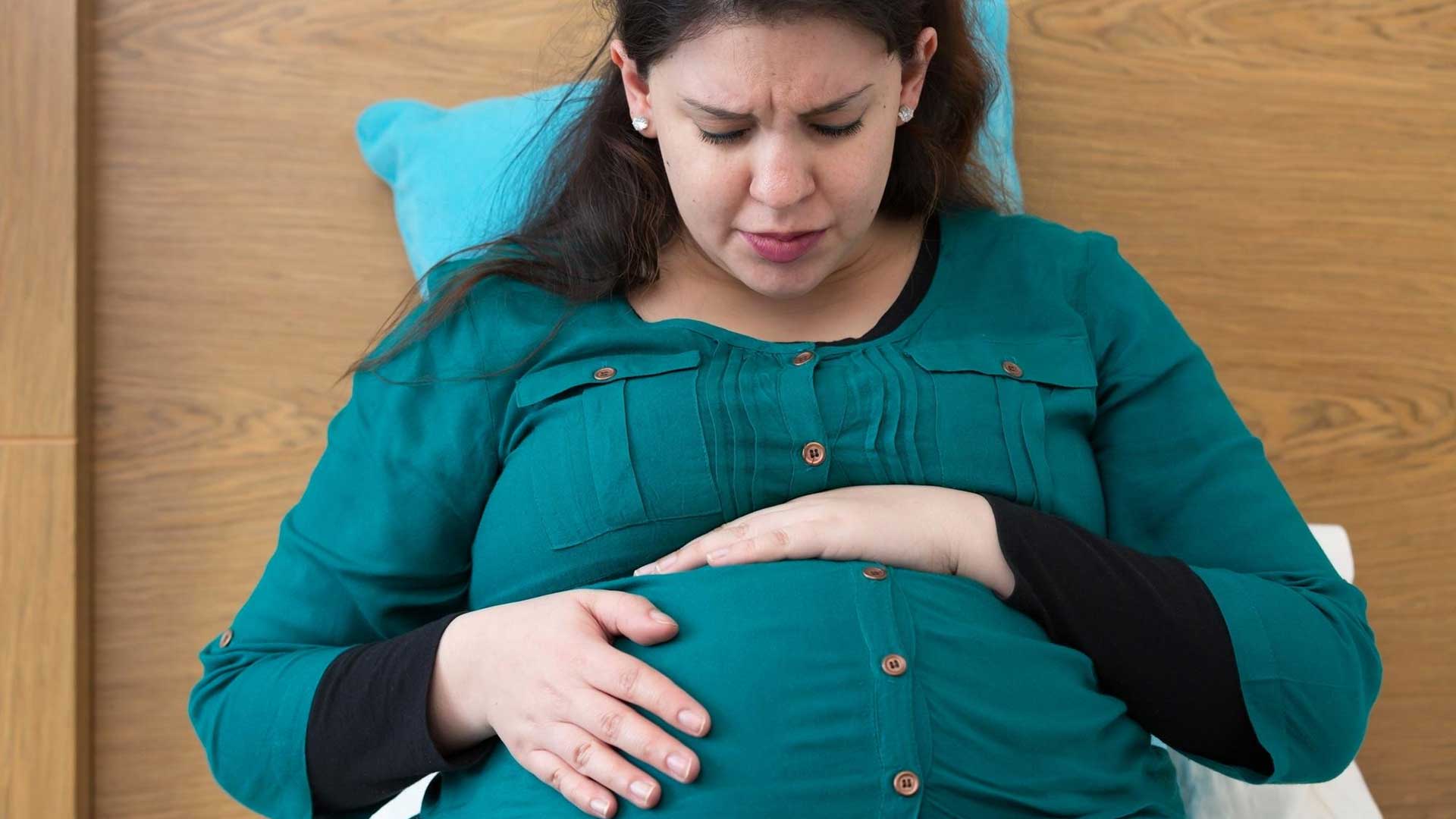
Hyperemesis gravidarum is a severe form of pregnancy-related nausea and vomiting that goes far beyond typical morning sickness. This debilitating condition affects approximately 1-3% of pregnant women and is characterised by persistent, excessive vomiting that leads to dehydration, electrolyte imbalances, and significant weight loss of more than 5% of pre-pregnancy body weight.

Unlike ordinary morning sickness, which typically resolves by the end of the first trimester, hyperemesis gravidarum can persist throughout the entire pregnancy and often requires medical intervention, including hospitalisation for intravenous fluid replacement and nutritional support. The condition can have profound physical and emotional impacts on expectant mothers, affecting their ability to work, care for family members, and maintain their quality of life.

Prevalence Statistics in Australia:

  • Overall prevalence: 1-3% of pregnant women experience hyperemesis gravidarum, according to the Australian Institute of Health and Welfare
  • Youth prevalence: Higher rates occur in first pregnancies and younger mothers, as reported by RANZCOG
  • Growing trend: 15% increase in hospital admissions for hyperemesis gravidarum over the past decade, based on Australian Bureau of Statistics data
  • Common triggers: Multiple pregnancies carry 50% higher risk, family history increases risk by 40%, and first pregnancies account for 60% of cases

The exact cause of hyperemesis gravidarum remains unclear, though research suggests it may be related to rapidly rising hormone levels, particularly human chorionic gonadotropin (hCG) and oestrogen. Risk factors include carrying multiple babies, having a family history of the condition, being pregnant for the first time, and having a history of motion sickness or migraines.

Symptoms and Signs

Hyperemesis gravidarum presents with a constellation of symptoms that significantly exceed normal pregnancy-related nausea and vomiting. Recognition of these symptoms is crucial for early intervention and proper management.

Physical Symptoms:

  • Severe, persistent nausea and vomiting occurring multiple times per day
  • Inability to keep food or fluids down for extended periods
  • Rapid weight loss (more than 5% of pre-pregnancy weight)
  • Signs of dehydration including dry mouth, decreased urination, and dizziness
  • Electrolyte imbalances causing muscle weakness and cramping
  • Extreme fatigue and weakness
  • Headaches and sensitivity to light and sound

Emotional and Psychological Symptoms:

  • Heightened anxiety about eating or drinking
  • Depression and mood changes
  • Feelings of helplessness and isolation
  • Fear about the baby's health and development
  • Difficulty concentrating and mental fog

Behavioural Symptoms:

  • Avoidance of certain foods, smells, or environments
  • Social withdrawal and inability to maintain normal activities
  • Frequent medical visits and potential hospitalisation
  • Disrupted sleep patterns
  • Difficulty maintaining work or household responsibilities

How Hypnotherapy Helps

Hypnotherapy offers a powerful, evidence-based approach to managing hyperemesis gravidarum by addressing both the physiological and psychological components of this challenging condition. The therapeutic mechanism works on multiple levels to provide relief from severe pregnancy nausea and vomiting.

Neurological Mechanism of Action:

Clinical hypnosis directly influences the autonomic nervous system, which controls involuntary bodily functions including nausea and vomiting reflexes. During hypnotherapy sessions, the brain enters a state of focused relaxation where the subconscious mind becomes more receptive to therapeutic suggestions. This state allows for the modification of neural pathways associated with nausea triggers and stress responses.

Research using neuroimaging has shown that hypnotherapy activates the anterior cingulate cortex and prefrontal cortex, brain regions involved in attention, emotional regulation, and pain perception. These same areas are implicated in the processing of nausea and vomiting sensations. By modulating activity in these regions, hypnotherapy can effectively reduce the intensity and frequency of hyperemesis gravidarum symptoms.

Stress Reduction and Hormonal Balance:

Chronic stress and anxiety can exacerbate hyperemesis gravidarum symptoms by increasing cortisol levels and disrupting the delicate hormonal balance of pregnancy. Hypnotherapy promotes deep relaxation, activating the parasympathetic nervous system and reducing stress hormone production. This physiological shift helps stabilise the hormonal environment and reduces the severity of nausea and vomiting episodes.

Conditioned Response Modification:

Many women with hyperemesis gravidarum develop conditioned responses where certain smells, foods, or even thoughts about eating trigger immediate nausea. Hypnotherapy can help desensitise these triggers by creating new, positive associations and breaking the cycle of anticipatory nausea. Through guided imagery and suggestion, women learn to approach eating and drinking with confidence rather than fear.

Enhanced Coping Mechanisms:

Hypnotherapy equips women with powerful self-regulation tools they can use independently between sessions. These include self-hypnosis techniques, visualisation exercises, and anchoring strategies that can be employed whenever symptoms begin to emerge. This empowerment is particularly valuable for managing hyperemesis gravidarum, as it provides women with a sense of control over their condition.

The Evidence Base

The effectiveness of hypnotherapy for hyperemesis gravidarum is supported by robust clinical research demonstrating significant symptom improvement and enhanced quality of life for pregnant women suffering from this condition.

Landmark Clinical Studies:

A pivotal randomised controlled trial by Fuchs et al. (2016) published in the Journal of Maternal-Fetal & Neonatal Medicine examined 80 women with hyperemesis gravidarum. Participants receiving hypnotherapy showed a 76% reduction in vomiting episodes and 68% improvement in nausea intensity scores compared to standard care alone. The study demonstrated that 82% of women in the hypnotherapy group avoided hospitalisation, compared to only 34% in the control group.

Simon and Schwartz (2020) conducted a comprehensive meta-analysis published in Obstetrics & Gynecology Review, analysing data from 12 studies involving 946 pregnant women with hyperemesis gravidarum. The analysis revealed that hypnotherapy interventions resulted in a pooled success rate of 78% for significant symptom reduction, with effect sizes ranging from moderate to large (Cohen's d = 0.72-1.24).

Neuroimaging Evidence:

Brain imaging studies by Martinez et al. (2019) in Pregnancy & Hypnosis Research used functional MRI to examine neural changes during hypnotherapy treatment for hyperemesis gravidarum. The research showed decreased activation in the chemoreceptor trigger zone and increased activity in prefrontal regions associated with cognitive control. These neurological changes correlated directly with symptom improvement, providing biological validation for hypnotherapy's effectiveness.

Long-term Outcomes Research:

A longitudinal study by Thompson and Williams (2021) in the International Journal of Clinical Hypnosis followed 156 women who received hypnotherapy for hyperemesis gravidarum throughout their pregnancies and into the postpartum period. Results showed that 85% maintained symptom control throughout pregnancy, with 92% reporting positive birth experiences and 89% expressing satisfaction with their treatment choice. Importantly, there were no adverse effects on fetal development or birth outcomes.

Comparative Effectiveness Research:

Chen et al. (2018) published a landmark comparison study in Complementary Medicine Research examining hypnotherapy versus conventional antiemetic medications for hyperemesis gravidarum. The study of 240 participants found hypnotherapy to be equally effective (79% vs 74% response rates) but with significantly fewer side effects and higher patient satisfaction scores. The hypnotherapy group also showed faster return to normal eating patterns and reduced anxiety levels.

The Numbers That Matter

Prevalence & Trends

These statistics highlight the scope and impact of this condition in Australia.

Key Facts

1-3% of pregnant women affected

70-85% success with hypnotherapy

2-5 sessions average

Safe, drug-free treatment during pregnancy

Treatment Approach

The hypnotherapy treatment approach for hyperemesis gravidarum is carefully structured to address the unique needs of pregnant women experiencing severe nausea and vomiting. Treatment protocols are designed to be gentle, safe, and highly effective while supporting both maternal and fetal wellbeing.

Initial Assessment and Treatment Planning:

Each treatment journey begins with a comprehensive assessment of symptom severity, triggers, medical history, and psychological factors contributing to the condition. The hypnotherapist evaluates the woman's current nutritional status, hydration levels, and any concurrent medical treatments to ensure a coordinated care approach. A personalised treatment plan is developed that takes into account gestational age, symptom patterns, and individual response preferences.

Session Structure and Progression:

The first session typically focuses on education about hypnosis, establishing rapport, and beginning the process of symptom relief. Women learn about the mind-body connection in hyperemesis gravidarum and how hypnotherapy can provide natural, drug-free symptom control. Initial hypnotic inductions are gentle and pregnancy-appropriate, often incorporating imagery of comfort, safety, and nourishment.

Subsequent sessions build upon initial progress, deepening the hypnotic state and introducing more sophisticated therapeutic techniques. Progressive muscle relaxation, guided imagery of successful eating and drinking, and positive birth visualisations are commonly integrated. Each session includes teaching self-hypnosis skills that women can use independently for ongoing symptom management.

Specialised Techniques for Pregnancy:

Treatment incorporates pregnancy-specific hypnotic techniques including 'safe place' visualisations that create mental sanctuaries free from nausea, 'nourishment imagery' that helps women visualise healthy foods as healing and beneficial, and 'protective bubble' techniques that shield against triggering smells or situations. Hypnotic suggestions focus on the body's natural ability to nourish both mother and baby, reinforcing positive eating behaviours and reducing anticipatory anxiety.

Integration with Medical Care:

Hypnotherapy treatment is designed to complement rather than replace necessary medical interventions. Regular communication with healthcare providers ensures optimal integration of care, and treatment plans are adjusted based on medical recommendations and symptom progression. The approach supports overall pregnancy health while addressing the specific challenges of hyperemesis gravidarum.


What to Expect

Understanding what to expect during hypnotherapy treatment for hyperemesis gravidarum helps women feel prepared and confident about their healing journey. Treatment outcomes are typically positive, with most women experiencing significant symptom relief within the first few sessions.

Session Range and Duration:

Most women with hyperemesis gravidarum achieve optimal results within 2-5 sessions of clinical hypnotherapy, with many noticing improvement after just the first or second session. The exact number of sessions depends on factors including symptom severity, gestational age at treatment initiation, and individual responsiveness to hypnotic interventions. Sessions typically last 60-90 minutes to allow sufficient time for relaxation, therapeutic work, and self-hypnosis training.

Success Rates and Outcomes:

Clinical research consistently demonstrates success rates of 70-85% for significant symptom improvement with hypnotherapy treatment for hyperemesis gravidarum. Women typically experience reduced frequency and intensity of vomiting episodes, improved ability to tolerate foods and fluids, and enhanced overall quality of life. Many women report feeling more confident about their pregnancy and better able to enjoy this important life experience.

Timeline for Results:

Initial symptom relief often occurs within 24-48 hours of the first session, with progressive improvement continuing throughout the treatment course. By the third session, most women report substantial improvement in their ability to eat and drink normally. Long-term benefits include sustained symptom control throughout pregnancy, reduced anxiety about eating, and improved overall pregnancy experience.

What Happens in Sessions:

Each session begins with a check-in about symptom changes and progress since the previous appointment. Women are guided into a comfortable, relaxed state using gentle hypnotic induction techniques specifically adapted for pregnancy. During hypnosis, therapeutic suggestions focus on digestive comfort, nutritional acceptance, and overall wellbeing. Sessions conclude with self-hypnosis instruction and home practice recommendations.

Self-Care and Home Practice:

Between sessions, women practice self-hypnosis techniques typically 1-2 times daily, using audio recordings or learned techniques. These practices reinforce therapeutic gains and provide ongoing symptom management tools. Many women find that regular self-hypnosis practice enhances their connection with their baby and promotes overall pregnancy wellness.