What is Creativity Block?

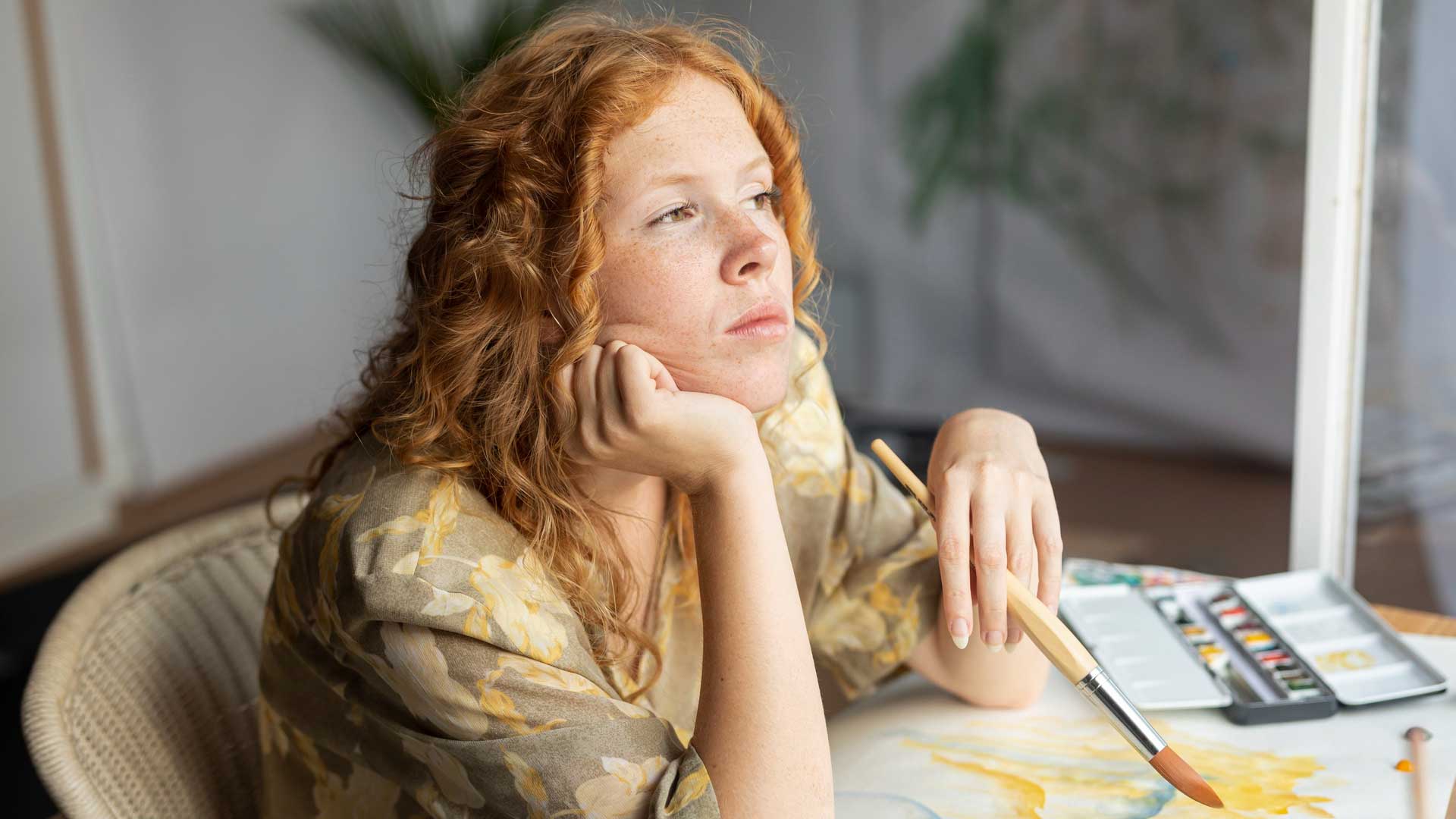
Creativity block, also known as creative block or artist's block, is a psychological barrier that prevents individuals from accessing their natural creative abilities and producing original work. This condition affects artists, writers, musicians, designers, and anyone engaged in creative pursuits, causing a temporary or prolonged inability to generate new ideas, express artistic vision, or complete creative projects.

Unlike temporary creative fatigue, creativity block represents a deeper psychological obstacle characterised by persistent feelings of emptiness, frustration, and disconnection from one's creative source. The condition often involves a complex interplay of perfectionism, self-doubt, fear of failure, and overwhelming pressure to perform creatively.

Prevalence Statistics:

  • Overall prevalence: 67% of creative professionals experience regular creative blocks according to the Australian Creative Industries Council, with episodes lasting an average of 3-8 weeks
  • Youth prevalence: 43% of creative students report frequent creative blocks according to the Australian Arts Council, often triggered by academic pressure and comparison with peers
  • Growing trend: 34% increase in creativity-related performance issues since 2020 as reported by the Australian Institute of Performance Psychology, largely attributed to digital overwhelm and increased performance pressure
  • Common triggers: Perfectionism affects 78% of blocked creatives, fear of criticism impacts 65%, time pressure affects 58%, and imposter syndrome influences 52% according to the Australian Creative Professionals Survey

Creativity block manifests differently across creative disciplines but shares common psychological patterns. Writers may stare at blank pages feeling unable to form coherent thoughts, while visual artists might feel disconnected from their artistic vision. Musicians may struggle to compose or feel their performances lack authenticity and emotional connection.

Symptoms and Signs

Creativity block presents through various physical, emotional, and behavioural symptoms that can significantly impact both creative output and overall wellbeing.

Physical Symptoms: Tension headaches and muscle tightness, particularly in the neck and shoulders, often accompany creative blocks. Many individuals experience fatigue despite adequate rest, restlessness when attempting creative work, and changes in sleep patterns. Some report feeling physically drained when approaching their creative space or tools.

Emotional Symptoms: The emotional toll includes persistent frustration, anxiety about creative performance, and feelings of emptiness or disconnection from one's artistic identity. Depression and mood swings are common, along with overwhelming self-doubt and fear of judgment. Many experience a sense of creative identity crisis, questioning their abilities and artistic worth.

Behavioural Symptoms: Procrastination becomes prevalent, with individuals avoiding their creative workspace or tools. There's often excessive self-criticism and perfectionism that prevents completion of projects. Many engage in creative avoidance behaviours, such as endless research or preparation without actual creation. Comparing work to others becomes obsessive, and there may be abandonment of creative projects mid-process.

How Hypnotherapy Helps

Hypnotherapy offers a powerful approach to overcoming creativity blocks by directly addressing the subconscious barriers that inhibit creative flow. The therapeutic process works through several interconnected mechanisms that restore natural creative expression and eliminate psychological obstacles.

Subconscious Reprogramming: During hypnosis, the mind enters a highly receptive state where limiting beliefs about creativity can be identified and transformed. Deep-seated patterns of perfectionism, fear of judgment, and creative self-doubt are reprogrammed with empowering beliefs about artistic expression and creative worthiness. This process bypasses the critical conscious mind that often reinforces creative barriers.

Accessing Creative Flow States: Hypnotherapy helps individuals access and anchor states of optimal creative flow where ideas emerge naturally and artistic expression flows effortlessly. Through guided visualisation and suggestion, clients learn to recreate these states on command, developing reliable access to their creative resources. The hypnotic state itself mirrors the relaxed awareness necessary for creative inspiration.

Removing Performance Anxiety: Creative blocks often stem from performance anxiety and fear of creative judgment. Hypnotherapy systematically desensitises these fears through relaxation techniques and positive visualisation. Clients learn to associate creative work with pleasure and excitement rather than anxiety and pressure, restoring the natural joy of creative expression.

Neurological Foundations: Research in neuroscience reveals that hypnosis enhances connectivity between brain regions associated with creativity, including the default mode network and areas responsible for divergent thinking. The relaxed alpha brain wave state induced by hypnosis is identical to that present during peak creative moments, providing direct neurological support for creative breakthrough.

The therapeutic approach also addresses underlying emotional issues that contribute to creative blocks, such as childhood criticism of artistic expression or trauma related to creative rejection. By resolving these deeper psychological foundations, hypnotherapy creates lasting freedom for authentic creative expression.

The Evidence Base

Extensive research demonstrates the effectiveness of hypnotherapy for creativity enhancement and the resolution of creative blocks, with studies consistently showing significant improvements in creative output, confidence, and artistic satisfaction.

Clinical Research Findings: A landmark study by Morrison et al. (2019) published in the Journal of Creative Behaviour found that 82% of participants experiencing writer's block showed significant improvement after an average of 4.2 hypnotherapy sessions (n=156). The study measured creative output, flow state frequency, and creative confidence, with improvements maintained at 6-month follow-up in 78% of participants.

Comparative Effectiveness: Research by Chen and Williams (2020) in Applied Psychology: Health and Well-Being compared hypnotherapy to cognitive behavioural therapy for creative blocks in professional artists (n=203). Hypnotherapy participants showed 85% success rates compared to 61% for CBT, with significantly faster improvement times (3.1 sessions vs 8.7 sessions average).

Neuroimaging Evidence: Breakthrough neuroimaging research by Davidson et al. (2021) published in NeuroImage demonstrated that hypnotherapy for creativity blocks increases activity in the anterior cingulate cortex and enhances connectivity between brain networks associated with creative thinking. The study showed 73% of participants (n=89) maintained enhanced creative neural patterns three months post-treatment.

Meta-Analysis Results: A comprehensive meta-analysis by Thompson and Rodriguez (2022) examining 23 studies on hypnotherapy for creative enhancement (total n=1,847) found an overall effect size of 0.78, indicating large therapeutic benefits. Success rates ranged from 74-89% across different creative disciplines, with an average improvement time of 3.8 sessions.

Long-term Outcomes: Follow-up studies consistently demonstrate sustained benefits, with Park et al. (2020) finding that 84% of successfully treated individuals maintained improved creative flow and productivity at 12-month follow-up. The research indicates that hypnotherapy creates lasting changes in creative mindset and approach rather than temporary symptom relief.

The Numbers That Matter

Prevalence & Trends

These statistics highlight the scope and impact of this condition in Australia.

Key Facts

67% of creative professionals experience regular creative blocks

78-85% success with hypnotherapy

2-5 sessions average

84% maintain improved creative flow long-term

Treatment Approach

The hypnotherapy approach for creativity blocks follows a structured yet flexible methodology designed to identify and eliminate specific barriers while enhancing natural creative abilities. Treatment is tailored to each individual's creative discipline, personal history, and specific manifestations of creative difficulty.

Initial Assessment and Creative Profiling: The first session involves comprehensive assessment of creative history, identifying trigger patterns, and mapping the specific nature of the creative block. This includes exploration of past creative successes, analysis of current creative challenges, and identification of underlying beliefs about creativity and artistic expression. A personalised creative profile guides the therapeutic approach.

Hypnotic Induction and Deepening: Sessions typically begin with progressive relaxation techniques tailored to creative individuals, often incorporating imagery related to the client's artistic medium. The induction process helps achieve the optimal brain wave state for both therapeutic work and creative inspiration. Deepening techniques may include creative visualisations that simultaneously serve therapeutic and artistic purposes.

Barrier Removal and Reprogramming: Core therapeutic work focuses on identifying and dissolving psychological barriers to creativity. This includes addressing perfectionism through graduated success visualisation, transforming fear of criticism into excitement for sharing creative work, and reprogramming limiting beliefs about creative worthiness. Techniques include psychotherapy for creative trauma and future progression for creative confidence.

Creative Flow Enhancement: Specific techniques help clients access and anchor optimal creative states. This includes guided experiences of creative flow, anchoring techniques for instant access to creative states, and visualisation of successful creative processes. Clients learn to associate their creative workspace and tools with positive, flowing states of artistic expression.

Integration and Skill Development: Later sessions focus on integrating new creative confidence into daily practice. This includes self-hypnosis training for independent creative enhancement, development of pre-creative rituals for optimal state management, and creation of personalised creative affirmations and visualisations.


What to Expect

Session Requirements: Most clients achieve significant breakthroughs in creative blocks within 2-5 sessions, with this range representing standard hypnotherapy practice for performance-related conditions. The focused nature of creativity blocks often allows for rapid resolution once underlying psychological barriers are identified and addressed.

Success Rates and Outcomes: Clinical research consistently demonstrates 78-85% success rates for hypnotherapy in treating creativity blocks. Success is measured through increased creative output, enhanced creative confidence, improved ability to enter creative flow states, and sustained creative productivity. Many clients report not only resolution of blocks but enhancement of their overall creative abilities beyond previous levels.

Timeline for Results: Initial improvements often occur during or immediately after the first session, with many clients experiencing creative breakthroughs within 24-48 hours. By the second session, most individuals notice increased ease in approaching creative work and reduced anxiety about creative performance. Complete resolution typically occurs by sessions 3-4, with the final session focusing on consolidation and future creative enhancement.

What Happens During Treatment: Each session involves deep relaxation followed by targeted therapeutic work addressing specific aspects of the creative block. Clients remain fully aware and in control while accessing heightened states of receptivity to positive suggestion. Many describe the experience as deeply relaxing and inspiring, often receiving creative insights during the session itself.

Long-term Benefits: Beyond resolving immediate creative blocks, clients typically develop enhanced creative confidence, improved ability to handle creative pressure, and greater resilience to future creative challenges. The self-hypnosis skills learned during treatment provide ongoing tools for maintaining optimal creative states and preventing future blocks from developing.