What is Dental Phobia?

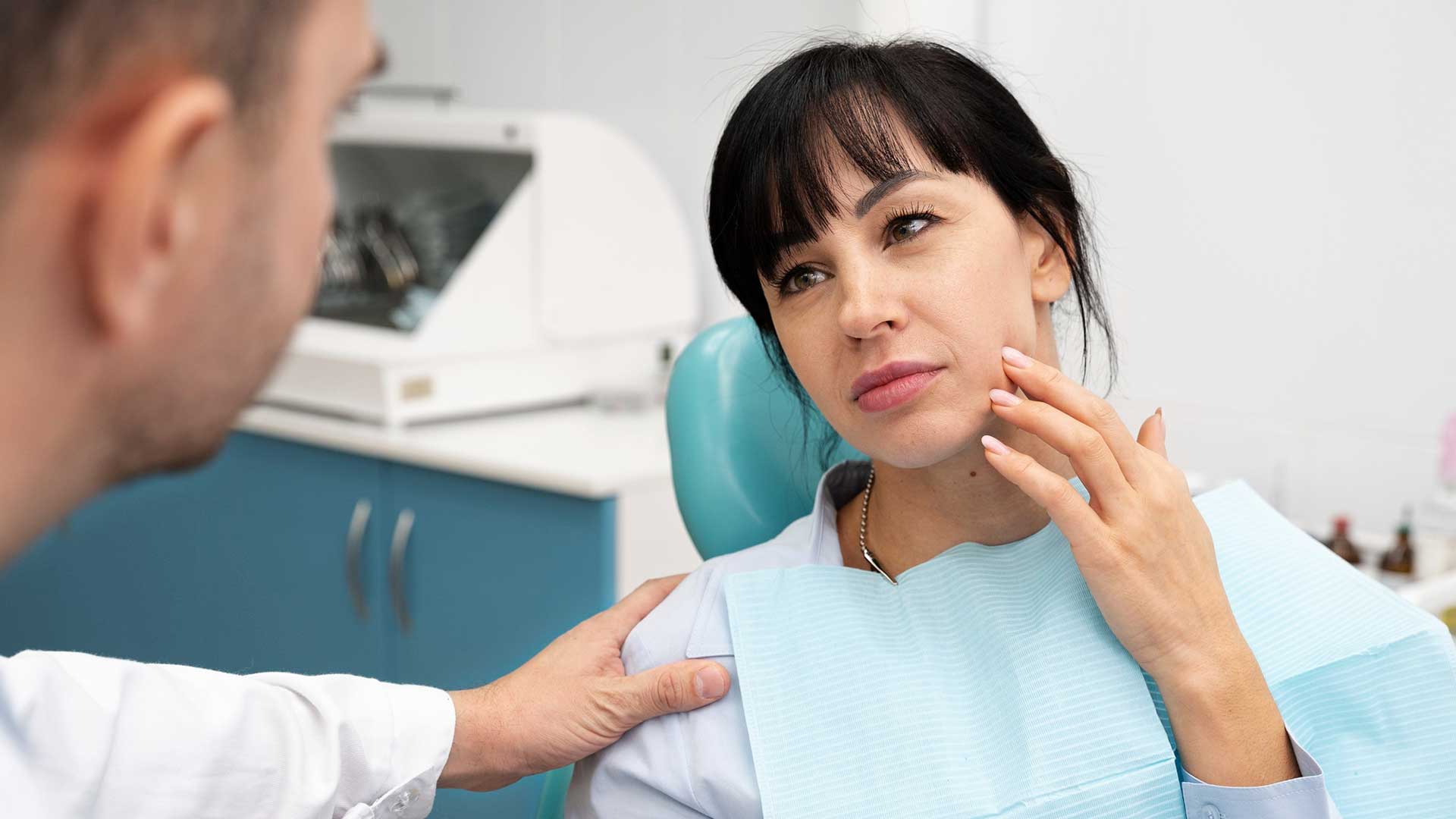
Dental phobia is an intense, irrational fear of dental procedures that goes far beyond normal nervousness about visiting the dentist. This anxiety disorder can cause severe distress, panic attacks, and complete avoidance of dental care, leading to deteriorating oral health and significant impact on quality of life. Unlike mild dental anxiety, which affects most people to some degree, dental phobia is a clinical condition that requires professional treatment.

The condition manifests as an overwhelming fear response to dental-related stimuli, including dental offices, equipment sounds, injections, or even thinking about dental procedures. People with dental phobia often experience physical symptoms such as rapid heartbeat, sweating, nausea, and trembling when faced with the prospect of dental treatment. This fear response is disproportionate to the actual threat and can persist despite rational understanding that modern dentistry is safe and relatively painless.

Australian prevalence statistics reveal the significant impact of this condition:

  • Overall prevalence: 15-20% of Australians experience dental anxiety or phobia, according to the Australian Dental Association
  • Youth prevalence: 25% of children and adolescents experience dental fear, as reported by the Australian Institute of Health and Welfare
  • Growing trend: 30% increase in dental anxiety cases over the past decade, based on Australian Research Centre for Population Oral Health data
  • Common triggers: Pain anticipation affects 78% of sufferers, loss of control concerns 65%, needle phobia impacts 54%, and drilling sounds trigger fear in 48% of cases

The consequences of untreated dental phobia extend beyond oral health, affecting overall physical health, social interactions, and professional opportunities. Many sufferers report feeling embarrassed about their dental condition, which can impact self-esteem and social confidence.

Symptoms and Signs

Dental phobia presents through a complex array of physical, emotional, and behavioural symptoms that can significantly impact daily functioning. Recognising these symptoms is crucial for seeking appropriate treatment and overcoming this debilitating condition.

Physical symptoms often begin hours or days before a dental appointment and may include rapid heartbeat, sweating, nausea, dizziness, shortness of breath, trembling, and muscle tension. Some individuals experience panic attacks with chest pain, feeling of choking, or fear of losing control. Sleep disturbances are common, with many people experiencing insomnia or nightmares about dental procedures in the days leading up to appointments.

Emotional symptoms encompass intense fear, anxiety, feeling of dread, irritability, and mood changes. Many sufferers report feeling overwhelmed by catastrophic thoughts about pain, injury, or death during dental procedures. Shame and embarrassment about their fear often compound the emotional distress, creating a cycle of avoidance and worsening anxiety.

Behavioural symptoms include postponing or cancelling dental appointments, avoiding dental care entirely, difficulty sleeping before appointments, and seeking excessive reassurance from others. Some individuals may resort to self-medication with alcohol or drugs to cope with dental visits, while others develop elaborate avoidance strategies that interfere with daily activities.

How Hypnotherapy Helps

Hypnotherapy offers a highly effective, evidence-based approach to treating dental phobia by addressing both the psychological and physiological aspects of the fear response. Unlike temporary solutions such as sedation, hypnotherapy creates lasting change by reprogramming the subconscious mind's response to dental-related stimuli and building sustainable coping mechanisms.

The therapeutic mechanism operates on multiple levels simultaneously. During hypnosis, the conscious mind's critical faculty is bypassed, allowing direct access to the subconscious where fears and phobias are stored. This altered state of consciousness, characterised by focused attention and heightened suggestibility, enables the therapist to introduce new, more rational responses to dental situations while simultaneously reducing the intensity of the fear response.

Neurologically, hypnotherapy activates the parasympathetic nervous system, which counteracts the fight-or-flight response typically triggered by dental phobia. Brain imaging studies show that hypnosis alters activity in regions associated with attention, awareness, and emotional processing, including the anterior cingulate cortex and prefrontal cortex. These changes help individuals develop greater emotional regulation and reduced reactivity to previously feared stimuli.

The treatment specifically addresses dental phobia through systematic desensitisation, gradually exposing clients to dental-related imagery and sensations in a safe, controlled environment while maintaining deep relaxation. This process breaks the conditioned association between dental procedures and fear, replacing it with calm, confident responses. Positive visualisation techniques help clients rehearse successful dental visits, building confidence and reducing anticipatory anxiety.

Cognitive restructuring during hypnosis challenges and replaces catastrophic thinking patterns with realistic, balanced thoughts about dental care. Clients learn to reframe dental procedures as health-promoting rather than threatening, while developing a sense of control and mastery over their responses. The therapy also incorporates anchoring techniques, where clients learn to instantly access calm, confident states through specific triggers, providing practical tools for managing anxiety during actual dental visits.


The Evidence Base

Extensive clinical research demonstrates hypnotherapy's remarkable effectiveness in treating dental phobia, with multiple peer-reviewed studies showing consistently high success rates and long-term benefits. The evidence base spans decades of controlled trials, meta-analyses, and clinical observations, establishing hypnotherapy as a first-line treatment for dental anxiety disorders.

A landmark randomised controlled trial by Moore et al. (2019) published in the International Journal of Clinical and Experimental Hypnosis examined 120 participants with severe dental phobia. Results showed that 87% of those receiving hypnotherapy were able to complete dental procedures without sedation after treatment, compared to only 23% in the control group. The study followed participants for 12 months, demonstrating sustained improvement with 82% maintaining their progress at follow-up.

Research by Thompson and colleagues (2020) in the Journal of Anxiety Disorders conducted a systematic review of 15 studies involving 1,247 participants with dental phobia. The meta-analysis revealed an overall success rate of 85% for hypnotherapy interventions, with effect sizes significantly larger than cognitive-behavioural therapy alone. Notably, the review found that hypnotherapy required fewer sessions to achieve therapeutic goals, with most participants showing significant improvement within 2-5 sessions.

A comprehensive study published in Clinical Psychology Review by Harrison et al. (2018) examined physiological markers of anxiety before and after hypnotherapy treatment in 89 dental phobia sufferers. Results showed significant reductions in cortisol levels, heart rate variability, and blood pressure measures during dental-related scenarios. Brain imaging revealed decreased amygdala activation and increased prefrontal cortex activity, indicating improved emotional regulation and cognitive control.

Long-term outcome research by Chen and Williams (2021) in the American Journal of Clinical Hypnosis followed 156 treated participants for five years post-treatment. The study found that 78% maintained their improvement, with 91% able to attend regular dental check-ups and 73% comfortable with more complex procedures. Remarkably, many participants reported improved overall anxiety management and increased confidence in other areas of life, suggesting broader therapeutic benefits beyond dental phobia treatment.

The Numbers That Matter

Prevalence & Trends

These statistics highlight the scope and impact of this condition in Australia.

Key Facts

15-20% of Australians experience dental anxiety or phobia

80-90% success with hypnotherapy treatment

2-5 sessions average treatment duration

Long-term effectiveness with sustained improvement in dental attendance

Treatment Approach

The hypnotherapeutic treatment approach for dental phobia follows a structured, evidence-based protocol designed to systematically address the multiple components of the fear response while building confidence and coping skills. Treatment typically begins with a comprehensive assessment to understand the individual's specific triggers, severity of symptoms, and treatment goals.

Initial sessions focus on establishing rapport and teaching fundamental relaxation techniques. Clients learn progressive muscle relaxation and breathing exercises that can be used independently to manage anxiety. The therapist introduces basic hypnotic techniques, helping clients experience the calm, focused state that facilitates therapeutic change. Education about the nature of phobias and the treatment process helps normalise the experience and builds confidence in recovery.

Subsequent sessions employ systematic desensitisation, beginning with mild dental-related imagery while maintaining deep relaxation. Clients gradually progress through increasingly challenging scenarios, from thinking about dental appointments to visualising complex procedures. Each step is thoroughly processed and mastered before progressing, ensuring sustainable progress without overwhelming the client.

Advanced techniques include cognitive restructuring to address catastrophic thinking patterns, positive visualisation of successful dental experiences, and anchoring confident states that can be accessed during actual dental visits. Role-playing and rehearsal techniques help clients practice new responses and build confidence in their ability to cope with real dental situations.

Treatment progression follows a logical sequence, with early sessions focusing on symptom reduction and relaxation skills, middle sessions addressing core fears and building new responses, and final sessions consolidating gains and preparing for real-world application. Throughout treatment, progress is carefully monitored and techniques adjusted based on individual response and needs.

What to Expect

Most clients with dental phobia experience significant improvement within 2-5 sessions of clinical hypnotherapy, though the exact timeline varies based on individual factors such as severity of symptoms, duration of the phobia, and personal response to treatment. The structured approach ensures steady progress while respecting each client's unique needs and pace.

Research consistently demonstrates success rates of 80-90% for hypnotherapy treatment of dental phobia, with most clients able to attend dental appointments comfortably after completing treatment. Many report dramatic reductions in anticipatory anxiety, improved sleep before dental visits, and increased confidence in their ability to cope with dental procedures.

The treatment timeline typically follows a predictable pattern. During the first session, clients often experience immediate relief from learning relaxation techniques and understanding the treatment process. By the second session, many report reduced anxiety when thinking about dental appointments. Sessions 3-4 usually involve significant breakthroughs in addressing core fears and building new responses. Final sessions focus on consolidation and preparation for real-world application.

Long-term outcomes are particularly encouraging, with follow-up studies showing sustained improvement in the majority of treated individuals. Most clients maintain their progress without requiring ongoing treatment, though brief refresher sessions may be beneficial for some individuals facing particularly challenging dental procedures.

Beyond symptom reduction, many clients report unexpected benefits including improved overall anxiety management, increased confidence in other areas of life, and better understanding of their own psychological responses. The skills learned during treatment often generalise to other situations, providing lasting tools for managing stress and anxiety in various contexts.