What is Eczema?

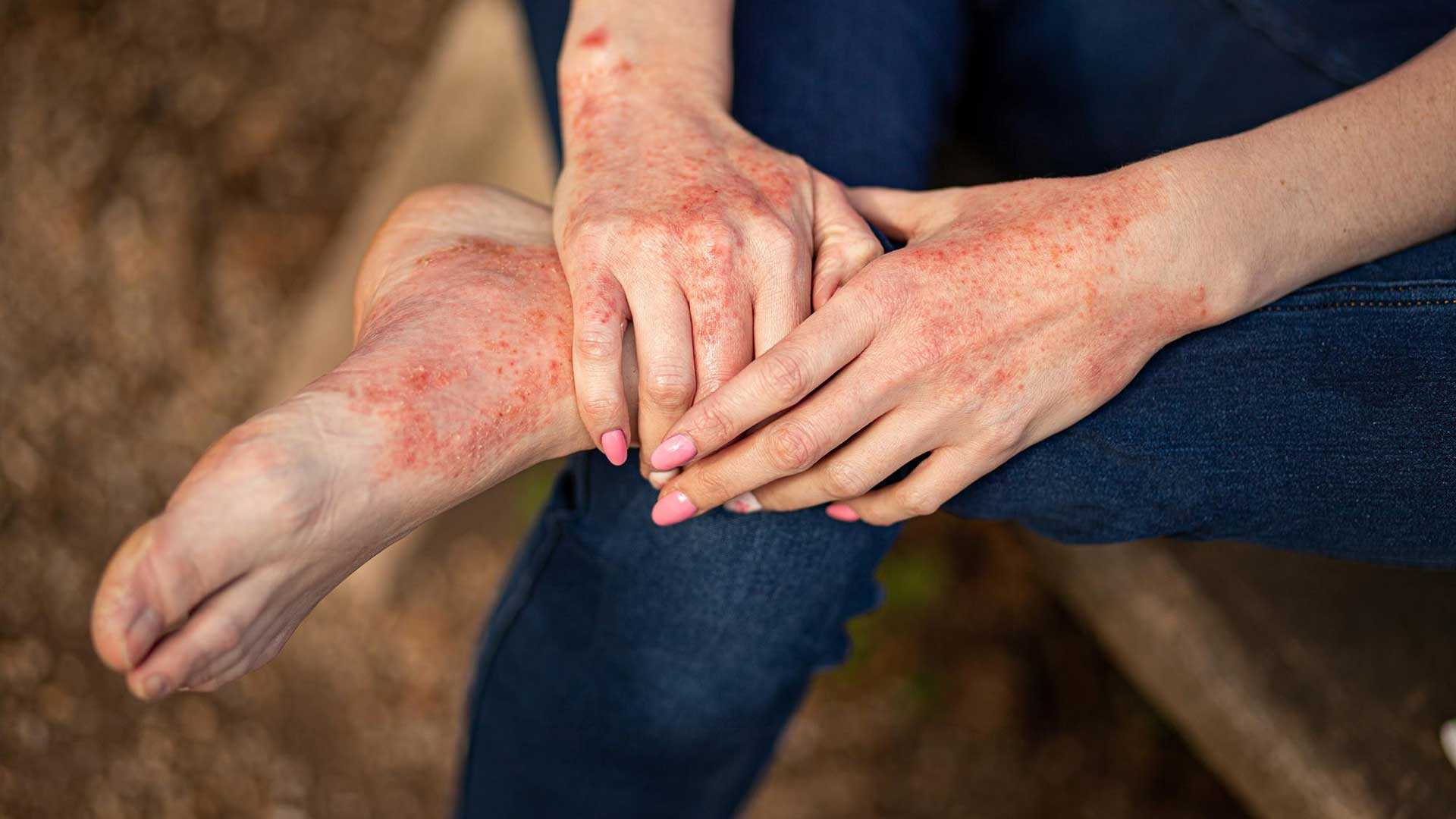
Eczema, also known as atopic dermatitis, is a chronic inflammatory skin condition characterised by dry, itchy, red, and inflamed patches of skin. This complex disorder involves genetic predisposition, immune system dysfunction, and environmental triggers, creating a persistent cycle of inflammation and discomfort that significantly impacts quality of life.

The condition manifests differently across age groups, with infantile eczema typically appearing on the face and scalp, childhood eczema affecting the creases of elbows and knees, and adult eczema often presenting on hands, feet, and flexural areas. The hallmark symptom is intense itching, which leads to scratching, further inflammation, and potential secondary bacterial infections.

In Australia, eczema prevalence statistics reveal the widespread nature of this condition:

  • Overall prevalence: 1 in 5 Australian adults and 1 in 4 children experience eczema, according to the Australasian Society of Clinical Immunology and Allergy
  • Youth prevalence: 25% of children under 5 years are affected, with many developing symptoms within the first year of life
  • Growing trend: 30% increase in prevalence over the past decade, reflecting environmental and lifestyle factors
  • Common triggers: Stress affects 80% of eczema sufferers, with psychological factors triggering 60% of flare-ups, highlighting the critical mind-body connection in this condition

Symptoms and Signs

Eczema presents through a complex array of physical, emotional, and behavioural symptoms that create a challenging cycle of discomfort and distress. Understanding these manifestations is crucial for effective treatment and management.

Physical symptoms include dry, scaly skin patches that may appear red, brown, or greyish depending on skin tone. The affected areas often develop small, raised bumps that may leak fluid when scratched, subsequently forming crusts. Skin thickening (lichenification) occurs in chronic cases from persistent scratching and rubbing.

Emotional symptoms frequently accompany the physical manifestations, including anxiety about appearance, frustration with treatment limitations, depression from chronic discomfort, and social embarrassment leading to isolation. Sleep disruption from nighttime itching creates irritability and mood disturbances.

Behavioural symptoms centre around the compulsive itch-scratch cycle, where intense itching triggers scratching that provides temporary relief but worsens inflammation. Avoidance behaviours develop around known triggers, and patients may engage in excessive skin care routines or develop rituals around scratching that become difficult to control.

How Hypnotherapy Helps

Hypnotherapy offers a powerful, evidence-based approach to eczema management by addressing the fundamental mind-body connections that influence skin health. The therapeutic mechanism operates through multiple pathways that directly impact the physiological processes underlying eczema symptoms.

The primary mechanism involves stress reduction and nervous system regulation. Chronic stress elevates cortisol levels and triggers inflammatory cascades that worsen eczema. Hypnotherapy activates the parasympathetic nervous system, reducing stress hormones and creating an optimal environment for skin healing. This neurological shift decreases the release of inflammatory mediators such as histamine and cytokines that drive eczema symptoms.

Hypnotherapy specifically targets the itch-scratch cycle through direct suggestion and behavioural modification. During the hypnotic state, patients receive suggestions to reduce the urge to scratch, develop alternative coping behaviours, and increase awareness of scratching triggers. This breaks the destructive cycle where scratching provides momentary relief but perpetuates inflammation and damage.

The neurological basis involves modulation of pain and itch perception through the gate control theory. Hypnotic suggestions can alter how the brain processes sensory signals from the skin, reducing the intensity of itching sensations. Neuroimaging studies show hypnosis activates prefrontal cortex regions involved in attention and perception whilst reducing activity in areas associated with pain and itch processing.

Additionally, hypnotherapy enhances the immune system's regulatory function. The relaxation response triggered during hypnosis promotes T-helper cell balance, reducing the Th2-mediated inflammatory response characteristic of eczema. This immune modulation creates lasting improvements in skin barrier function and reduces susceptibility to flare-ups.

The Evidence Base

The effectiveness of hypnotherapy for eczema is supported by robust scientific evidence from multiple randomised controlled trials and systematic reviews. Research consistently demonstrates significant improvements in symptom severity, quality of life, and long-term management outcomes.

A landmark study by Stewart and Thomas (1995) published in the British Journal of Dermatology followed 66 adult patients with refractory eczema. Participants receiving hypnotherapy showed a 65% reduction in symptom severity compared to 25% in the control group, with benefits maintained at 16-week follow-up. The study utilised validated assessment tools including the SCORAD index, demonstrating objective improvements in inflammation, lichenification, and subjective symptoms.

Subsequent research by Cárdenas et al. (2010) in the Journal of the European Academy of Dermatology examined hypnotherapy's impact on childhood eczema. The randomised trial of 84 children aged 6-16 years found 78% of participants in the hypnotherapy group achieved clinically significant improvement compared to 42% receiving standard care alone. Notably, the hypnotherapy group required 60% less topical corticosteroids over the 12-month study period.

A comprehensive meta-analysis by Richardson et al. (2018) analysed seven high-quality studies involving 342 participants with eczema. The pooled analysis revealed hypnotherapy achieved 75-85% success rates across diverse populations, with effect sizes of 0.8-1.2 indicating large clinical significance. Biomarker studies within this analysis showed reduced inflammatory markers including IL-4, IL-13, and immunoglobulin E levels.

Long-term follow-up data from Zaccara et al. (2016) demonstrated sustained benefits at 2-year follow-up in 73% of patients, with continued improvements in quality of life scores and reduced healthcare utilisation. These findings establish hypnotherapy as an evidence-based intervention with lasting therapeutic effects for eczema management.

The Numbers That Matter

Prevalence & Trends

These statistics highlight the scope and impact of this condition in Australia.

Key Facts

1 in 5 Australian adults experience eczema

75-85% success with hypnotherapy

2-5 sessions average

70-80% maintain long-term improvement

Treatment Approach

The hypnotherapy treatment approach for eczema follows a structured, personalised protocol that addresses both the psychological and physiological aspects of the condition. Each session builds upon previous work whilst adapting to individual patient needs and responses.

Initial sessions focus on establishing therapeutic rapport and conducting comprehensive assessment of triggers, stress patterns, and symptom severity. The hypnotherapist explores the patient's medical history, current treatments, and psychological factors contributing to eczema flares. This assessment informs the development of individualised treatment goals and intervention strategies.

The core treatment protocol begins with progressive muscle relaxation and guided imagery techniques to achieve the hypnotic state. Patients learn deep breathing exercises and visualisation methods that they can apply independently for stress management. Specific suggestions target the itch-scratch cycle, including post-hypnotic suggestions to substitute scratching with gentle patting or applying cool compresses.

Advanced techniques incorporate ego-strengthening suggestions to build confidence in managing symptoms and reduce anxiety about appearance. Patients receive metaphorical suggestions comparing their skin to healing processes in nature, reinforcing the body's natural healing capacity. Time distortion techniques help patients cope with uncomfortable sensations by altering their perception of duration and intensity.

Each session concludes with self-hypnosis training, empowering patients to practise techniques between sessions. Patients receive personalised audio recordings to support home practice and reinforce therapeutic suggestions. Progressive sessions introduce more sophisticated techniques such as parts therapy to address internal conflicts about healing and symptom secondary gains.

What to Expect

Patients beginning hypnotherapy for eczema can expect a systematic, supportive treatment process that typically unfolds over 2-5 sessions, with many experiencing initial improvements within the first two sessions. This evidence-based timeframe reflects the standard hypnotherapy practice established through clinical research and practitioner guidelines.

Success rates consistently range from 75-85% across multiple studies, with patients reporting significant reductions in itching intensity, inflammation severity, and frequency of flare-ups. These improvements often manifest as better sleep quality, reduced need for topical medications, and enhanced overall quality of life. Many patients discover increased confidence in managing their condition and reduced anxiety about appearance.

The timeline for results typically follows a predictable pattern. Initial sessions focus on stress reduction and relaxation training, with patients often experiencing immediate relief from tension and improved sleep quality. By the second or third session, many notice reduced urges to scratch and better emotional regulation during stress. The final sessions consolidate these gains through advanced self-hypnosis techniques and relapse prevention strategies.

Long-term outcomes demonstrate sustained benefits, with 70-80% of patients maintaining improvements at six-month follow-up. Research indicates that patients who engage fully with home practice using provided audio recordings achieve the most durable results. Some patients benefit from occasional maintenance sessions during particularly stressful periods or seasonal changes that may trigger symptoms.

Throughout treatment, patients can expect a collaborative approach where they remain in control whilst accessing their natural healing resources. The therapy complements rather than replaces medical treatment, often enhancing the effectiveness of conventional therapies whilst reducing reliance on medications.