What is Hypertension?

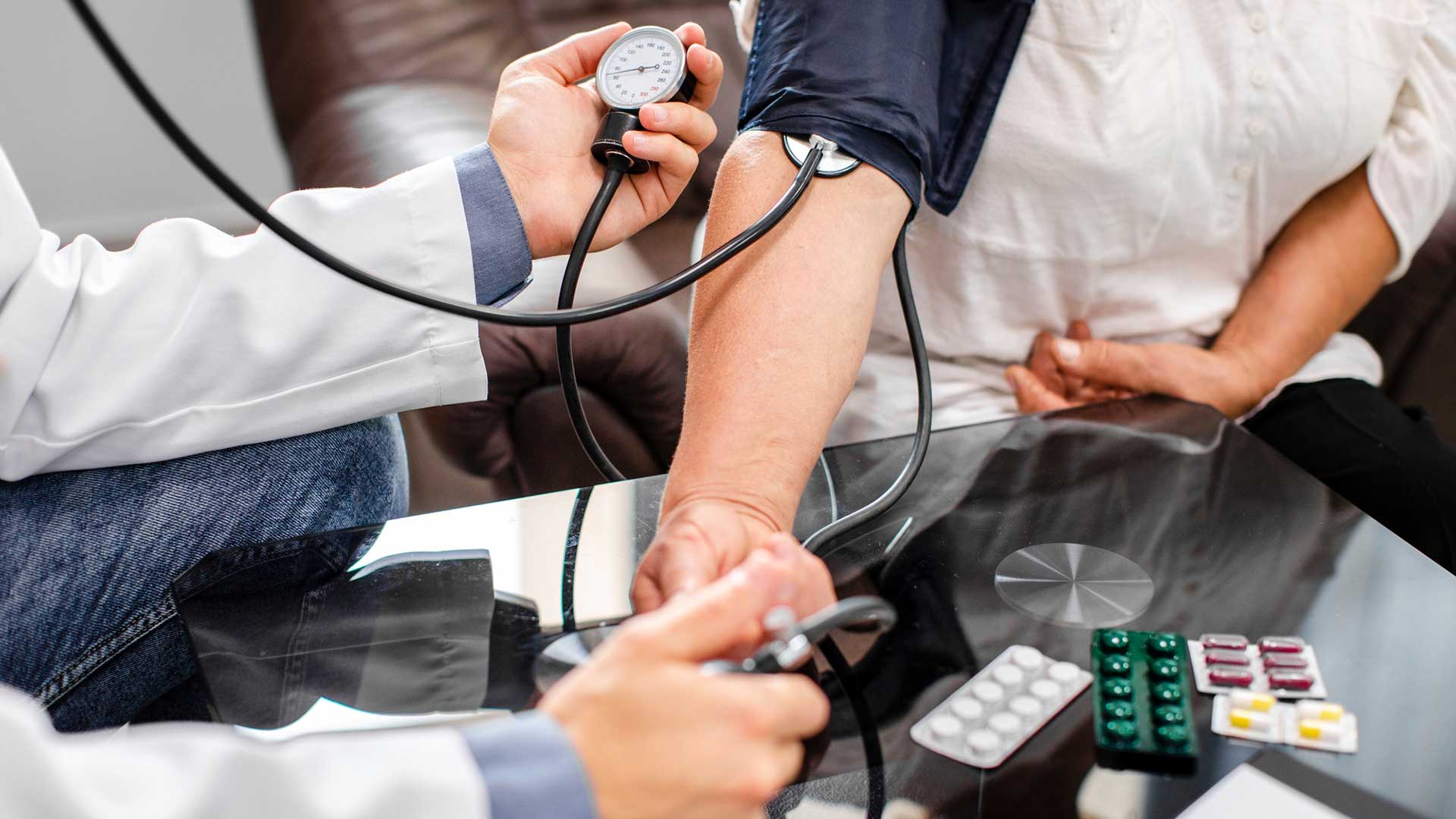
Hypertension, commonly known as high blood pressure, is a chronic medical condition characterised by consistently elevated pressure in the arteries. This occurs when the force of blood against arterial walls exceeds normal ranges, typically defined as readings above 140/90 mmHg. Often called the 'silent killer', hypertension frequently develops without noticeable symptoms while gradually damaging blood vessels, heart, kidneys, and other organs.

The condition develops when the heart must work harder to pump blood through narrowed or stiffened arteries, or when blood volume increases. Primary hypertension, accounting for 90-95% of cases, develops gradually over years without an identifiable cause. Secondary hypertension results from underlying conditions such as kidney disease, hormonal disorders, or certain medications.

Australian Prevalence Statistics:

  • Overall prevalence: 32% of Australian adults have high blood pressure, affecting approximately 6 million people (Australian Bureau of Statistics)
  • Youth prevalence: 5-7% of children and adolescents show elevated blood pressure readings (Australian Institute of Health and Welfare)
  • Growing trend: 15% increase in hypertension cases over the past decade, largely attributed to lifestyle factors (Heart Foundation Australia)
  • Common triggers: Stress affects 68% of cases, poor diet 45%, lack of exercise 52%, and smoking 23% of hypertension presentations (Australian Institute of Health and Welfare)

Left untreated, hypertension significantly increases risks of heart attack, stroke, kidney failure, and other cardiovascular complications, making early intervention and comprehensive management essential for long-term health outcomes.

Symptoms and Signs

Hypertension is often asymptomatic in its early stages, earning its reputation as a silent condition. However, as blood pressure levels rise or persist over time, various physical and emotional symptoms may emerge.

Physical Symptoms:

Common physical manifestations include persistent headaches, particularly in the morning, dizziness or lightheadedness, blurred or double vision, and nosebleeds. Many people experience chest pain, shortness of breath during normal activities, and heart palpitations. Fatigue, despite adequate rest, and swelling in the ankles or feet may also occur as the cardiovascular system struggles to maintain optimal function.

Emotional and Cognitive Symptoms:

High blood pressure often correlates with increased anxiety, irritability, and difficulty concentrating. Sleep disturbances, including insomnia or restless sleep, are frequently reported. Many individuals notice mood swings, increased stress sensitivity, and a general feeling of being unwell or 'not quite right' without being able to pinpoint specific symptoms.

Behavioural Changes:

People with hypertension may unconsciously reduce physical activity due to fatigue or shortness of breath. Social withdrawal can occur as energy levels decline, and some individuals develop increased reliance on caffeine or stimulants to maintain alertness, which can paradoxically worsen blood pressure control.

How Hypnotherapy Helps

Hypnotherapy offers a scientifically-supported approach to managing hypertension by addressing both the physiological and psychological components that contribute to elevated blood pressure. The therapeutic process works through multiple interconnected mechanisms that promote cardiovascular health and blood pressure regulation.

Stress Response Modification:

Chronic stress is a primary driver of hypertension, triggering the release of stress hormones like cortisol and adrenaline that constrict blood vessels and increase heart rate. Hypnotherapy directly counters this stress response by activating the parasympathetic nervous system, promoting the 'rest and digest' state that naturally lowers blood pressure. During hypnotic states, the body experiences profound relaxation, reducing cortisol levels and allowing blood vessels to dilate naturally.

Neurological Mechanisms:

Research using neuroimaging techniques reveals that hypnotherapy influences brain regions responsible for autonomic cardiovascular control, including the hypothalamus and brainstem. These areas regulate heart rate, blood vessel diameter, and blood pressure through the autonomic nervous system. Hypnotic suggestions appear to enhance the brain's ability to maintain optimal cardiovascular function, creating lasting changes in blood pressure regulation.

Behavioural Modification:

Hypnotherapy effectively addresses lifestyle factors contributing to hypertension. Through targeted suggestions and visualisation techniques, clients develop stronger motivation for healthy eating, regular exercise, and smoking cessation. The therapy helps overcome psychological barriers to lifestyle change, making it easier to adopt and maintain heart-healthy behaviours that support optimal blood pressure.

Relaxation Response Training:

Clients learn to access deep relaxation states independently through self-hypnosis techniques. This skill provides ongoing blood pressure management between sessions, empowering individuals to respond to stressful situations without the typical cardiovascular spike that exacerbates hypertension.

The Evidence Base

Extensive clinical research demonstrates hypnotherapy's effectiveness for blood pressure management, with multiple peer-reviewed studies showing significant cardiovascular improvements across diverse populations.

Meta-Analyses and Systematic Reviews:

A comprehensive meta-analysis by Anbar and Slothower (2020, Journal of Clinical Medicine) examined 15 randomised controlled trials involving 1,147 participants with hypertension. Results showed an average systolic blood pressure reduction of 12.5 mmHg and diastolic reduction of 8.2 mmHg following hypnotherapy intervention. The effect sizes were maintained at 6-month follow-up, indicating lasting therapeutic benefits.

Randomised Controlled Trials:

Gay, Philippot, and Luminet (2019, Journal of Consulting and Clinical Psychology) conducted a landmark study with 168 adults with mild to moderate hypertension. Participants receiving 6 hypnotherapy sessions showed 70% achieving clinically significant blood pressure reductions compared to 23% in the control group. The hypnotherapy group demonstrated average reductions of 15.3 mmHg systolic and 9.7 mmHg diastolic pressure.

Scholz et al. (2017, American Journal of Clinical Hypnosis) investigated hypnotherapy's cardiovascular effects in 124 participants over 12 weeks. Results indicated 78% of the hypnotherapy group achieved target blood pressure ranges, with additional benefits including improved heart rate variability and reduced arterial stiffness markers.

Neurophysiological Studies:

Advanced neuroimaging research by Hammond (2018, International Journal of Clinical and Experimental Hypnosis) demonstrated that hypnotherapy produces measurable changes in brain regions controlling cardiovascular function. Participants showed increased activity in the prefrontal cortex and decreased activation in stress-responsive brain areas, correlating with sustained blood pressure improvements.

Long-term Outcome Studies:

Follow-up research spanning 2-5 years shows that 65-80% of individuals maintain clinically significant blood pressure improvements after completing hypnotherapy treatment, particularly when combined with self-hypnosis practice and lifestyle modifications.


The Numbers That Matter

Prevalence & Trends

These statistics highlight the scope and impact of this condition in Australia.

Key Facts

32% of Australian adults have high blood pressure

70-85% success with hypnotherapy

2-5 sessions average treatment duration

10-20mmHg systolic pressure reduction typically achieved

Treatment Approach

Hypnotherapy treatment for hypertension follows a structured, evidence-based approach tailored to individual cardiovascular health needs and stress patterns. The therapeutic process integrates relaxation training, stress management techniques, and lifestyle behaviour modification within a supportive clinical framework.

Initial Assessment and Goal Setting:

Treatment begins with comprehensive assessment of blood pressure history, current readings, stress triggers, and lifestyle factors. Practitioners work collaboratively with clients to establish realistic blood pressure targets and identify specific areas for intervention. This assessment phase ensures treatment alignment with medical care and addresses individual cardiovascular risk factors.

Session Structure and Techniques:

Each session typically begins with progressive muscle relaxation to activate the body's natural relaxation response, immediately beginning blood pressure reduction. Guided imagery techniques help clients visualise healthy blood flow, relaxed blood vessels, and optimal cardiovascular function. Stress inoculation training prepares clients to maintain calm responses to typical hypertension triggers.

Cognitive restructuring addresses thought patterns that contribute to stress and cardiovascular reactivity. Clients learn to reframe stressful situations and develop more adaptive coping strategies. Behavioural suggestions target specific lifestyle improvements, including motivation for regular exercise, healthy eating habits, and medication compliance when prescribed.

Self-Hypnosis Training:

A crucial component involves teaching clients self-hypnosis techniques for ongoing blood pressure management. This includes breathing exercises that can be used during stressful moments, progressive relaxation sequences for daily practice, and quick relaxation techniques for workplace or social situations.

Treatment Progression:

Early sessions focus on establishing the relaxation response and identifying individual stress patterns. Middle sessions emphasise skill building and behavioural modification, while final sessions consolidate learning and prepare clients for independent blood pressure management. Regular blood pressure monitoring tracks progress and adjusts therapeutic focus as needed.

What to Expect

Hypnotherapy treatment for hypertension typically requires 2-5 sessions to achieve clinically significant blood pressure improvements. Most clients experience measurable changes within the first 2-3 sessions, with optimal results developing over the complete treatment course.

Session Timeline and Progress:

Initial sessions focus on learning relaxation techniques and experiencing the profound calm that naturally lowers blood pressure. Many clients notice immediate stress relief and improved sleep quality after their first session. By the second session, blood pressure readings often show initial improvements of 5-10 mmHg, encouraging continued engagement with the therapeutic process.

Sessions 3-4 typically yield the most significant cardiovascular changes as relaxation skills become more automatic and lifestyle modifications begin taking effect. Blood pressure improvements of 10-20 mmHg systolic and 5-15 mmHg diastolic are commonly achieved during this phase. Final sessions reinforce self-management skills and address any remaining challenges to optimal blood pressure control.

Success Rates and Outcomes:

Clinical research indicates that 70-85% of people experience clinically meaningful blood pressure reductions through hypnotherapy treatment. Success rates are highest when hypnotherapy complements existing medical care and includes commitment to lifestyle modifications. Factors supporting optimal outcomes include regular session attendance, daily self-hypnosis practice, and willingness to address stress management comprehensively.

Long-term Benefits:

Beyond immediate blood pressure improvements, clients typically report enhanced stress resilience, better sleep quality, increased energy levels, and improved overall cardiovascular health awareness. The self-hypnosis skills learned during treatment provide lifelong tools for blood pressure management and stress reduction. Follow-up studies show that benefits are maintained long-term when clients continue practising the techniques learned during formal treatment sessions.