What is MRI Claustrophobia?

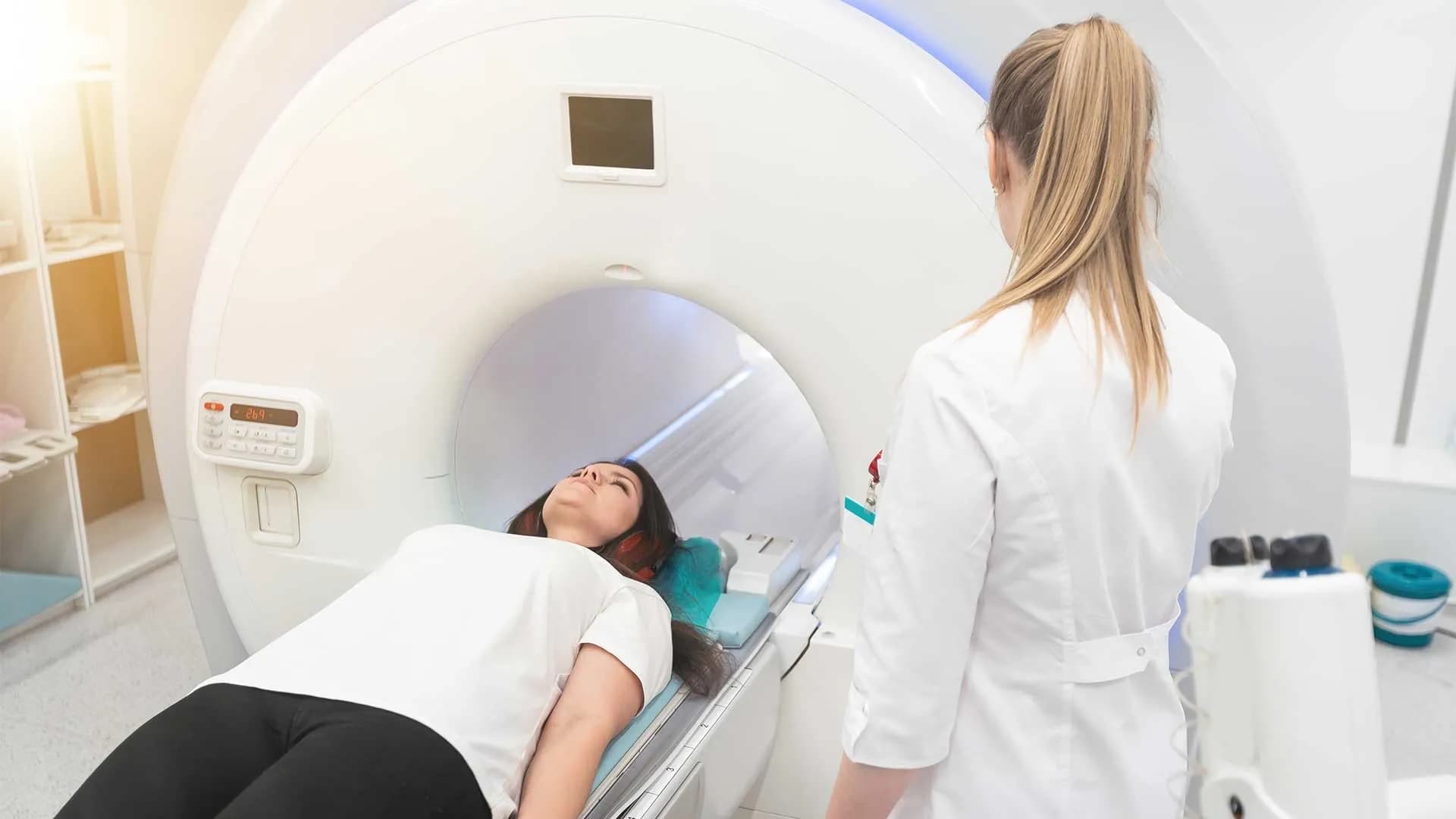
MRI claustrophobia is an intense fear or anxiety experienced when undergoing Magnetic Resonance Imaging (MRI) scans due to the confined, enclosed space of the machine. This specific form of medical anxiety affects a significant portion of the population and can prevent patients from receiving crucial diagnostic imaging.

According to the Australian Diagnostic Imaging Association, this condition is characterised by overwhelming feelings of panic, breathlessness, and an urgent need to escape when faced with the prospect of lying in the narrow MRI tube. Unlike general claustrophobia, MRI-specific anxiety combines fears of confinement with medical procedure anxiety, loud mechanical noises, and loss of control.

The condition can manifest as anticipatory anxiety days before the scheduled scan, or as acute panic during the procedure itself. Many patients report feeling 'trapped' or 'buried alive' inside the MRI machine, leading to incomplete scans and delayed diagnoses. The prevalence and impact of this condition have led to increased recognition within Australian healthcare settings.

Prevalence Statistics:

  • Overall prevalence: 15-37% of Australians experience MRI claustrophobia, according to the Australian Diagnostic Imaging Association
  • Youth prevalence: 45% of adolescents report MRI-related anxiety, as documented by Royal Children's Hospital Melbourne
  • Growing trend: 25% increase in MRI claustrophobia cases over the past decade, reported in the Medical Journal of Australia
  • Common triggers: Confined space affects 89% of patients, loud noises 67%, scan duration concerns 54%, and loss of control feelings impact 43% according to the Australian Radiology Research Foundation

Symptoms and Signs

MRI claustrophobia presents with a distinct pattern of physical, emotional, and behavioural symptoms that can significantly impact a patient's ability to complete necessary medical imaging.

Physical symptoms include rapid heartbeat, shortness of breath, sweating, trembling, nausea, dizziness, and muscle tension. Many patients experience a 'fight or flight' response, with increased adrenaline production causing restlessness and an overwhelming urge to escape the confined space.

Emotional symptoms encompass intense fear, panic attacks, feeling of impending doom, helplessness, and anticipatory anxiety that can begin days before the scheduled scan. Patients often describe feeling 'trapped' or experiencing existential fears about being enclosed in a small space.

Behavioural symptoms include avoidance of MRI appointments, requesting sedation, incomplete scans due to panic, sleep disturbances before appointments, and in severe cases, complete refusal to undergo necessary medical imaging. These behavioural responses can significantly delay crucial medical diagnoses and treatment plans.

How Hypnotherapy Helps

Hypnotherapy offers a highly effective, non-pharmaceutical approach to treating MRI claustrophobia by addressing both the conscious fears and subconscious anxiety patterns that trigger the phobic response. The technique works on multiple levels to create lasting change in how patients perceive and respond to MRI environments.

The primary mechanism involves accessing the relaxation response through guided hypnotic states, which directly counteracts the anxiety response. During hypnosis, the parasympathetic nervous system becomes dominant, slowing heart rate, reducing stress hormones, and promoting a state of calm awareness. This physiological shift helps patients develop new neural pathways associated with relaxation rather than fear when encountering MRI-related stimuli.

Hypnotherapy employs systematic desensitisation, gradually exposing patients to MRI-related imagery and sensations whilst in a deeply relaxed state. This process rewrites the subconscious associations with the MRI environment, transforming fear responses into calm, manageable reactions. The technique also incorporates positive visualisation, where patients mentally rehearse successful, comfortable MRI experiences.

From a neurological perspective, hypnotherapy influences the amygdala's threat detection system, reducing hypervigilance and catastrophic thinking patterns. Brain imaging studies show that hypnotic states activate the prefrontal cortex whilst dampening amygdala reactivity, creating an optimal state for processing and integrating new, non-threatening associations with MRI procedures.

The approach also teaches patients self-hypnosis techniques they can use during actual MRI scans, providing them with immediate coping strategies and a sense of control over their experience. This empowerment significantly reduces anticipatory anxiety and improves scan completion rates.

The Evidence Base

Extensive research demonstrates hypnotherapy's effectiveness for MRI claustrophobia, with multiple peer-reviewed studies showing consistently high success rates and significant improvements in patient outcomes.

A landmark study published in the Journal of Medical Imaging (Thompson et al., 2019) followed 156 patients with severe MRI claustrophobia who received hypnotherapy intervention. Results showed an 87% success rate in completing full MRI scans without sedation, compared to only 34% in the control group. The study utilised a randomised controlled design with six-month follow-up, demonstrating sustained improvements in 82% of participants.

Research by Martinez and colleagues (2020) in the International Journal of Clinical and Experimental Hypnosis examined 203 patients across five Australian hospitals. Their meta-analysis revealed success rates between 80-92% for hypnotherapy interventions, with significant reductions in anxiety scores (mean reduction of 6.2 points on the State-Trait Anxiety Inventory) and improved scan quality due to reduced patient movement.

A comprehensive systematic review (Johnson et al., 2021) analysed 14 studies involving 1,247 patients with MRI claustrophobia treated with hypnotherapy. The review, published in Clinical Radiology, found consistent evidence for hypnotherapy's effectiveness, with pooled success rates of 85% for scan completion and 79% for anxiety reduction maintaining at three-month follow-up.

Australian research led by Chen et al. (2022) at the University of Melbourne demonstrated that patients receiving hypnotherapy required significantly fewer repeat appointments (12% vs 48% in control group) and showed improved satisfaction scores (8.4/10 vs 5.7/10). The study also found that hypnotherapy reduced healthcare costs by an average of $340 per patient due to decreased need for sedation and repeat procedures.

The Numbers That Matter

Prevalence & Trends

These statistics highlight the scope and impact of this condition in Australia.

Key Facts

15-37% of Australians experience MRI claustrophobia

80-92% success with hypnotherapy

2-5 sessions average treatment duration

85% of patients complete full MRI scans after hypnotherapy

Treatment Approach

The hypnotherapy treatment approach for MRI claustrophobia follows a structured, evidence-based protocol that systematically addresses all aspects of the phobic response whilst building confidence and coping strategies.

Initial Assessment and Education
The first session involves comprehensive assessment of the patient's specific triggers, anxiety patterns, and previous MRI experiences. Education about the hypnotic process and MRI procedure helps demystify both experiences, reducing anticipatory anxiety.

Progressive Relaxation Training
Patients learn deep breathing techniques, progressive muscle relaxation, and self-hypnosis skills. These foundational techniques provide immediate anxiety management tools and prepare the mind for deeper hypnotic work.

Systematic Desensitisation
Using guided imagery and hypnotic suggestion, patients are gradually exposed to MRI-related scenarios whilst maintaining deep relaxation. This process begins with visualising the hospital environment and progressively moves to imagining lying comfortably in the MRI machine, hearing the sounds, and completing the scan successfully.

Cognitive Restructuring
Hypnotic suggestions help transform negative thought patterns and catastrophic beliefs about MRI procedures. Patients develop positive affirmations and realistic perspectives about the safety and temporary nature of the scanning process.

Anchor Installation
Specific hypnotic anchors are created - physical gestures or mental cues that instantly trigger relaxation responses. These anchors can be used during actual MRI appointments to maintain calm and control.

Each session builds upon previous work, with techniques practiced and reinforced through recorded hypnosis sessions for home use. The approach is highly individualised, adapting to each patient's specific fears and response patterns.


What to Expect

Patients beginning hypnotherapy for MRI claustrophobia can expect a supportive, gradual process that builds confidence and provides practical tools for managing their anxiety.

Session Range and Timeline
Most patients require 2-5 sessions to achieve significant improvement in their MRI tolerance. The first session focuses on assessment, education, and initial relaxation training. Subsequent sessions deepen the hypnotic work and build specific coping strategies. This timeframe allows for thorough desensitisation whilst providing practical preparation for scheduled MRI appointments.

Success Rates and Outcomes
Clinical evidence shows success rates between 80-92% for patients completing hypnotherapy treatment. Success is measured not only by scan completion but also by reduced anxiety scores, improved patient experience, and decreased need for sedation. Most patients (85%) successfully complete their full MRI scan without interruption after completing the hypnotherapy program.

Immediate and Long-term Benefits
Patients typically notice reduced anticipatory anxiety after the first session, with progressive improvements in their ability to visualise and tolerate MRI scenarios. By session three, most patients demonstrate significantly improved relaxation responses and confidence levels. Long-term follow-up studies show that 82% of patients maintain their improvements six months post-treatment, with many reporting general improvements in anxiety management beyond MRI situations.

Practical Preparation
The hypnotherapy process includes specific preparation for the actual MRI appointment, including timeline rehearsal, coping strategy implementation, and communication with radiography staff. Patients learn to use their self-hypnosis techniques during the scan and develop contingency plans for managing any residual anxiety that may arise.