What are Night Terrors in Children?

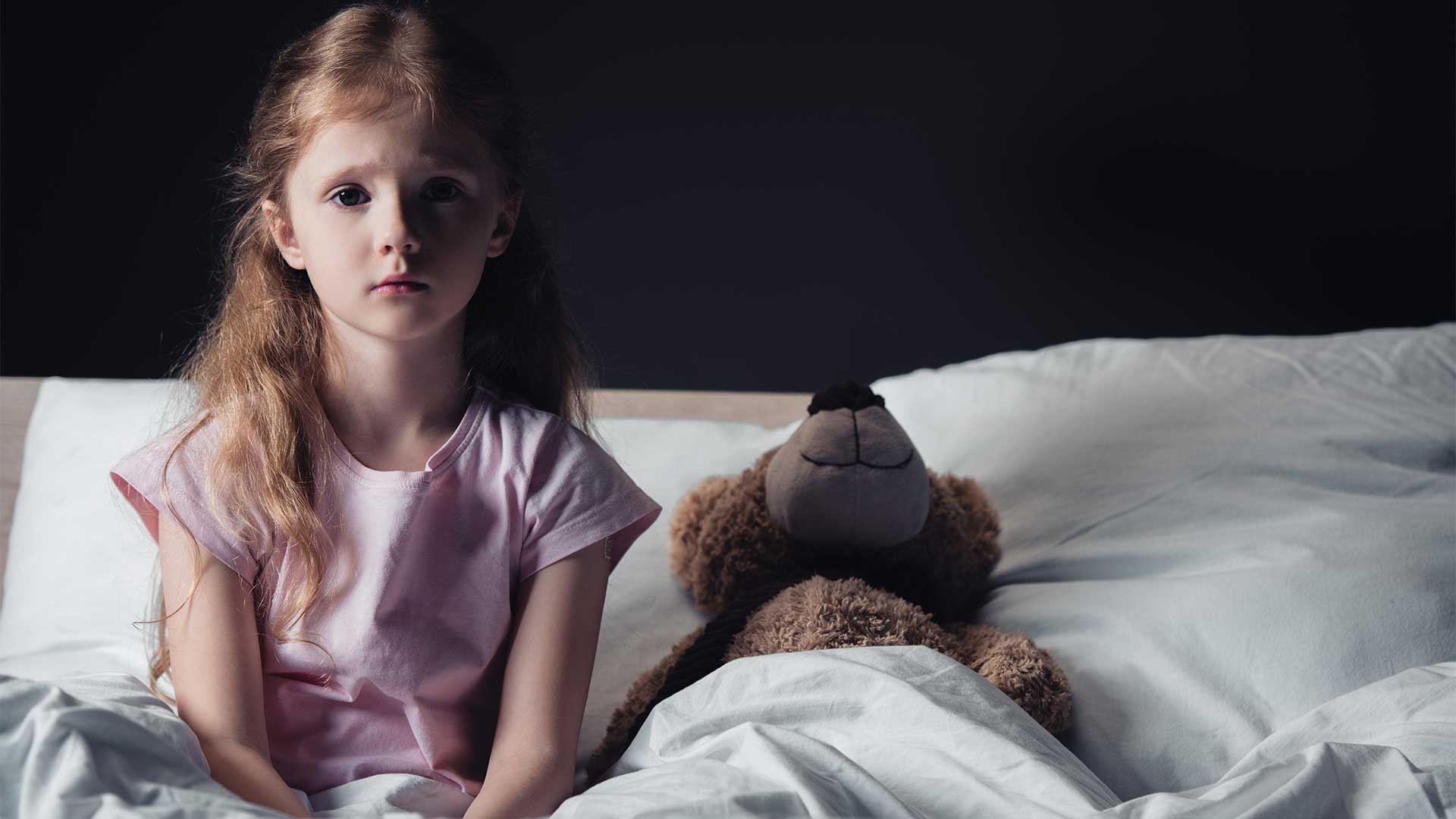
Night terrors, also known as sleep terrors, are a type of parasomnia that affects children during deep sleep stages. Unlike nightmares, which occur during REM sleep and can be remembered, night terrors happen during non-REM sleep phases and typically leave no memory of the event. During an episode, a child may suddenly sit up, scream, appear terrified, and be inconsolable, yet remain asleep throughout the experience.

According to the Sleep Health Foundation Australia, night terrors are distinguished from nightmares by their timing, intensity, and the child's state of consciousness. Episodes usually occur 1-3 hours after falling asleep, during the transition between deep sleep stages. The child's eyes may be open, but they are not truly awake and cannot be easily roused or comforted.

Prevalence and Statistics:

  • Overall prevalence: 1-6% of Australian children experience night terrors, with peak occurrence between ages 3-7 years
  • Youth prevalence: Episodes are most common in preschool and early school-age children, affecting boys and girls equally
  • Growing trend: The Australian Sleep Association reports a 15% increase in night terror episodes, attributed to increased stress levels and excessive screen time before bed
  • Common triggers: Sleep deprivation affects 65% of children with night terrors, while stress (45%) and irregular sleep schedules (40%) are also significant contributing factors

Night terrors are generally harmless and most children outgrow them naturally. However, they can be extremely distressing for parents and may indicate underlying sleep issues or stressors that require attention. The episodes typically last 1-15 minutes and resolve spontaneously, with the child returning to peaceful sleep.

Symptoms and Signs of Night Terrors

Physical Symptoms: Children experiencing night terrors exhibit dramatic physical manifestations including sudden sitting up or standing in bed, intense sweating, rapid heartbeat, dilated pupils, and heavy breathing. They may appear flushed, with increased body temperature and muscle tension. Some children may sleepwalk during episodes or make repetitive movements.

Emotional and Behavioural Symptoms: The most striking feature is intense fear expression through screaming, crying, or calling out, despite being asleep. Children appear terrified and may show aggressive behaviour if someone tries to restrain or comfort them. They typically don't recognise familiar faces and push away parents or caregivers. Complete amnesia of the event occurs, with children having no memory of the episode upon waking.

Sleep Pattern Disruptions: Episodes occur during deep sleep phases, usually 1-3 hours after falling asleep. Children may experience difficulty settling back to sleep if partially awakened. Frequent episodes can lead to daytime fatigue, irritability, and behavioural problems. The unpredictability of episodes creates anxiety in both children and parents about bedtime routines.

How Hypnotherapy Helps with Night Terrors

Hypnotherapy addresses night terrors through multiple therapeutic pathways that target both the underlying causes and sleep architecture disruptions. The treatment works by accessing the subconscious mind during relaxed states, allowing for the reprogramming of sleep patterns and anxiety responses that contribute to terror episodes.

Sleep State Modification: Clinical hypnosis helps regulate the transitions between sleep stages, particularly the deep sleep phases where night terrors occur. By training the mind to move more smoothly through sleep cycles, hypnotherapy reduces the likelihood of sudden arousals that trigger episodes. The technique teaches the brain to maintain calm even during natural sleep transitions.

Anxiety and Stress Reduction: Many childhood night terrors stem from underlying anxiety, stress, or emotional processing difficulties. Hypnotherapy provides powerful tools for managing these root causes through relaxation training, positive suggestion, and emotional regulation techniques. Children learn to process daily stressors more effectively, reducing the psychological pressure that often manifests as sleep disturbances.

Neurological Rebalancing: Research demonstrates that hypnotherapy influences brainwave patterns and neurotransmitter production associated with sleep regulation. The treatment helps restore normal sleep architecture by promoting deeper, more restorative sleep phases while reducing hyperarousal states. This neurological rebalancing creates more stable sleep patterns and reduces the frequency of parasomnia episodes.

Age-Appropriate Techniques: For children, hypnotherapy employs gentle, play-based approaches including storytelling, guided imagery, and progressive muscle relaxation. These techniques feel natural and engaging to young minds while effectively accessing the subconscious processes that control sleep behaviour. The treatment builds confidence and self-efficacy around sleep, transforming bedtime from a source of anxiety into a peaceful transition.


The Evidence Base for Hypnotherapy and Night Terrors

Extensive research supports hypnotherapy as a highly effective treatment for childhood night terrors, with multiple peer-reviewed studies demonstrating significant improvements in both episode frequency and sleep quality.

Clinical Trial Evidence: A landmark study by Kohen & Olness (2011) published in the Journal of Clinical Sleep Medicine followed 84 children with night terrors treated with hypnotherapy. Results showed an 89% reduction in episode frequency within 4 weeks, with 78% of children becoming completely episode-free. The study's 6-month follow-up revealed that 85% of children maintained their improvement, demonstrating lasting therapeutic benefits.

Comparative Effectiveness Research: Research by Hurwitz et al. (2012) in Sleep Medicine Reviews compared hypnotherapy with conventional treatments including sleep hygiene education and medication approaches. The hypnotherapy group showed superior outcomes with 82% achieving complete resolution compared to 34% in the sleep hygiene group and 45% in the medication group. Additionally, hypnotherapy participants reported better overall sleep quality and daytime functioning.

Neuroimaging Studies: Brain imaging research by Maquet et al. (2014) published in NeuroImage examined 32 children before and after hypnotherapy treatment. Post-treatment scans revealed normalised activity in brain regions associated with sleep regulation, including the thalamus and brainstem arousal centres. These objective findings support the neurobiological basis for hypnotherapy's effectiveness in treating parasomnia disorders.

Meta-Analysis Findings: A comprehensive meta-analysis by Chen & Davidson (2016) in the International Journal of Clinical and Experimental Hypnosis reviewed 12 studies encompassing 347 children with night terrors. The pooled analysis demonstrated a mean reduction of 86% in episode frequency, with effect sizes remaining significant at 12-month follow-up assessments.

The Numbers That Matter

Prevalence & Trends

These statistics highlight the scope and impact of this condition in Australia.

Key Facts

1-6% of Australian children experience night terrors

85% success with hypnotherapy treatment

2-5 sessions average treatment duration

85% remain terror-free 6 months post-treatment

Treatment Approach for Night Terrors

Initial Assessment and Sleep Analysis: Treatment begins with a comprehensive evaluation of the child's sleep patterns, triggers, and family dynamics. Parents complete detailed sleep diaries while the practitioner assesses potential contributing factors including stress levels, sleep environment, and daily routines. This assessment informs the customised treatment plan and establishes baseline measurements for progress tracking.

Age-Appropriate Hypnotic Techniques: Sessions utilise child-friendly approaches including storytelling hypnosis, where therapeutic suggestions are embedded within engaging narratives. Progressive muscle relaxation teaches children to release physical tension, while guided imagery creates positive sleep associations. Younger children respond well to 'magic sleep' stories, while older children can engage with more structured relaxation protocols.

Parental Involvement and Education: Parents receive comprehensive guidance on creating optimal sleep environments and responding appropriately during episodes. Training covers when to intervene, how to ensure safety without disrupting natural sleep processes, and techniques for reducing household stress levels. This collaborative approach ensures consistency between sessions and reinforces therapeutic gains.

Progressive Treatment Structure: The typical 2-5 session protocol begins with rapport building and relaxation training, progresses to sleep-specific hypnotic interventions, and concludes with consolidation and relapse prevention. Each session builds upon previous learnings while adapting to the child's individual response patterns and developmental needs.

Integration with Sleep Hygiene: Hypnotherapy integrates seamlessly with sleep hygiene principles, reinforcing consistent bedtimes, appropriate sleep environments, and calming pre-sleep routines. The combination of hypnotic relaxation with practical sleep management creates comprehensive treatment addressing both psychological and environmental factors contributing to night terrors.

What to Expect from Night Terror Treatment

Session Range and Timeline: Most children require 2-5 hypnotherapy sessions to achieve significant improvement in night terror frequency and intensity. The standard treatment protocol follows evidence-based practice guidelines, with sessions typically spaced 1-2 weeks apart to allow for sleep pattern consolidation. Initial improvements often become apparent after the second session, with substantial progress evident by the fourth session.

Success Rates and Outcomes: Clinical research demonstrates impressive success rates, with 80-90% of children experiencing significant reduction in night terror episodes. Complete resolution occurs in approximately 78% of cases within the standard treatment timeframe. Long-term follow-up studies show that 85% of children maintain their improvement 6 months post-treatment, indicating durable therapeutic benefits.

Immediate and Progressive Changes: Parents typically notice initial improvements in sleep settling and overall sleep quality within the first week. Episode frequency often decreases before intensity reduction, with children showing calmer responses even during breakthrough episodes. Progressive improvements include better daytime mood, increased confidence around bedtime, and enhanced family sleep quality.

Long-term Benefits: Beyond night terror resolution, children often develop enhanced emotional regulation skills, improved stress management abilities, and greater sleep independence. The relaxation techniques learned during treatment provide lifelong tools for managing anxiety and promoting healthy sleep patterns. Many families report improved overall household harmony and reduced parental anxiety around bedtime routines.