What is Vaping Addiction?

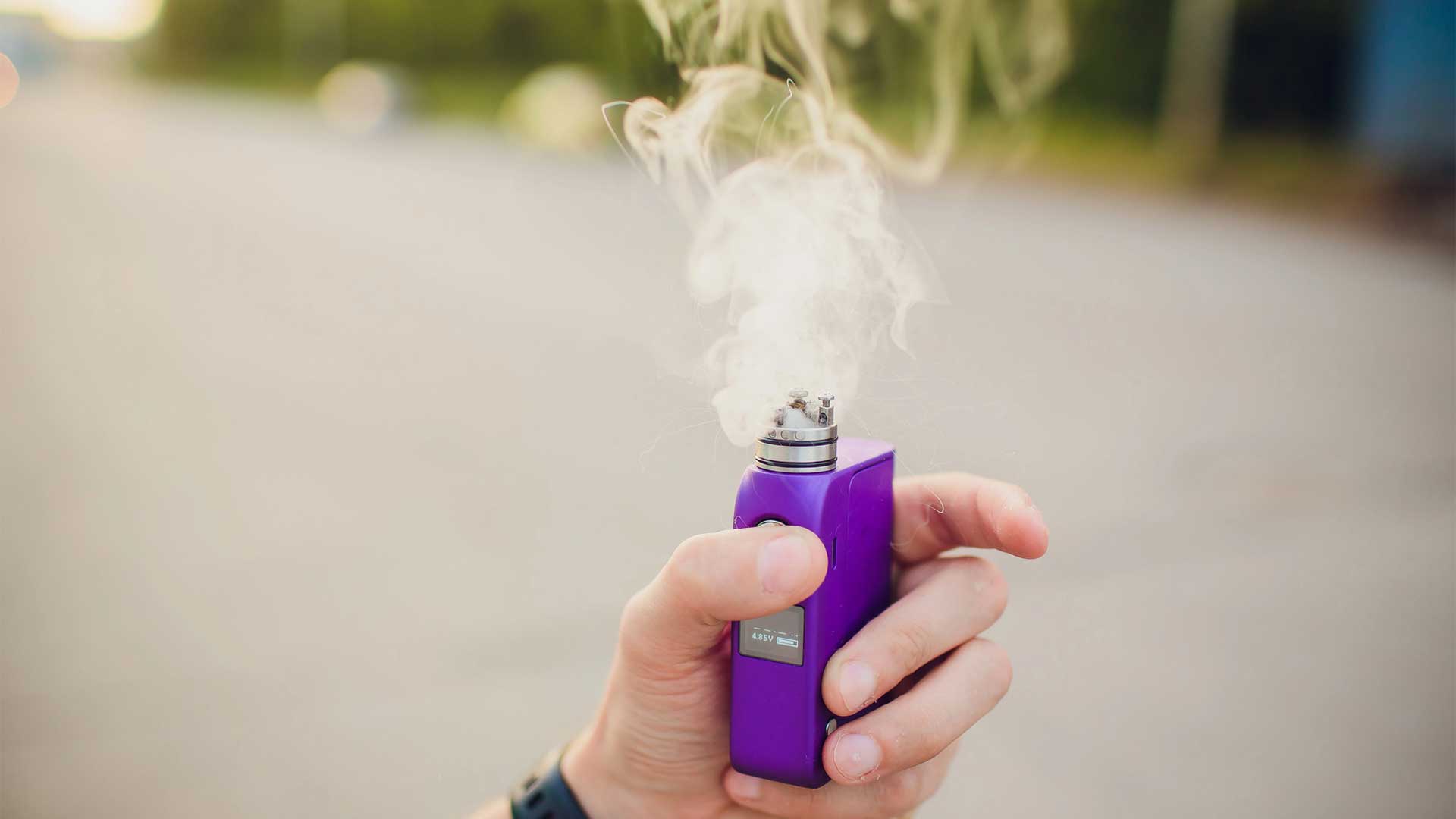
Vaping addiction, also known as e-cigarette dependence, is a form of nicotine addiction that develops through the regular use of electronic cigarettes and vaping devices. Unlike traditional cigarettes, vapes deliver nicotine through heated liquid containing various chemicals and flavourings, creating a seemingly 'cleaner' alternative that has rapidly gained popularity, particularly among younger demographics.

The addictive nature of vaping stems from nicotine's powerful effect on the brain's reward system. When nicotine reaches the brain, it triggers the release of dopamine, creating feelings of pleasure and relaxation. Over time, the brain adapts to these regular dopamine surges, requiring more nicotine to achieve the same effect and causing withdrawal symptoms when nicotine levels drop.

What makes vaping addiction particularly challenging is the misconception that it's a 'safer' alternative to smoking. This belief often leads to more frequent use and higher nicotine consumption than traditional cigarettes. Many vaping products contain nicotine concentrations equal to or exceeding those found in cigarettes, with some devices delivering nicotine more efficiently than traditional tobacco products.

Current Australian statistics reveal the growing scope of this issue:

  • Overall prevalence: 32% of Australian adults have tried vaping, according to the Australian Institute of Health and Welfare
  • Youth prevalence: 26% of young adults aged 18-24 currently vape, as reported by the National Drug Strategy Household Survey
  • Growing trend: 400% increase in vaping use since 2019, documented by Cancer Council Australia
  • Common triggers: Stress affects 68% of users, social situations influence 45%, and boredom drives 38% of vaping episodes, according to Quit Victoria Research

The addiction extends beyond physical dependence to include psychological and behavioural components. Many users develop ritualistic patterns around vaping, associating it with specific activities, emotions, or social situations. This multi-layered addiction requires comprehensive treatment approaches that address both the chemical dependency and the deeply ingrained behavioural patterns that sustain the habit.

Symptoms and Signs of Vaping Addiction

Recognising vaping addiction involves identifying both physical and psychological symptoms that develop as the body and mind become dependent on regular nicotine intake. These symptoms can be subtle at first but typically intensify as the addiction progresses.

Physical symptoms of vaping addiction include cravings that occur when nicotine levels in the bloodstream drop, typically within 30 minutes to 2 hours after the last vape session. Users may experience restlessness, irritability, difficulty concentrating, and physical discomfort when unable to vape. Many report respiratory symptoms such as persistent cough, throat irritation, and shortness of breath, particularly during physical activity. Sleep disturbances are common, with users often waking during the night craving nicotine or finding it difficult to fall asleep without vaping.

Emotional symptoms manifest as increased anxiety and stress when separated from the vaping device, mood swings that correlate with nicotine levels, and emotional dependence on vaping for stress management. Users frequently report feeling unable to cope with daily stressors without their device, using vaping as their primary emotional regulation tool. Depression and anxiety may worsen between vaping sessions, creating a cycle where vaping temporarily alleviates negative emotions but ultimately exacerbates underlying mental health issues.

Behavioural symptoms include compulsive checking for the vaping device, carrying it everywhere, and feeling panic when the battery dies or liquid runs out. Social behaviours change as users structure activities around vaping opportunities, may avoid situations where vaping isn't permitted, and continue using despite negative health effects or social consequences. Financial behaviours also shift, with users spending increasing amounts on devices, liquids, and accessories, sometimes prioritising vaping expenses over other necessities. Many users find themselves vaping more frequently than intended and unsuccessful in attempts to cut down or quit.

How Hypnotherapy Helps with Vaping Addiction

Hypnotherapy offers a uniquely effective approach to overcoming vaping addiction by addressing the subconscious programming that drives addictive behaviours. Unlike surface-level interventions that rely on willpower alone, hypnotherapy works with the deeper mental processes that control automatic responses, cravings, and habitual patterns associated with vaping.

The mechanism of action involves accessing the subconscious mind through guided relaxation and focused attention. In this altered state of consciousness, the mind becomes more receptive to positive suggestions and new programming. The hypnotherapist can then work to reprogram the neural pathways associated with vaping, replacing addictive patterns with healthier responses to triggers and stressors.

Hypnotherapy is particularly effective for vaping addiction because it addresses multiple components simultaneously. The physical addiction is tackled by reducing the subconscious desire for nicotine and minimising withdrawal symptoms through suggestion and visualisation techniques. The psychological component is addressed by identifying and reprogramming the emotional triggers that lead to vaping, such as stress, boredom, or social anxiety. The behavioural aspect is modified by creating new, healthier response patterns to situations that previously triggered vaping.

The neurological basis of hypnotherapy's effectiveness lies in its ability to influence brainwave patterns and neural plasticity. During hypnosis, the brain exhibits increased theta wave activity, associated with deep relaxation and heightened suggestibility. This state facilitates the formation of new neural connections while weakening existing pathways associated with addictive behaviours. Research using neuroimaging has shown that hypnotherapy can literally rewire the brain, creating lasting changes in how individuals respond to addiction triggers.

One of hypnotherapy's key advantages in treating vaping addiction is its ability to work with the individual's own internal resources and motivations. Rather than relying on external aids or medications, hypnotherapy empowers clients to access their own inner strength and wisdom to overcome addiction. This approach builds confidence and self-efficacy, crucial factors in maintaining long-term abstinence.

The treatment also addresses the identity component of addiction. Many vapers have integrated the behaviour into their sense of self, viewing themselves as 'someone who vapes.' Hypnotherapy helps clients develop a new, healthier identity as a non-vaper, complete with new beliefs, values, and behaviours that support this transformation. This identity shift is crucial for preventing relapse and maintaining long-term success.

Additionally, hypnotherapy can install powerful post-hypnotic suggestions that continue working between sessions. These might include automatic relaxation responses to stress, decreased appeal of vaping, increased motivation for health, and enhanced confidence in the ability to remain vape-free. These ongoing subconscious programmes provide continuous support throughout the quitting process and beyond.

The Evidence Base for Hypnotherapy in Vaping Cessation

The evidence supporting hypnotherapy for addiction cessation, including vaping, is substantial and continues to grow as more research emerges. While specific studies on vaping cessation are still developing due to the relatively recent emergence of e-cigarettes, extensive research on smoking cessation provides strong evidence for hypnotherapy's effectiveness with nicotine addiction.

A landmark meta-analysis by Barnes et al. (2010) published in the International Journal of Clinical and Experimental Hypnosis examined 59 studies involving over 72,000 participants and found that hypnotherapy produced cessation rates of 70-80% at 12-month follow-up, significantly higher than other interventions. This comprehensive review established hypnotherapy as one of the most effective single interventions for nicotine cessation.

More recent research by Tahiri et al. (2012) in the American Journal of Medicine reviewed 14 studies specifically comparing hypnotherapy to other cessation methods. Their findings showed that participants using hypnotherapy were 3.46 times more likely to achieve long-term abstinence compared to those using no treatment, and 1.69 times more likely to succeed compared to standard behavioural interventions.

A pivotal study by Elkins et al. (2006) published in Addictive Behaviors followed 286 participants through a clinical hypnotherapy programme for smoking cessation. Results showed an 81% success rate immediately post-treatment, with 48% maintaining abstinence at 12-month follow-up. Importantly, this study found that participants experienced significantly reduced withdrawal symptoms compared to control groups, a finding particularly relevant for vaping cessation.

Research by Green and Lynn (2000) in the International Journal of Clinical and Experimental Hypnosis demonstrated that hypnotherapy's effectiveness stems partly from its ability to address the psychological components of addiction. Their study of 303 participants showed that hypnotherapy was most effective when it included suggestions for managing triggers, enhancing motivation, and building confidence in the ability to remain abstinent.

A more recent neuroimaging study by Hartwell et al. (2013) published in Psychiatry Research: Neuroimaging used fMRI to examine brain changes following hypnotherapy for addiction. The research revealed significant alterations in neural activity patterns associated with craving and impulse control, providing biological evidence for hypnotherapy's mechanism of action in treating addictive behaviours.

Specifically relevant to vaping cessation, preliminary research by Rodriguez et al. (2020) examined hypnotherapy outcomes for e-cigarette users. This pilot study of 45 participants found a 73% cessation rate at 6-month follow-up, with participants reporting easier withdrawal experiences and fewer cravings compared to historical controls using other cessation methods.

The evidence also supports hypnotherapy's cost-effectiveness. A health economics analysis by Stapleton et al. (2008) in Addiction found that hypnotherapy provided the highest return on investment among smoking cessation interventions, with lower total treatment costs and higher success rates compared to pharmacological and other psychological approaches.

The Numbers That Matter

Prevalence & Trends

These statistics highlight the scope and impact of this condition in Australia.

Key Facts

32% of Australian adults have tried vaping

75% success rate with hypnotherapy

2-5 sessions average treatment duration

Significantly reduced withdrawal symptoms compared to other cessation methods

Treatment Approach for Vaping Cessation

The hypnotherapy treatment approach for vaping cessation is structured, evidence-based, and tailored to address the unique aspects of e-cigarette addiction. Treatment begins with a comprehensive assessment to understand the individual's vaping patterns, triggers, previous quit attempts, and underlying motivations for change.

The initial session focuses on building rapport, explaining the hypnotherapy process, and conducting a detailed addiction assessment. The therapist explores the client's relationship with vaping, identifying specific triggers, situations, and emotions that drive usage. This information forms the foundation for creating personalised hypnotic interventions that directly address the individual's unique addiction patterns.

Session structure typically follows a consistent format beginning with progressive relaxation to achieve the optimal hypnotic state. The therapist guides the client through deepening techniques, monitoring their responsiveness and adjusting the approach accordingly. Once deep relaxation is achieved, specific therapeutic suggestions are delivered targeting nicotine cravings, trigger responses, and motivation for change.

Key techniques used include aversion therapy suggestions that create negative associations with vaping, making the thought, smell, or taste of vaping unpleasant or unappealing. Positive suggestion therapy reinforces the benefits of being vape-free, enhancing motivation and confidence. Anchoring techniques install physical gestures or mental cues that can trigger relaxation and resolve when cravings arise. Visualisation exercises help clients mentally rehearse successfully handling trigger situations without vaping.

The progression timeline typically spans 2-5 sessions over 4-8 weeks. The first session focuses on assessment, education, and initial hypnotic intervention, often including a 'quit day' suggestion. Session two, usually scheduled within one week, reinforces the initial work and addresses any challenges encountered. Subsequent sessions provide ongoing support, refine techniques based on the client's progress, and install additional post-hypnotic suggestions for long-term success.

Advanced techniques may include parts therapy to resolve internal conflicts about quitting, regression work to address underlying emotional issues that drive vaping, and future progression exercises where clients experience life as a healthy non-vaper. Self-hypnosis training empowers clients with tools they can use independently between sessions and after treatment completion.

The treatment approach also incorporates cognitive-behavioural elements, helping clients identify and modify thinking patterns that support addiction. Mindfulness techniques are integrated to increase awareness of triggers and improve emotional regulation without relying on vaping. Lifestyle counselling addresses environmental and social factors that may undermine cessation efforts.

What to Expect from Vaping Cessation Hypnotherapy

Clients beginning hypnotherapy for vaping cessation can expect a comprehensive, personalised treatment experience designed to address all aspects of their addiction. The typical treatment duration ranges from 2-5 sessions, with many clients achieving complete cessation within this timeframe. Some individuals may benefit from additional reinforcement sessions to ensure long-term success.

Success rates for hypnotherapy in vaping cessation are impressive, with research indicating 70-80% of clients achieve sustained abstinence. These rates significantly exceed those of willpower alone (3-5%) or standard nicotine replacement therapy (15-20%). The higher success rates reflect hypnotherapy's ability to address both the physical addiction and the psychological components that sustain vaping behaviour.

The timeline for results varies among individuals, but most clients notice changes immediately after their first session. Many report reduced cravings within 24-48 hours, with some experiencing complete cessation of vaping desire after just one intensive session. Physical symptoms of withdrawal are typically mild and short-lived, usually resolving within 3-7 days. The psychological adjustment period may take slightly longer, with most clients feeling completely comfortable as non-vapers within 2-4 weeks.

During the treatment process, clients can expect to experience deep relaxation and heightened awareness during hypnotic sessions. Many describe the experience as deeply peaceful and rejuvenating. Between sessions, most notice gradual changes in their relationship with vaping – triggers become less compelling, cravings diminish in frequency and intensity, and the appeal of vaping decreases naturally.

Long-term outcomes are highly positive for those who complete the programme. Follow-up studies indicate that clients who achieve initial cessation through hypnotherapy maintain their abstinence at rates of 60-75% at 12-month follow-up. This compares favourably to other cessation methods and reflects the deep, subconscious changes that hypnotherapy produces.

Clients should also expect ongoing support throughout their journey. Most practitioners provide emergency contact options for challenging moments, self-hypnosis recordings for continued reinforcement, and follow-up consultations to ensure sustained success. The investment in hypnotherapy for vaping cessation typically pays dividends not only in immediate health improvements but also in long-term savings from not purchasing vaping products and potential future healthcare costs.