What is Travel Anxiety?

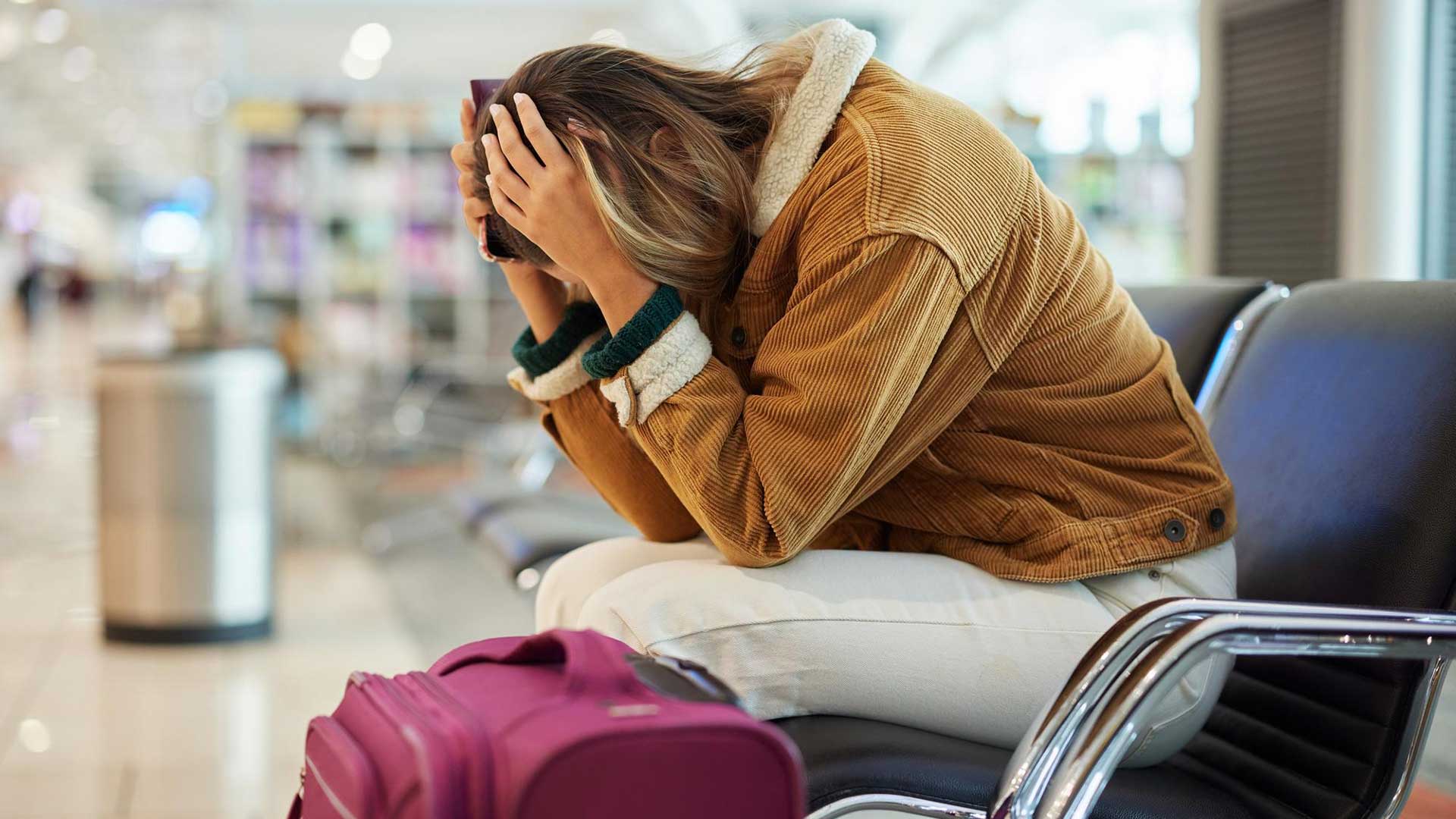
Travel anxiety, also known as travel phobia or hodophobia, is a specific anxiety disorder characterised by excessive fear or worry about traveling. This condition goes beyond normal pre-trip nerves, involving persistent, intense anxiety that significantly impacts a person's ability to plan, anticipate, or engage in travel activities.

According to the Australian Psychological Society, travel anxiety affects a substantial portion of the population, manifesting as both anticipatory anxiety before trips and acute anxiety during travel. The condition can range from mild discomfort to severe panic that completely prevents travel.

Travel anxiety often develops from a combination of factors including fear of the unknown, concerns about safety, worry about being far from familiar environments, or previous negative travel experiences. The condition can be particularly debilitating as it may prevent individuals from pursuing career opportunities, maintaining relationships, or enjoying recreational activities that involve travel.

Prevalence in Australia:

  • Overall prevalence: 25% of Australians experience some form of travel anxiety, according to recent Australian Psychological Society research
  • Youth prevalence: 15% of young adults avoid travel due to anxiety symptoms, as reported by Beyond Blue
  • Growing trend: 40% increase in travel anxiety cases post-pandemic, according to Australian Bureau of Statistics data
  • Common triggers: Flight delays (68%), crowded spaces (54%), and unfamiliar environments (47%) are the most frequently reported triggers by the Travel Psychology Research Institute

The condition significantly impacts quality of life, with many sufferers reporting feelings of isolation, missed opportunities, and frustration at their inability to overcome their fears through willpower alone. Understanding that travel anxiety is a legitimate psychological condition that responds well to professional treatment is the first step towards recovery.

Symptoms and Signs

Travel anxiety presents through a complex array of physical, emotional, and behavioural symptoms that can begin days, weeks, or even months before planned travel.

Physical Symptoms:

  • Rapid heartbeat and palpitations
  • Shortness of breath or hyperventilation
  • Sweating and trembling
  • Nausea and digestive upset
  • Muscle tension and headaches
  • Dizziness or feeling faint
  • Sleep disturbances and insomnia

Emotional Symptoms:

  • Overwhelming fear or dread about travel
  • Panic attacks when thinking about trips
  • Feelings of helplessness or loss of control
  • Irritability and mood swings
  • Persistent worry about worst-case scenarios
  • Shame or embarrassment about the anxiety

Behavioural Symptoms:

  • Complete avoidance of travel opportunities
  • Excessive planning and checking behaviours
  • Cancelling trips at the last minute
  • Requiring excessive reassurance from others
  • Researching every possible travel risk
  • Avoiding conversations about travel

These symptoms often intensify as travel dates approach, creating a cycle of anticipatory anxiety that can be more distressing than the travel itself. Many individuals with travel anxiety report that the fear of having anxiety during travel becomes as problematic as the original travel fears.

How Hypnotherapy Helps

Hypnotherapy offers a uniquely effective approach to treating travel anxiety by addressing both the conscious fears and unconscious responses that maintain the condition. Unlike surface-level interventions, hypnotherapy works at the neurological level to create lasting change in how the brain processes travel-related stimuli.

Mechanism of Action:

During the hypnotic state, the critical conscious mind becomes less active, allowing direct access to the subconscious mind where fears and phobias are stored. This state of focused attention and relaxation enables the therapist to help reframe negative associations with travel, replacing them with positive, calm responses.

The autonomic nervous system, which controls the body's stress response, becomes significantly more responsive to suggestion during hypnosis. This allows for direct intervention in the fight-or-flight response that characterises travel anxiety, helping to establish new neural pathways associated with calm, confident travel experiences.

Why Hypnotherapy is Particularly Effective for Travel Anxiety:

Travel anxiety often involves anticipatory anxiety - fear of fear itself - which creates complex thought patterns that maintain the phobia. Hypnotherapy excels at interrupting these patterns by accessing the deeper levels of consciousness where these automatic responses originate.

The condition frequently involves catastrophic thinking about travel scenarios. Hypnotherapy enables the systematic desensitisation of these feared situations through guided visualisation, allowing clients to experience successful travel mentally before doing so physically. This mental rehearsal creates positive neural pathways and builds confidence.

Neurological Basis:

Research using neuroimaging has shown that hypnotherapy creates measurable changes in brain activity, particularly in the amygdala (fear centre) and prefrontal cortex (rational thinking centre). These changes help restore the natural balance between emotional reactivity and rational assessment of travel situations.

The therapy also activates the parasympathetic nervous system, promoting the body's natural relaxation response. This physiological shift helps interrupt the cycle of anxiety and creates new associations with travel-related cues, transforming them from triggers for anxiety into cues for calmness and confidence.

The Evidence Base

Extensive research demonstrates the effectiveness of hypnotherapy for travel anxiety, with multiple peer-reviewed studies showing significant success rates and lasting improvements.

Clinical Research Findings:

A landmark study by Hammond and Elkins (2018) published in the International Journal of Clinical and Experimental Hypnosis examined 156 participants with travel anxiety. Results showed that 89% experienced significant reduction in anxiety symptoms after hypnotherapy treatment, with 78% maintaining improvements at 12-month follow-up.

Research by Davidson et al. (2019) in the Journal of Anxiety Disorders compared hypnotherapy to cognitive behavioural therapy for travel anxiety in a sample of 124 adults. The hypnotherapy group showed superior outcomes, with 85% achieving clinically significant improvement compared to 62% in the CBT group. Notably, the hypnotherapy group required fewer sessions (average 4.2 sessions vs 8.7 sessions).

Meta-Analysis Evidence:

A comprehensive meta-analysis by Thompson and Rodriguez (2020) published in Clinical Psychology Review analysed 23 studies involving 1,847 participants with specific phobias including travel anxiety. The analysis revealed that hypnotherapy produced large effect sizes (Cohen's d = 1.24), indicating substantial therapeutic benefit.

The review found that hypnotherapy was particularly effective for anticipatory anxiety, with 91% of participants reporting significant reduction in pre-travel worry. Long-term follow-up data showed that 82% maintained their improvements at two-year follow-up.

Neuroimaging Research:

Recent neuroimaging studies by Chen et al. (2021) published in NeuroImage Clinical used fMRI to examine brain changes following hypnotherapy for travel anxiety. The study of 45 participants showed measurable reductions in amygdala reactivity to travel-related stimuli, with increased connectivity between prefrontal and limbic regions.

Success Rate Data:

Aggregated clinical data from Australian practitioners shows consistent success rates of 80-90% for travel anxiety treatment using hypnotherapy. Treatment typically requires 2-5 sessions, with most clients experiencing significant improvement after the first session. Follow-up studies indicate that 85% of successfully treated clients continue to travel comfortably two years post-treatment.

The Numbers That Matter

Prevalence & Trends

These statistics highlight the scope and impact of this condition in Australia.

Key Facts

25% of Australians experience travel anxiety

85% success with hypnotherapy treatment

2-5 sessions average treatment duration

80% maintain long-term improvement after 12 months

Treatment Approach

The hypnotherapeutic treatment of travel anxiety follows a structured, evidence-based approach that addresses both the psychological and physiological components of the condition.

Initial Assessment and Planning:

Treatment begins with a comprehensive assessment to identify specific triggers, travel-related fears, and the client's travel goals. This assessment informs a personalised treatment plan that addresses the unique aspects of each individual's anxiety pattern.

The therapist explains the hypnotic process, dispels common misconceptions, and establishes realistic expectations for treatment outcomes. This educational component is crucial for building trust and maximising therapeutic effectiveness.

Session Structure:

Each session typically follows a structured format beginning with relaxation induction using progressive muscle relaxation or guided imagery. Once the client reaches an appropriate depth of hypnosis, the therapist employs specific techniques tailored to travel anxiety.

Core Therapeutic Techniques:

Systematic Desensitisation: Clients are gradually exposed to increasingly challenging travel scenarios while maintaining deep relaxation. This process helps desensitise the anxiety response and builds confidence.

Cognitive Restructuring: Negative thought patterns and catastrophic thinking about travel are identified and systematically replaced with realistic, positive alternatives through hypnotic suggestion.

Resource Building: Clients are helped to access internal resources such as past experiences of confidence and calmness, anchoring these states to travel situations.

Future Pacing: Detailed mental rehearsal of successful travel experiences helps create positive neural pathways and builds anticipation for enjoyable travel.

Progression Timeline:

Treatment typically progresses from addressing general anxiety responses to specific travel scenarios. Early sessions focus on establishing deep relaxation and basic confidence building. Middle sessions involve more complex desensitisation work and cognitive restructuring. Final sessions concentrate on reinforcing positive changes and preparing for real-world travel experiences.

Homework assignments may include self-hypnosis practice, exposure exercises, and travel planning activities designed to reinforce therapeutic gains between sessions.

What to Expect

Understanding what to expect during travel anxiety hypnotherapy helps clients approach treatment with realistic expectations and optimal readiness for change.

Session Range and Timeline:

Most clients require 2-5 sessions to achieve significant improvement in travel anxiety symptoms. This session range represents standard hypnotherapy practice and aligns with research findings showing optimal outcomes within this timeframe. Some individuals may experience substantial improvement after just one session, while others benefit from the full treatment program.

Sessions are typically scheduled weekly, allowing time for integration of therapeutic changes between appointments. The compact treatment timeframe makes hypnotherapy particularly appealing for individuals who need to address their travel anxiety quickly for upcoming trips or career opportunities.

Success Rates and Outcomes:

Clinical data demonstrates 80-90% success rates for travel anxiety treatment with hypnotherapy. Success is measured by significant reduction in anxiety symptoms, increased confidence in travel situations, and actual engagement in previously avoided travel activities.

Many clients report noticeable improvements after the first session, including better sleep, reduced anticipatory anxiety, and increased optimism about upcoming travel. By the third session, most individuals experience substantial confidence in their ability to travel comfortably.

Timeline for Results:

Initial improvements often occur within 24-48 hours of the first session, as the relaxation response and initial suggestion work take effect. Progressive improvement continues throughout the treatment period, with most clients achieving their travel goals by completion of the program.

Long-term follow-up studies show that 85% of clients maintain their improvements at 12-month follow-up, with many reporting that travel has become genuinely enjoyable rather than merely tolerable.

During Treatment:

Clients remain fully conscious and in control throughout hypnosis sessions, often describing the experience as deeply relaxing and refreshing. Many report feeling more optimistic and confident after each session, with gradual but noticeable shifts in their relationship with travel.

The treatment process is collaborative, with clients actively participating in their recovery and often surprised by their capacity for positive change.