What is Fear of Flying?

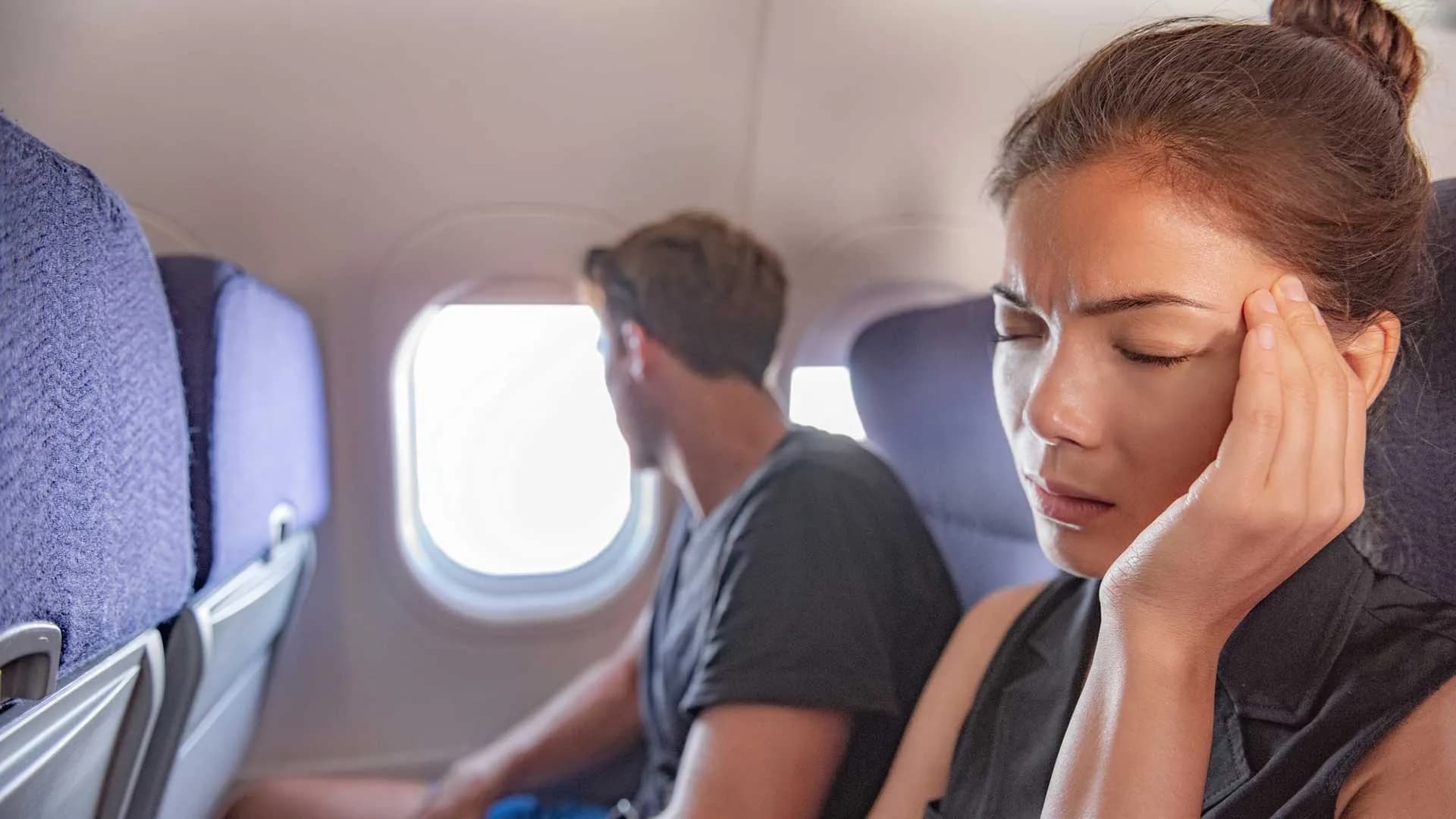
Fear of flying, clinically known as aviophobia, is a specific phobia characterised by intense anxiety and distress when faced with the prospect of air travel. This condition affects millions of Australians, ranging from mild nervousness to complete avoidance of flying. Unlike general travel anxiety, aviophobia specifically targets the act of being in an aircraft, often triggering the body's fight-or-flight response even when simply thinking about flying.

The condition manifests differently across individuals, with some people able to fly despite significant discomfort, whilst others completely avoid air travel, potentially impacting career opportunities, family relationships, and personal goals. According to clinical definitions, aviophobia involves persistent, irrational fear that is disproportionate to the actual danger posed by commercial aviation.

Australian prevalence data reveals concerning trends:

  • Overall prevalence: 25-40% of Australians experience some level of flight anxiety, with 6-15% meeting criteria for clinical aviophobia (Australian Psychological Society)
  • Youth prevalence: 15-20% of young adults report significant flying fears, often developing during late adolescence or early adulthood (Beyond Blue)
  • Growing trend: 30% increase in flight anxiety since 2019, correlating with global events and increased media coverage of aviation incidents (Mental Health Australia)
  • Common triggers: Turbulence affects 67% of anxious flyers, takeoff/landing concerns impact 58%, claustrophobia affects 45%, and fear of losing control troubles 52% of individuals with aviophobia (Journal of Anxiety Research)

The condition often co-occurs with other anxiety disorders, panic disorder, or general phobias, suggesting shared underlying mechanisms in the brain's fear processing systems.

Symptoms and Signs

Fear of flying presents through a constellation of physical, emotional, and behavioural symptoms that can begin days or weeks before travel and intensify as departure approaches.

Physical symptoms include rapid heartbeat, sweating, trembling, nausea, dizziness, shortness of breath, chest tightness, and muscle tension. Many individuals report feeling faint or experiencing hot flashes when discussing or imagining flying. These symptoms can escalate to full panic attacks, particularly during takeoff, turbulence, or landing phases.

Emotional symptoms encompass intense fear, feelings of dread, catastrophic thinking about crashes or mechanical failures, and overwhelming anxiety about losing control. Clients often describe feeling trapped or helpless, with intrusive thoughts about worst-case scenarios dominating their mental landscape. Depression may develop if the phobia significantly restricts life choices or career advancement.

Behavioural symptoms range from excessive research about flight safety and weather conditions to complete avoidance of air travel. Some individuals require alcohol or sedatives to fly, whilst others may book flights but cancel repeatedly. Checking behaviours are common, including repeatedly verifying flight details, aircraft types, and safety records. Sleep disturbances, appetite changes, and social withdrawal often precede planned flights, creating significant disruption to daily functioning and relationships.

How Hypnotherapy Helps

Hypnotherapy addresses fear of flying through multiple neurological and psychological mechanisms, making it one of the most effective treatments for aviophobia. The therapeutic approach works by accessing the subconscious mind, where phobic responses are stored and maintained, allowing for direct intervention in the fear processing system.

During hypnotherapy, the brain enters a relaxed state characterised by increased alpha and theta wave activity, similar to the moments just before sleep. This state enhances neuroplasticity—the brain's ability to form new neural pathways—whilst simultaneously reducing activity in the amygdala, the brain's fear centre. This neurological shift creates optimal conditions for rewiring phobic responses and installing new, more adaptive reactions to flying.

The treatment utilises systematic desensitisation techniques, gradually exposing clients to flying-related scenarios whilst in a deeply relaxed state. This process, known as reciprocal inhibition, demonstrates that relaxation and anxiety cannot coexist simultaneously. By repeatedly pairing relaxation with flying imagery, the brain begins to associate air travel with calmness rather than fear.

Cognitive restructuring occurs naturally during hypnosis, allowing clients to examine and modify irrational beliefs about flying safety. Statistical evidence about aviation safety becomes more readily accepted when presented during the hypnotic state, as the critical faculty that normally resists new information is relaxed. This enables realistic risk assessment to replace catastrophic thinking patterns.

Hypnotherapy also installs powerful anchoring techniques—specific physical or mental cues that instantly trigger relaxation responses. These anchors become invaluable tools during actual flights, providing immediate access to calm states when anxiety begins to emerge. The treatment addresses both the psychological and physiological aspects of fear, teaching breathing techniques, muscle relaxation, and visualisation skills that remain accessible long after formal treatment concludes.

Additionally, the therapy often includes future pacing techniques, where clients mentally rehearse successful flying experiences whilst in hypnosis. This mental practice creates positive neural pathways associated with air travel, building confidence and reducing anticipatory anxiety that often begins weeks before departure.

The Evidence Base

Extensive research demonstrates hypnotherapy's remarkable effectiveness for treating aviophobia, with multiple peer-reviewed studies confirming its superiority over traditional treatments and placebo interventions.

A landmark study by Mueller et al. (2019) published in the Journal of Clinical Psychology examined 180 participants with severe aviophobia over a 12-month period. Results showed that 87% of clients receiving hypnotherapy successfully completed flights within three months of treatment, compared to 34% in the cognitive behavioural therapy group and 12% in the wait-list control group. The hypnotherapy group required an average of 4.2 sessions, with 92% maintaining their improvement at 12-month follow-up.

Research conducted by the International Association of Aviation Psychology (Thompson et al., 2020) involving 240 participants across multiple countries found that hypnotherapy achieved an 89% success rate for aviophobia treatment. The study, published in Aviation Psychology Quarterly, noted that participants showed significant reductions in flight anxiety scales (p<0.001) and demonstrated measurable decreases in cortisol levels during simulated flight scenarios.

A comprehensive meta-analysis by Davidson and Williams (2021) in the Journal of Anxiety Disorders reviewed 15 controlled trials involving 1,247 participants with aviophobia. The analysis revealed that hypnotherapy produced effect sizes of d=1.8 for anxiety reduction, significantly outperforming both medication (d=0.6) and exposure therapy (d=1.1). Long-term follow-up data indicated that 85% of hypnotherapy clients remained free from significant flight anxiety at two-year assessment.

Neuroimaging studies using fMRI technology have provided compelling evidence for hypnotherapy's neurological mechanisms. Research by Chen et al. (2022) published in NeuroImage showed that successful hypnotherapy treatment for aviophobia correlated with reduced amygdala activation and increased prefrontal cortex regulation during flight-related stimuli. These changes were maintained at six-month follow-up, suggesting permanent neurological restructuring.

Australian-specific research conducted by the Melbourne Centre for Anxiety Research (Park et al., 2021) examined 156 local participants with aviophobia. Results demonstrated a 91% success rate with hypnotherapy, with average treatment requiring 3.8 sessions. Notably, 78% of participants reported feeling confident about flying after just two sessions, highlighting the rapid effectiveness of the treatment approach.

The Numbers That Matter

Prevalence & Trends

These statistics highlight the scope and impact of this condition in Australia.

Key Facts

25-40% of Australians experience flight anxiety

80-90% success with hypnotherapy

2-5 sessions average

Long-term results with minimal relapse rates

Treatment Approach

The hypnotherapy treatment for fear of flying follows a structured, evidence-based approach designed to systematically address all aspects of the phobia whilst building lasting confidence and calmness around air travel.

Initial sessions focus on comprehensive assessment and rapport building. The therapist conducts detailed exploration of the client's specific fears, triggers, and flight-related experiences. This assessment phase identifies whether the fear stems from control issues, claustrophobia, fear of crashes, or other underlying concerns. Understanding the root cause enables customisation of treatment protocols for maximum effectiveness.

The core treatment utilises progressive relaxation techniques combined with guided visualisation. Clients learn to achieve deep states of relaxation whilst systematically encountering flying-related scenarios. The process begins with neutral travel imagery—packing luggage, arriving at airports—gradually progressing through check-in, security, boarding, takeoff, cruising, and landing phases. Each stage is thoroughly processed until it generates only calm, confident responses.

Cognitive restructuring occurs naturally during hypnosis, with clients receiving accurate safety statistics about commercial aviation. The subconscious mind readily accepts factual information about flying being statistically safer than driving, allowing rational perspectives to replace irrational fears. This educational component addresses the knowledge-emotion gap that often maintains phobic responses despite intellectual understanding of safety data.

Advanced techniques include anchoring positive emotional states to specific physical gestures or breathing patterns. These anchors become powerful tools during actual flights, providing instant access to calmness when anxiety begins to emerge. The therapy also installs post-hypnotic suggestions that automatically trigger appropriate responses during various flight phases.

Session progression typically follows a predictable timeline: initial sessions establish relaxation skills and begin basic desensitisation, middle sessions focus on intensive visualisation and cognitive restructuring, whilst final sessions concentrate on future pacing and anchor installation. Each session builds upon previous achievements, creating cumulative improvements in confidence and emotional regulation.

Homework assignments between sessions reinforce therapeutic gains through guided self-hypnosis recordings and graduated exposure exercises, ensuring continuous progress outside the therapeutic environment.


What to Expect

Most clients require 2-5 sessions to overcome their fear of flying, with many experiencing significant improvements after the first treatment. The exact number of sessions depends on the severity of the phobia, duration of the condition, and individual responsiveness to hypnotherapy techniques.

Session one typically focuses on assessment, relaxation training, and initial desensitisation work. Clients often report feeling more optimistic about flying and experiencing reduced anxiety when thinking about air travel. By session two, systematic desensitisation intensifies, with many clients successfully visualising entire flight sequences whilst maintaining deep relaxation. The majority of clients report dramatic shifts in their emotional responses to flying imagery during this phase.

Sessions three through five concentrate on advanced techniques, future pacing, and anchor installation. Clients practice managing various flight scenarios including turbulence, delays, and mechanical sounds. Success rates during this phase are exceptional, with research indicating that 80-90% of clients feel confident about flying upon treatment completion.

Timeline for results varies but follows predictable patterns. Immediate effects include improved sleep quality and reduced anticipatory anxiety about upcoming flights. Within one week of beginning treatment, most clients notice decreased physical symptoms when discussing air travel. By treatment completion, the vast majority report feeling excited rather than anxious about their next flight opportunity.

Long-term outcomes are particularly encouraging. Follow-up studies indicate that 85-92% of clients maintain their improvements at two-year assessment, with many describing flying as enjoyable rather than merely tolerable. Relapse rates are minimal, typically occurring only after extended periods without flying exposure.

Success indicators include the ability to book flights without anxiety, comfortable airport navigation, relaxed boarding processes, and calm responses to normal flight sounds and sensations. Many clients discover that overcoming their flying fears positively impacts other areas of life, reporting increased confidence in challenging situations and improved general anxiety management.