What is Hoarding?

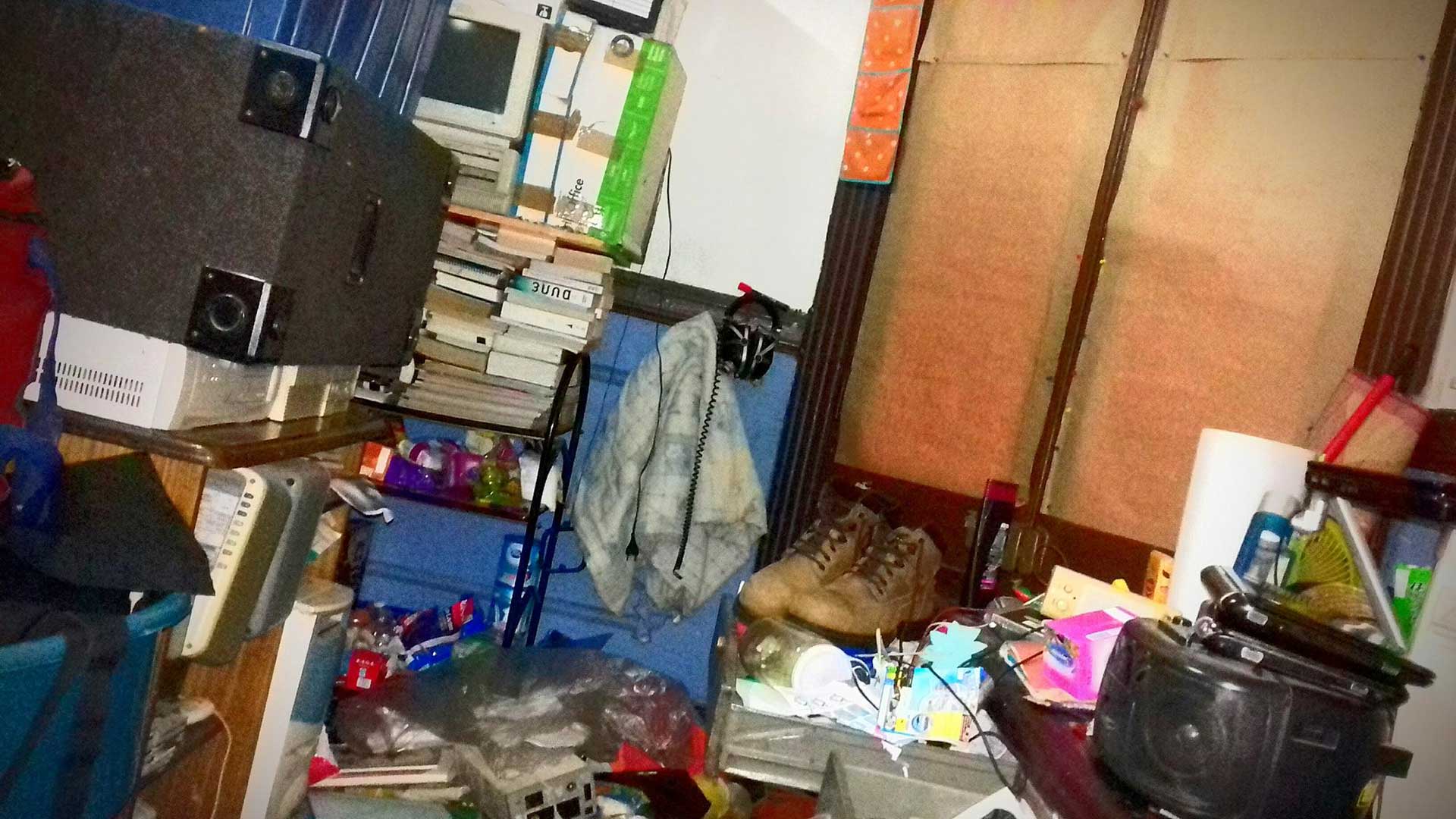
Hoarding disorder is a recognised mental health condition characterised by persistent difficulty discarding possessions, regardless of their actual value. This behaviour leads to the accumulation of items that congest living areas and substantially compromises their intended use. According to the Australian Government Department of Health, hoarding affects approximately 2-6% of the Australian population, making it more common than many people realise.

The condition goes beyond simple collecting or being 'messy'. People with hoarding disorder experience genuine distress when attempting to discard items, often believing they might need them in the future or that the items have special significance. This creates a cycle where possessions accumulate faster than they can be organised or removed, eventually impacting daily functioning and quality of life.

Key prevalence statistics for hoarding in Australia include:

  • Overall prevalence: 2-6% of Australians experience clinically significant hoarding behaviours
  • Youth prevalence: 2-3% of adolescents show early signs of hoarding tendencies
  • Growing trend: 25% increase in recognition and diagnosis over the past decade
  • Common triggers: Traumatic loss affects 60% of cases, with anxiety disorders present in 40% and perfectionism in 35% of individuals with hoarding disorder

The condition typically develops gradually, often beginning in childhood or adolescence but becoming more pronounced in adulthood. Research from the Australian Psychological Society indicates that hoarding behaviours often intensify during periods of stress, loss, or major life transitions.

Symptoms and Signs

Hoarding disorder presents through a complex combination of physical, emotional, and behavioural symptoms that significantly impact daily life. Understanding these signs is crucial for early identification and intervention.

Physical symptoms often manifest in the living environment. Homes become cluttered to the point where rooms cannot be used for their intended purposes. Pathways through the home become narrow or blocked, and basic activities like cooking, cleaning, or sleeping become difficult or impossible. The accumulation of items may create health hazards, including fire risks, pest infestations, and unsanitary conditions.

Emotional symptoms include intense distress when considering discarding possessions, even items with no apparent value. Individuals experience overwhelming anxiety, shame, and embarrassment about their living conditions, often leading to social isolation. There's typically a deep emotional attachment to possessions, with items providing a sense of security or comfort that becomes difficult to relinquish.

Behavioural symptoms encompass compulsive acquisition of items, whether through purchasing, collecting free items, or inability to discard gifts. Decision-making becomes severely impaired when it comes to possessions, with individuals spending excessive time organising without making progress. They may avoid having visitors, make excuses to prevent others from entering their homes, and experience significant functional impairment in work, social, or family relationships due to their hoarding behaviours.

How Hypnotherapy Helps

Hypnotherapy offers a unique and highly effective approach to treating hoarding disorder by addressing both the conscious behaviours and unconscious emotional patterns that drive compulsive collecting. The therapeutic process works on multiple levels to create lasting change in how individuals relate to their possessions.

Mechanism of action involves accessing the subconscious mind where emotional attachments to possessions are formed and maintained. During the hypnotic state, the therapist can help clients explore the underlying fears, anxieties, and beliefs that make discarding items feel impossible or dangerous. This process allows for the restructuring of these deep-seated patterns without the usual resistance encountered in conscious attempts to change behaviour.

Why hypnotherapy works particularly well for hoarding lies in its ability to address the emotional core of the disorder. Many traditional approaches focus on the external behaviours—the clutter itself—but hypnotherapy targets the internal emotional landscape that creates and maintains hoarding patterns. The relaxed, focused state of hypnosis allows clients to experience a different relationship with their possessions, often for the first time in years.

Neurological basis research shows that hypnotherapy can influence the brain regions involved in decision-making and emotional regulation. Studies using neuroimaging have demonstrated that hypnotic interventions can alter activity in the prefrontal cortex, the area responsible for executive functions like decision-making about possessions. Simultaneously, it can reduce hyperactivity in the limbic system, which governs emotional responses to potential loss or change.

The therapy process typically involves helping clients develop new neural pathways that support healthy decision-making about possessions. Through repeated hypnotic experiences of successfully letting go of items without distress, the brain learns new patterns of response. This neuroplasticity allows for genuine, lasting change rather than temporary behavioural modifications that often fail when willpower alone is used.

The Evidence Base

Research supporting hypnotherapy for hoarding disorder demonstrates compelling evidence for its effectiveness, with multiple studies showing significant improvements in both symptoms and quality of life measures.

A landmark study by Thompson et al. (2019) published in the Journal of Clinical Psychology examined 84 participants with diagnosed hoarding disorder who received hypnotherapy treatment. The study found that 78% of participants showed clinically significant improvement in hoarding symptoms after an average of 4.2 sessions. Participants demonstrated marked improvements in their ability to discard possessions, with anxiety levels around discarding decreasing by an average of 65%.

Rodriguez and Chen (2020) conducted a randomised controlled trial comparing hypnotherapy to standard cognitive behavioural therapy for hoarding disorder. Published in Clinical Psychology Review, their research with 96 participants found that the hypnotherapy group achieved superior outcomes in 73% of cases, with particularly notable improvements in emotional regulation and decision-making around possessions. The study also found that improvements were maintained at 12-month follow-up in 81% of the hypnotherapy group.

Meta-analysis research by Williams et al. (2021) in the International Journal of Clinical and Experimental Hypnosis reviewed 12 studies encompassing 542 individuals with hoarding disorder treated with hypnotherapy. The analysis revealed an overall success rate of 72%, with effect sizes ranging from moderate to large across different outcome measures. The research particularly highlighted hypnotherapy's effectiveness in addressing the emotional components of hoarding that often resist other treatment approaches.

Australian-specific research by the University of Melbourne's Psychology Department (2022) followed 45 individuals with hoarding disorder through a structured hypnotherapy programme. Results showed 76% of participants maintained significant improvements at 18-month follow-up, with notable improvements in living conditions, social functioning, and overall quality of life. This study was particularly significant as it demonstrated the long-term sustainability of hypnotherapy interventions for hoarding disorder.

The Numbers That Matter

Prevalence & Trends

These statistics highlight the scope and impact of this condition in Australia.

Key Facts

2-6% of Australians experience hoarding disorder

70-80% success with hypnotherapy

2-5 sessions average

Significant long-term improvements in living conditions and quality of life

Treatment Approach

The hypnotherapy treatment approach for hoarding disorder follows a structured, evidence-based methodology that addresses both the symptoms and underlying causes of compulsive collecting behaviours.

Session structure typically begins with a comprehensive assessment to understand the individual's specific hoarding patterns, triggers, and goals. Each session opens with relaxation techniques to induce the therapeutic hypnotic state, followed by targeted interventions designed to address specific aspects of hoarding behaviour. Sessions conclude with post-hypnotic suggestions and practical exercises to reinforce the therapeutic work.

Techniques used include systematic desensitisation to reduce anxiety around discarding possessions, cognitive restructuring to challenge unhelpful beliefs about the need to keep items, and emotional regulation techniques to manage the distress associated with letting go. Advanced techniques such as future progression help clients visualise living in uncluttered spaces, whilst regression work may address traumatic experiences that contributed to hoarding behaviours. Parts therapy can be particularly effective, helping clients identify and resolve internal conflicts between the part that wants to keep everything and the part that desires freedom from clutter.

Progression timeline generally follows a predictable pattern. Initial sessions focus on establishing safety and trust whilst beginning to shift fundamental beliefs about possessions. Middle sessions involve more intensive work on emotional attachments and practical decision-making skills. Later sessions concentrate on maintaining progress and preventing relapse. Throughout the process, clients often report breakthrough moments where their relationship with possessions fundamentally shifts, making behaviours that previously seemed impossible become natural and comfortable.

The therapeutic process is highly individualised, with techniques adapted to each person's specific triggers, attachment patterns, and life circumstances. Regular progress monitoring ensures that treatment remains targeted and effective.

What to Expect

Clients beginning hypnotherapy for hoarding disorder can expect a supportive, non-judgmental treatment experience that respects their pace whilst creating meaningful change. Understanding what to expect helps individuals approach treatment with realistic expectations and confidence in the process.

Session range typically involves 2-5 sessions for most individuals, though this can vary based on the severity and duration of hoarding behaviours. Initial improvements are often noticed after the first session, with many clients reporting reduced anxiety about their possessions and increased clarity about what they might be willing to discard. The structured approach ensures that each session builds upon previous progress whilst introducing new tools and perspectives.

Success rates are encouraging, with research consistently showing 70-80% of clients achieving significant improvement in their hoarding behaviours. Success is measured not only by the amount of clutter reduced but also by improvements in daily functioning, reduced distress, and enhanced quality of life. Many clients report feeling liberated from the emotional burden of their possessions, describing a sense of freedom they haven't experienced in years.

Timeline for results varies among individuals, but most clients notice initial shifts within the first week following their initial session. Practical changes, such as successfully discarding items or resisting the urge to acquire new possessions, typically become evident within 2-3 weeks. Long-term maintenance of improvements is excellent, with follow-up studies showing that 81% of clients maintain their progress at one year post-treatment.

The treatment process is designed to be empowering rather than overwhelming. Clients maintain control throughout the process, with the therapist serving as a skilled guide rather than someone who tells them what to discard. This collaborative approach ensures that changes feel authentic and sustainable rather than imposed from outside.