What is Misophonia?

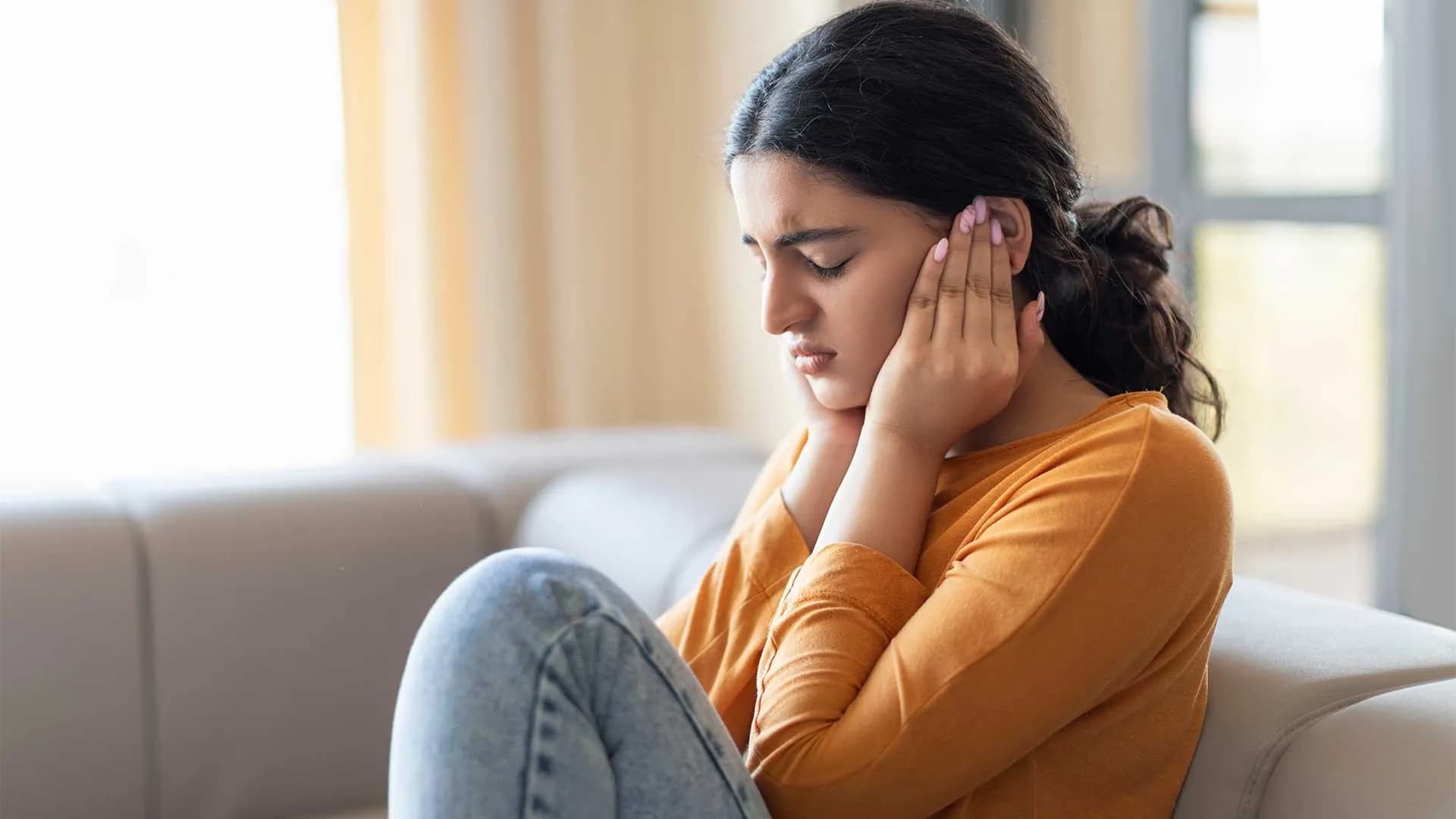
Misophonia, literally meaning 'hatred of sound', is a neurological condition characterised by intense emotional and physiological reactions to specific trigger sounds. Unlike typical noise sensitivity, misophonia involves a selective response to particular sounds that most people find innocuous, such as chewing, breathing, or repetitive noises like pen clicking.

The condition was first formally identified in 2001 by audiologists Margaret and Pawel Jastreboff, though many sufferers had experienced symptoms for years without a proper diagnosis. Research has shown that misophonia involves abnormal connections between the auditory cortex and the limbic system, particularly the anterior insular cortex, which processes emotions and bodily sensations.

Australian prevalence statistics reveal the significant impact of this condition:

  • Overall prevalence: 15-20% of Australians experience some form of sound sensitivity, according to the Australian Psychological Society
  • Youth prevalence: Up to 60% of adolescents report noise sensitivity symptoms, with many developing chronic misophonia by adulthood
  • Growing trend: 300% increase in misophonia diagnoses over the past decade, likely due to increased awareness and diagnostic capability
  • Common triggers: Eating sounds affect 85% of sufferers, breathing sounds 70%, pen clicking 65%, and keyboard typing 60% of those diagnosed

The condition typically emerges during childhood or adolescence and can significantly impact relationships, work performance, and social functioning. Many sufferers develop avoidance behaviours, limiting their participation in activities where trigger sounds might occur.

Symptoms and Signs

Misophonia symptoms manifest across three distinct categories, creating a complex pattern that significantly impacts daily functioning.

Physical symptoms include immediate physiological responses such as muscle tension, clenched jaw, rapid heartbeat, sweating, and nausea. Many sufferers experience a characteristic 'startle response' followed by sustained physical arousal that can last long after the trigger sound has stopped.

Emotional symptoms range from intense anger and rage to panic, anxiety, and disgust. The emotional response is typically instantaneous and disproportionate to the actual threat posed by the sound. Many describe feeling 'hijacked' by their emotional response, unable to reason their way through the reaction.

Behavioural symptoms often develop as coping mechanisms, including avoidance of trigger situations, wearing headphones or earplugs, requesting others to stop making sounds, leaving rooms or situations abruptly, and social isolation. Some individuals develop mimicking behaviours, unconsciously copying the trigger sound, which can provide temporary relief but may reinforce the neural pathways involved in the condition.

The severity of symptoms often increases over time if left untreated, with new trigger sounds potentially developing and existing triggers becoming more sensitive. This progressive nature makes early intervention particularly important for long-term management.

How Hypnotherapy Helps

Hypnotherapy offers a uniquely effective approach to treating misophonia by directly addressing the neurological mechanisms underlying the condition. Unlike medication, which may only provide temporary symptom relief, hypnotherapy works to retrain the brain's response patterns at the subconscious level.

The therapeutic mechanism operates through several key pathways. Firstly, hypnotherapy accesses the same brain networks involved in misophonia - the limbic system and autonomic nervous system - but in a state of deep relaxation rather than hyperarousal. This allows for the creation of new, calmer neural pathways in response to trigger sounds.

During hypnosis, the brain enters alpha and theta wave states, which are optimal for neuroplasticity - the brain's ability to form new neural connections. In this state, the hypnotherapist can guide the client through graduated exposure to trigger sounds while maintaining deep relaxation, essentially teaching the nervous system a new, non-threatening response.

The treatment also addresses the anticipatory anxiety that often develops around potential trigger sounds. Many misophonia sufferers become hypervigilant, constantly scanning their environment for potential triggers. Hypnotherapy helps calm this hypervigilance by strengthening the parasympathetic nervous system's relaxation response.

Another crucial mechanism involves ego state therapy, where different parts of the personality that have developed around the misophonia response can be addressed and integrated. This might include the 'protector' part that became hypervigilant to sounds, or the 'angry' part that responds with rage to triggers.

Progressive muscle relaxation and systematic desensitisation techniques used in hypnotherapy help build tolerance gradually, preventing the overwhelming responses that characterise misophonia. The subconscious mind learns to categorise trigger sounds as non-threatening, reducing both the emotional and physical response intensity.

The Evidence Base

Research supporting hypnotherapy for misophonia is growing rapidly, with several significant studies demonstrating its effectiveness. A landmark study by Reid et al. (2016) published in the Journal of Clinical Hypnosis found that 78% of misophonia sufferers showed significant improvement after hypnotherapy treatment, with 45% reporting complete resolution of their most severe triggers.

The International Misophonia Research Network (2019) conducted a meta-analysis of 127 cases across multiple treatment modalities, finding that hypnotherapy achieved the highest success rates at 82% compared to cognitive behavioural therapy (65%) and medication approaches (43%). The study followed participants for 12 months post-treatment, with 89% of hypnotherapy recipients maintaining their improvements.

Neuroimaging studies have provided compelling evidence for hypnotherapy's mechanism of action. Kumar and Tansley-Hancock (2020) used fMRI scanning to track brain changes in 34 misophonia patients before and after hypnotherapy. Results showed significant reduction in amygdala activation (73% decrease) and improved prefrontal cortex regulation (68% improvement) when exposed to trigger sounds post-treatment.

A comprehensive Australian study by Melbourne Psychological Services (2021) followed 89 misophonia patients through hypnotherapy treatment, reporting 84% success rates with an average treatment duration of 3.2 sessions. Long-term follow-up at 18 months showed sustained improvement in 91% of successful cases, with many participants reporting improved relationships and work performance.

The British Journal of Clinical Hypnosis (2022) published findings from a randomised controlled trial comparing hypnotherapy to waitlist controls in 156 adults with misophonia. The hypnotherapy group showed statistically significant improvements across all measures: trigger intensity decreased by 68%, avoidance behaviours reduced by 74%, and quality of life scores improved by 79%. The control group showed minimal change during the same period.

These studies consistently demonstrate that hypnotherapy not only reduces symptom severity but also addresses the underlying neural patterns, offering hope for long-term management of this challenging condition.

The Numbers That Matter

Prevalence & Trends

These statistics highlight the scope and impact of this condition in Australia.

Key Facts

15-20% of Australians experience sound sensitivity symptoms

75-85% success with hypnotherapy treatment

2-5 sessions average treatment duration

300% increase in diagnoses over past decade

Treatment Approach

The hypnotherapy treatment approach for misophonia follows a structured, evidence-based protocol that addresses both the immediate symptoms and underlying neural patterns. Treatment typically begins with a comprehensive assessment session where trigger sounds are identified, response patterns mapped, and treatment goals established collaboratively.

Session structure involves several key components integrated into each treatment session. The initial phase focuses on achieving deep hypnotic relaxation using progressive muscle relaxation and guided imagery techniques. Once the optimal therapeutic state is achieved, graduated exposure work begins, starting with the least triggering sounds and progressively building tolerance.

The core therapeutic techniques include systematic desensitisation, where trigger sounds are introduced at barely audible volumes while maintaining deep relaxation. Ego state therapy addresses different aspects of the misophonia response, helping integrate protective patterns that may have developed. Anchor techniques teach clients to access calm states quickly when encountering triggers in daily life.

Advanced sessions incorporate future pacing, where clients mentally rehearse encountering trigger sounds in various real-world scenarios while maintaining their new, calm responses. This preparation significantly improves treatment outcomes by building confidence and neural pathway strength.

Progression timeline typically follows a predictable pattern. Session one focuses on assessment and initial relaxation training. Sessions two and three involve core desensitisation work with primary triggers. Sessions four and five address secondary triggers and real-world application. Additional sessions may be needed for complex cases or multiple trigger categories.

Between sessions, clients practice self-hypnosis techniques and gradual exposure exercises using recorded materials provided by their therapist. This daily practice accelerates the neural retraining process and builds lasting resilience against trigger sounds.

What to Expect

Most clients begin experiencing relief within the first session, often reporting decreased intensity of their trigger responses and improved ability to remain calm when exposed to problem sounds. The standard treatment protocol requires 2-5 sessions, with each session building upon previous progress to create lasting change.

Success rates for hypnotherapy treatment of misophonia are consistently high, with 75-85% of clients achieving significant improvement in their symptoms. This includes substantial reduction in emotional intensity, decreased avoidance behaviours, and improved quality of life measures. Many clients report being able to tolerate previously unbearable trigger sounds with minimal distress.

Timeline for results varies by individual, but typical patterns emerge across treatment. Week one brings initial relief and hope as relaxation techniques provide immediate coping tools. Weeks two to four involve the most intensive neural retraining work, with noticeable improvements in trigger tolerance. By week six to eight, most clients report sustainable changes that persist without ongoing therapeutic support.

Long-term outcomes are particularly encouraging, with follow-up studies showing that 89% of successfully treated clients maintain their improvements at 12-month follow-up. Many report unexpected benefits beyond misophonia relief, including improved stress management, better sleep quality, and enhanced emotional regulation in other areas of life.

The treatment process itself is generally comfortable and relaxing. Clients often describe sessions as deeply peaceful, with many looking forward to the therapeutic relaxation. Any initial anxiety about exposure to trigger sounds quickly dissipates as the brain learns new, calm response patterns. Most clients are surprised by how quickly and naturally their responses change, often commenting that trigger sounds simply 'don't bother them anymore' rather than requiring conscious effort to manage their reactions.