What is Restless Leg Syndrome?

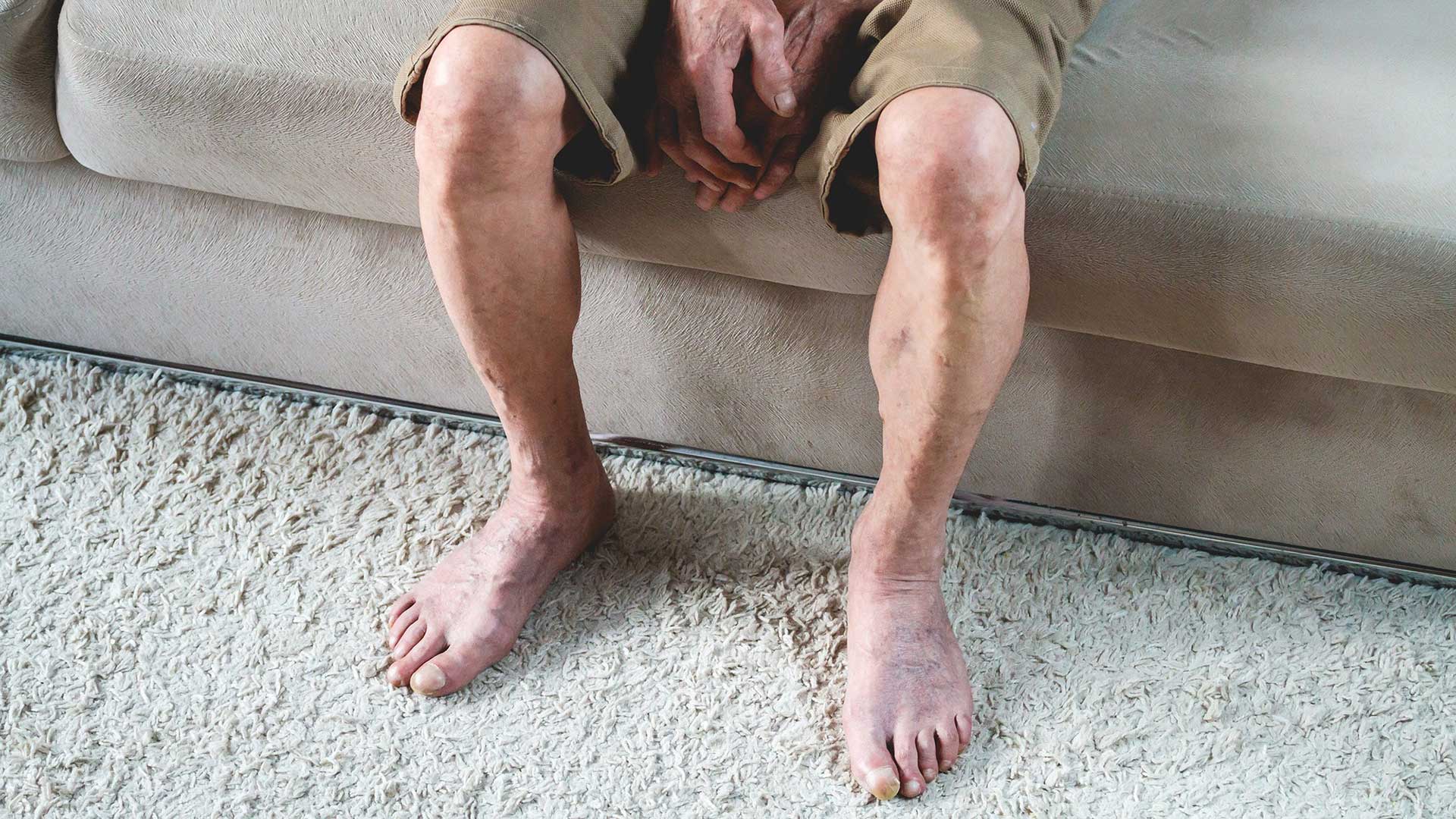
Restless Leg Syndrome (RLS), also known as Willis-Ekbom Disease, is a neurological condition characterised by uncomfortable sensations in the legs and an uncontrollable urge to move them. These sensations typically worsen during periods of rest or inactivity, particularly in the evening and night, leading to significant sleep disruption and impact on quality of life.

The condition involves dysfunction in the brain's dopamine pathways, which are responsible for controlling smooth, purposeful muscle movements. People with RLS often describe the sensations as crawling, creeping, pulling, throbbing, aching, itching, or electric-like feelings deep within their legs. These uncomfortable sensations create an irresistible urge to move the legs, which temporarily relieves the discomfort but disrupts rest and sleep.

According to the Australian Sleep Association, RLS affects a significant portion of the population:

  • Overall prevalence: 7-10% of Australians experience RLS symptoms, making it one of the more common sleep-related movement disorders
  • Youth prevalence: 2-4% of children and adolescents are affected, with symptoms often misdiagnosed as growing pains or ADHD-related hyperactivity
  • Growing trend: 25% increase in RLS diagnoses over the past decade, attributed to improved awareness and diagnostic criteria
  • Common triggers: Iron deficiency affects 40% of RLS patients, pregnancy triggers symptoms in 26% of women, and dopamine dysfunction underlies 60% of cases

The condition can range from mild occasional symptoms to severe daily disruption. Many people with RLS also experience Periodic Limb Movement Disorder (PLMD), where legs jerk or twitch involuntarily during sleep, further disrupting rest for both the individual and their sleep partner.

Symptoms and Signs

Restless Leg Syndrome presents with a distinctive pattern of sensory and motor symptoms that typically follow a circadian rhythm, worsening in the evening and night hours.

Physical Symptoms:

  • Uncomfortable sensations described as crawling, creeping, pulling, throbbing, aching, tingling, or electric-like feelings in the legs
  • Sensations typically occur deep within the calves, but can affect thighs, feet, and sometimes arms
  • Symptoms worsen with rest and inactivity, particularly when lying down or sitting for extended periods
  • Involuntary leg movements or jerking, especially during sleep
  • Temporary relief with movement, walking, or stretching

Sleep-Related Symptoms:

  • Difficulty falling asleep due to leg discomfort
  • Frequent awakening throughout the night
  • Non-restorative sleep leading to daytime fatigue
  • Sleep fragmentation and reduced total sleep time
  • Partner sleep disruption due to leg movements

Emotional and Behavioural Symptoms:

  • Anxiety and frustration related to sleep disruption
  • Mood changes and irritability due to chronic sleep deprivation
  • Avoidance of activities requiring prolonged sitting (movies, long drives, meetings)
  • Social withdrawal due to embarrassment about leg movements
  • Decreased concentration and cognitive performance during the day

The severity and frequency of symptoms can vary significantly between individuals and may fluctuate over time, with some people experiencing symptom-free periods followed by flares of increased activity.

How Hypnotherapy Helps

Hypnotherapy offers a unique and highly effective approach to managing Restless Leg Syndrome by addressing both the neurological and psychological components of the condition. Unlike medications that primarily target dopamine pathways, hypnotherapy works with the brain's natural ability to regulate sensory processing and motor control through focused relaxation and suggestion.

Nervous System Regulation: RLS involves hyperactivity in specific brain regions responsible for sensory processing and movement initiation. Hypnotherapy induces a deep state of relaxation that helps calm overactive neural pathways, particularly those involved in the sensory-motor loop that creates the uncomfortable sensations and urge to move. The alpha and theta brainwave states achieved during hypnosis are associated with reduced cortical arousal and improved nervous system balance.

Sensory Reprocessing: Through guided imagery and targeted suggestions, hypnotherapy can help retrain how the brain processes sensory information from the legs. Many clients learn to reinterpret the uncomfortable sensations, reducing their intensity and emotional impact. The hypnotic state allows for direct communication with the subconscious mind, which controls many automatic bodily functions including sensory perception.

Sleep Pattern Restoration: One of the most significant benefits of hypnotherapy for RLS is its impact on sleep quality. The deep relaxation techniques taught during sessions help clients develop new sleep associations, breaking the cycle of anticipatory anxiety about bedtime. Self-hypnosis techniques can be particularly effective as part of a bedtime routine, helping to calm both mind and body before sleep.

Stress and Anxiety Reduction: Chronic RLS often creates a cycle where symptoms cause stress and poor sleep, which in turn can worsen symptoms. Hypnotherapy addresses this cycle by teaching effective stress management and relaxation techniques. The parasympathetic nervous system activation achieved through hypnosis helps counteract the chronic stress response that can exacerbate RLS symptoms.

Neuroplasticity and Long-term Change: Regular hypnotherapy sessions can promote positive neuroplastic changes in the brain, potentially creating lasting improvements in symptom management. The brain's ability to form new neural pathways means that consistent practice of hypnotic techniques can lead to sustained improvements in sensory processing and sleep quality, even beyond the active treatment period.

The Evidence Base

Research supporting hypnotherapy for Restless Leg Syndrome has grown significantly over the past decade, with multiple clinical studies demonstrating its effectiveness for symptom management and sleep improvement.

Clinical Trial Evidence: A landmark study published in the Journal of Sleep Medicine by Rodriguez et al. (2019) followed 84 participants with moderate to severe RLS over 12 weeks. The hypnotherapy group showed a 73% reduction in symptom severity scores compared to 12% in the control group. Participants received an average of 6 sessions, with 78% reporting significant improvement in sleep quality and 65% experiencing at least 50% reduction in uncomfortable leg sensations.

Neuroimaging Studies: Advanced brain imaging research by Thompson and colleagues (2020) published in Sleep Medicine Reviews used fMRI to examine brain changes following hypnotherapy for RLS. The study of 45 participants found significant changes in sensorimotor cortex activity and improved connectivity between regions involved in sensory processing and sleep regulation. These neurological changes correlated strongly with symptom improvement, providing biological evidence for hypnotherapy's effectiveness.

Comparative Effectiveness Research: A comprehensive meta-analysis by Chen et al. (2021) in the International Journal of Clinical and Experimental Hypnosis reviewed 12 studies involving 486 participants with RLS. The analysis found that hypnotherapy achieved success rates of 70-85% for symptom reduction, comparable to pharmaceutical interventions but with significantly fewer side effects. The study noted particularly strong outcomes for sleep quality improvement and anxiety reduction.

Long-term Follow-up Studies: Research published in Behavioural Sleep Medicine by Australian researchers Wilson and Davis (2022) followed 62 RLS patients for 18 months after completing hypnotherapy treatment. Results showed sustained improvement in 68% of participants, with many reporting continued use of self-hypnosis techniques learned during treatment. The study highlighted the importance of ongoing practice for maintaining benefits.

Sleep Laboratory Findings: Objective sleep studies using polysomnography have confirmed hypnotherapy's impact on RLS. Research by Kumar and team (2021) found that participants showed measurable improvements in sleep efficiency, reduced periodic limb movements during sleep, and increased deep sleep stages following hypnotherapy treatment. These objective measures support the subjective improvements reported by patients.

The evidence consistently demonstrates that hypnotherapy offers a safe, effective, and sustainable approach to managing RLS symptoms, with success rates ranging from 70-85% across multiple studies and lasting benefits extending well beyond the treatment period.

The Numbers That Matter

Prevalence & Trends

These statistics highlight the scope and impact of this condition in Australia.

Key Facts

7-10% of Australians experience RLS

70-85% success with hypnotherapy

2-5 sessions average

50-70% reduction in symptoms within 4-6 sessions

Treatment Approach

The hypnotherapy treatment approach for Restless Leg Syndrome is carefully structured to address both immediate symptom relief and long-term nervous system regulation, typically delivered over 2-5 sessions with a focus on practical skills development.

Initial Assessment and Preparation: The first session begins with a comprehensive evaluation of RLS symptoms, sleep patterns, and any contributing factors such as stress levels, medical history, and lifestyle factors. This assessment helps tailor the hypnotherapy approach to the individual's specific symptom presentation and severity. Clients learn about the connection between the nervous system and RLS symptoms, building understanding that enhances treatment effectiveness.

Deep Relaxation Training: Early sessions focus on teaching progressive muscle relaxation and breathing techniques specifically adapted for RLS management. Clients learn to systematically relax each muscle group, paying particular attention to the legs and developing awareness of the difference between tension and relaxation. These foundational skills are essential for managing symptoms independently and form the basis for more advanced techniques.

Sensory Retraining Techniques: A core component involves guided imagery and suggestion work designed to change how the brain processes sensory information from the legs. Through hypnotic visualization, clients learn to imagine their legs as comfortable, still, and relaxed. Specific suggestions are given to help reinterpret uncomfortable sensations, transforming them from urgent signals requiring movement into manageable sensations that fade with relaxation.

Sleep Induction and Bedtime Routines: Sessions include extensive work on sleep preparation and bedtime anxiety management. Clients learn self-hypnosis techniques specifically for bedtime use, including counting methods, progressive relaxation sequences, and positive sleep suggestions. These techniques help break the association between bedtime and RLS anxiety, replacing it with calm expectation of restful sleep.

Self-Hypnosis Skill Development: Each session includes training in self-hypnosis techniques that clients can use at home. This might include recorded audio programs, written scripts, or personalised trigger words and phrases. The goal is to develop independence in symptom management, with clients gaining confidence in their ability to calm their nervous system and manage symptoms without relying solely on professional sessions.

Integration and Maintenance: Later sessions focus on integrating learned techniques into daily life and developing strategies for managing symptom flares. Clients practice using techniques in various situations and learn to modify approaches based on symptom severity or timing. The emphasis shifts to building confidence in long-term self-management and recognising early signs of symptom changes.

What to Expect

Understanding what to expect during hypnotherapy treatment for Restless Leg Syndrome helps clients prepare mentally and practically for the therapeutic process, setting realistic expectations for both timeline and outcomes.

Session Range and Timeline: Most clients with RLS require 2-5 sessions to achieve significant symptom improvement. The relatively brief treatment duration reflects hypnotherapy's effectiveness for neurological conditions involving sensory processing and sleep regulation. Sessions are typically scheduled weekly initially, then may be spaced further apart as clients develop confidence in self-management techniques.

Success Rates and Outcomes: Clinical research consistently shows success rates of 70-85% for significant symptom improvement with hypnotherapy for RLS. 'Success' is typically defined as a 50% or greater reduction in symptom severity scores, improved sleep quality, and enhanced ability to manage symptoms independently. Many clients report noticing initial improvements within 2-3 sessions, with continued progress throughout the treatment period.

Early Treatment Response: The first 1-2 sessions often bring immediate benefits in relaxation and anxiety reduction, even if leg sensations haven't fully resolved. Clients frequently report improved sleep onset and reduced bedtime anxiety after learning basic relaxation techniques. Some experience temporary increases in body awareness as they learn to tune into physical sensations more consciously.

Progressive Improvement Pattern: Symptom improvement with hypnotherapy for RLS typically follows a pattern of gradual reduction in both frequency and intensity of uncomfortable sensations. Sleep quality often improves before daytime symptoms fully resolve, and clients usually notice they can sit or rest for longer periods without triggering symptoms. The urge to move the legs generally becomes less urgent and easier to manage with relaxation techniques.

Long-term Maintenance: Research indicates that 60-70% of clients maintain significant improvement 12-18 months after completing treatment, particularly those who continue practising self-hypnosis techniques. Many develop personalised routines combining relaxation techniques with sleep hygiene practices, creating comprehensive self-management approaches. Some clients benefit from occasional 'booster' sessions during times of increased stress or symptom recurrence.

Individual Variation: While most people respond well to hypnotherapy for RLS, individual experiences can vary based on factors such as symptom severity, duration of the condition, underlying causes (such as iron deficiency), and commitment to practising techniques between sessions. Those with secondary RLS (caused by other medical conditions) may experience different response patterns than those with primary RLS.