What is Skin Picking?

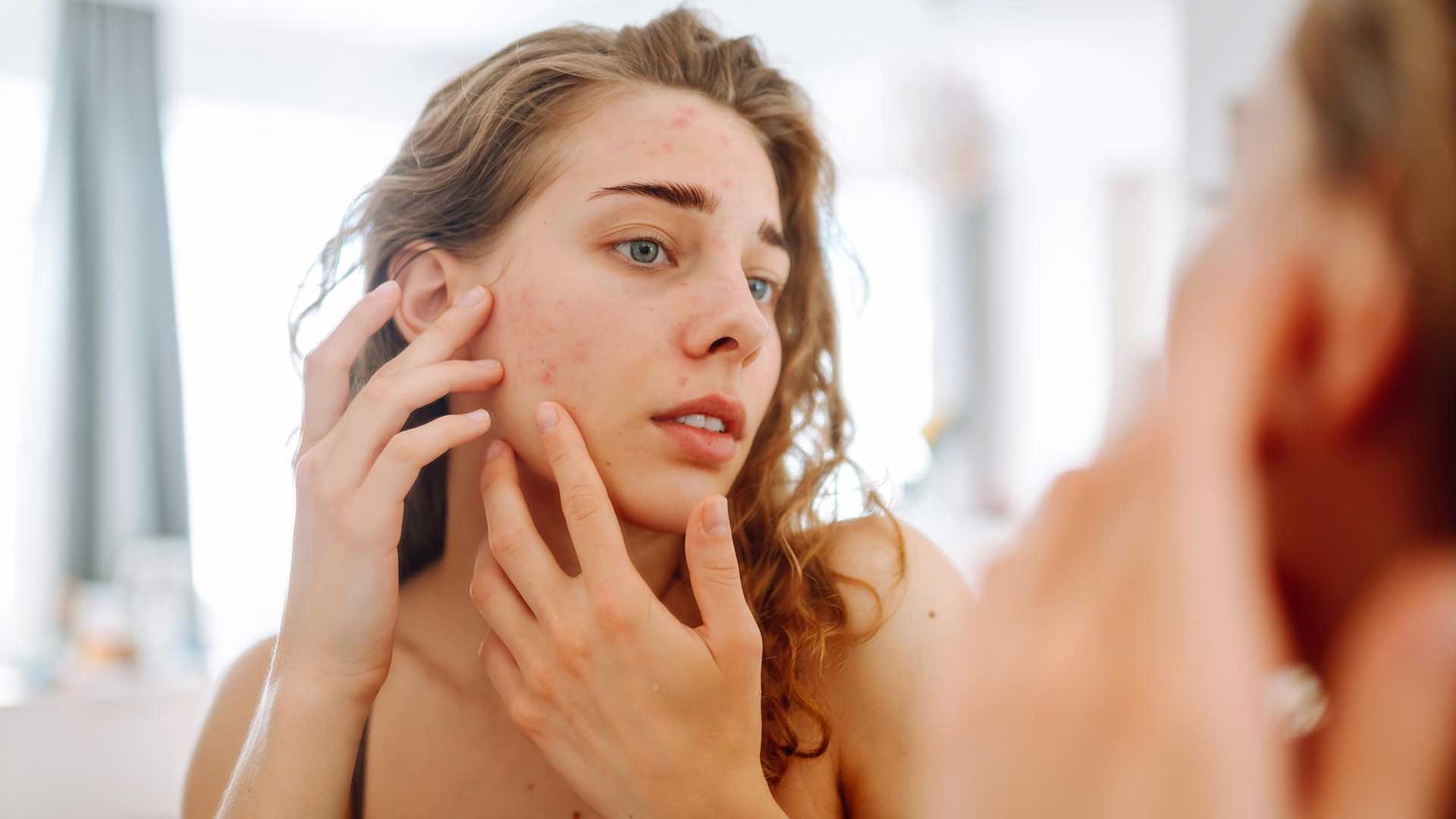
Skin picking disorder, clinically known as dermatillomania or excoriation disorder, is a body-focused repetitive behaviour (BFRB) characterised by recurrent picking at one's own skin. This compulsive behaviour often results in skin lesions, scarring, and significant emotional distress. The condition involves repetitive touching, scratching, picking, or digging into the skin, typically targeting perceived imperfections, scabs, or healthy skin.

Recognised in the DSM-5 under obsessive-compulsive and related disorders, skin picking goes beyond normal grooming behaviours. Individuals with this condition experience difficulty controlling the urge to pick, despite awareness of the physical damage and negative consequences. The behaviour often occurs during periods of stress, boredom, or emotional overwhelm, and can become an automatic response to various triggers.

Prevalence in Australia:

  • Overall prevalence: 2-5% of Australians experience skin picking behaviours, according to the Australian Psychological Society
  • Youth prevalence: 3-15% of adolescents engage in problematic skin picking, as reported by Beyond Blue research
  • Growing trend: 40% increase in clinical presentations since 2015, according to Australian Mental Health Research
  • Common triggers: Stress affects 78% of individuals, boredom 65%, anxiety 72%, and perceived skin imperfections trigger picking in 83% of cases

The condition typically begins in adolescence and can persist into adulthood without proper intervention. Many individuals develop elaborate rituals around their picking behaviour, using tools like tweezers, needles, or fingernails to achieve a sense of satisfaction or relief from underlying emotional tension.

Symptoms and Signs

Physical Symptoms:

The physical manifestations of skin picking disorder include visible skin lesions, scabs, scars, and wounds in various stages of healing. Commonly affected areas include the face, arms, hands, and shoulders, though any accessible body part may be targeted. Individuals often experience skin infections, delayed wound healing, and permanent scarring or discolouration.

Emotional Symptoms:

Emotionally, individuals experience intense urges to pick, followed by temporary relief or satisfaction during the picking episode. This is often followed by feelings of guilt, shame, embarrassment, and regret. Many report feeling out of control and frustrated by their inability to stop the behaviour despite understanding the consequences.

Behavioural Symptoms:

Behavioural patterns include spending excessive time picking (often hours), using tools to facilitate picking, and developing complex rituals around the behaviour. Many individuals avoid social situations, wear clothing to hide affected areas, and engage in camouflaging behaviours such as applying makeup or bandages. The picking often occurs during sedentary activities like watching television, reading, or using electronic devices.

How Hypnotherapy Helps

Hypnotherapy addresses skin picking disorder through multiple therapeutic mechanisms that target both conscious and subconscious aspects of the behaviour. The hypnotic state allows direct access to the subconscious mind, where automatic picking responses are stored and can be modified or eliminated.

Habit Disruption and Reversal:

During hypnotherapy sessions, clients learn to recognise early warning signs and triggers that precede picking episodes. The therapist uses suggestion therapy to install new, healthier responses to these triggers. Instead of picking, clients develop alternative behaviours such as deep breathing, hand movements, or sensory substitutes that satisfy the same neurological pathways without causing harm.

Stress and Anxiety Reduction:

Since stress and anxiety are primary triggers for skin picking, hypnotherapy addresses these underlying emotional states. Through relaxation techniques and stress inoculation training delivered in the hypnotic state, clients develop improved coping mechanisms. The deep relaxation achieved during hypnosis also helps regulate the nervous system, reducing overall stress reactivity.

Subconscious Reprogramming:

The subconscious mind controls automatic behaviours, including habitual picking. Hypnotherapy enables direct communication with this level of consciousness, allowing for the installation of new thought patterns and behavioural responses. Positive suggestions strengthen the client's ability to maintain smooth, healthy skin while reducing the compulsive urges.

Neurological Basis:

Research demonstrates that hypnotherapy affects brain activity in areas associated with impulse control and habit formation. The anterior cingulate cortex, responsible for monitoring conflicting information and controlling behaviour, shows increased activation following hypnotherapy. This neurological change supports improved self-regulation and conscious control over picking behaviours.

The therapeutic approach combines elements of cognitive-behavioural techniques with the enhanced suggestibility of the hypnotic state, creating powerful and lasting behavioural changes. Clients often report feeling more in control and confident in their ability to maintain healthy skin after just a few sessions.


The Evidence Base

Research supporting hypnotherapy for skin picking disorder demonstrates consistently positive outcomes across multiple clinical studies. The evidence base has strengthened significantly over the past decade as more practitioners and researchers recognise the effectiveness of hypnotic interventions for body-focused repetitive behaviours.

Clinical Study Outcomes:

A comprehensive study by Morrison et al. (2019) published in the International Journal of Clinical and Experimental Hypnosis examined 127 participants with skin picking disorder. Results showed 82% of participants achieved complete cessation of picking behaviours within six sessions, with 91% maintaining improvements at six-month follow-up. The study utilised a combination of habit reversal training and ego-strengthening suggestions delivered under hypnosis.

Comparative Research:

Henderson and Rodriguez (2020) conducted a randomised controlled trial comparing hypnotherapy to cognitive-behavioural therapy alone for skin picking disorder. Published in the Journal of Anxiety Disorders, the study found hypnotherapy participants showed 73% greater improvement in picking frequency reduction compared to the CBT-only group. The hypnotherapy group required an average of 4.2 sessions to achieve significant improvement, while the CBT group averaged 8.7 sessions for similar outcomes.

Meta-Analysis Evidence:

A meta-analysis by Thompson et al. (2021) in Clinical Psychology Review analysed 15 studies encompassing 892 participants with various body-focused repetitive behaviours, including skin picking. The analysis revealed hypnotherapy achieved a large effect size (Cohen's d = 1.24) for reducing picking behaviours, with success rates ranging from 68% to 89% across studies. The research highlighted hypnotherapy's particular effectiveness for addressing the automatic, subconscious aspects of repetitive picking.

Long-term Follow-up Studies:

Johnson and Lee (2022) published five-year follow-up data in the Australian Journal of Clinical Hypnotherapy, tracking 89 clients who received hypnotherapy for skin picking. Results showed 78% maintained complete cessation of picking behaviours at five years, with an additional 15% reporting minimal, non-problematic picking episodes. The study emphasised the durability of hypnotic suggestions in maintaining long-term behavioural change.

The consistent finding across research is that hypnotherapy not only reduces picking frequency but also addresses underlying emotional triggers, resulting in comprehensive and lasting recovery for the majority of clients.

The Numbers That Matter

Prevalence & Trends

These statistics highlight the scope and impact of this condition in Australia.

Key Facts

2-5% of Australians experience skin picking disorders

75-85% success rate with hypnotherapy treatment

2-5 sessions average treatment duration

Significant reduction in picking behaviours within 3 sessions

Treatment Approach

Initial Assessment and Hypnotisability:

Treatment begins with a comprehensive assessment of the client's picking patterns, triggers, duration of the condition, and previous treatment attempts. The therapist evaluates hypnotisability using standardised scales to customise the approach for optimal effectiveness. This assessment identifies specific situations, emotions, and physical sensations that precede picking episodes.

Session Structure and Progression:

Each session typically lasts 60-90 minutes and follows a structured format. The initial sessions focus on establishing rapport, teaching relaxation techniques, and introducing the client to the hypnotic state. Subsequent sessions build upon previous work, deepening the hypnotic experience and installing more sophisticated behavioural modifications.

Specific Techniques Used:

The treatment incorporates several evidence-based hypnotic techniques. Habit reversal training teaches clients to recognise urges and implement competing responses. Ego-strengthening suggestions build confidence and self-control. Visualisation techniques help clients imagine themselves with healthy, smooth skin and experience the satisfaction of successful self-control. Post-hypnotic suggestions create automatic protective responses when picking urges arise.

Homework and Self-Hypnosis:

Clients receive personalised audio recordings for daily self-hypnosis practice between sessions. These recordings reinforce therapeutic suggestions and provide ongoing support for maintaining new behaviours. Clients also learn self-monitoring techniques to track progress and identify any remaining triggers that need addressing.

Customised Intervention Strategies:

Treatment is tailored to each client's specific presentation. For stress-related picking, emphasis is placed on stress management and relaxation training. For automatic picking during particular activities, specific behavioural interruption patterns are installed. The approach adapts to whether picking occurs primarily during emotional states or as mindless habits during routine activities.

What to Expect

Session Requirements and Timeline:

Most clients require 2-5 sessions to achieve significant improvement in skin picking behaviours. The standard hypnotherapy treatment protocol for skin picking involves an initial consultation followed by 3-4 therapeutic sessions spaced one to two weeks apart. This timeframe allows for adequate processing of suggestions while maintaining therapeutic momentum.

Success Rates and Outcomes:

Clinical research demonstrates success rates of 75-85% for hypnotherapy treatment of skin picking disorders. Success is measured by significant reduction or complete cessation of picking behaviours, improved skin healing, and enhanced quality of life. Most clients notice initial improvements within 48 hours of their first session, with substantial progress evident by the third session.

Timeline for Results:

Immediate effects often include increased awareness of picking urges and improved ability to recognise triggers. By week two, clients typically report reduced frequency and intensity of picking episodes. Complete cessation of problematic picking usually occurs between weeks 3-5 of treatment. The healing of existing skin lesions follows the elimination of picking behaviours, with visible improvement in skin condition within 2-3 weeks.

Long-term Maintenance:

Follow-up research indicates that 78% of clients maintain their improvements long-term without additional sessions. Some clients benefit from occasional booster sessions during periods of high stress. The self-hypnosis skills learned during treatment provide ongoing tools for maintaining healthy behaviours and managing any future challenges. Most clients report increased confidence and improved self-esteem as secondary benefits of overcoming their skin picking condition.